
Istanbul City Guide: Essential Sights, Ferry Routes, and Cultural Etiquette for Travelers
Planning a first visit to Istanbul can feel overwhelming. The city stretches across two continents, its headline sights are world-famous, and even simple choices like where to stay or which ferry to take can shape your whole trip. This Istanbul city guide is designed to help cultural travelers focus on what matters most: the essential landmarks, the most useful ferry routes, and the etiquette that helps you move through the city respectfully and confidently.
Instead of trying to do everything, think of Istanbul as a city best explored in layers. You might spend one morning among imperial mosques and palaces, one afternoon crossing the Bosphorus by ferry, and one evening in a neighborhood where locals gather for tea, meze, and long conversations. With a little planning, the city becomes much easier to navigate.
Key Takeaways
- Base your sightseeing around a few key zones, especially Sultanahmet, Beyoğlu, and Kadıköy.
- Public ferries are one of the best ways to experience Istanbul while also getting around efficiently.
- Dress modestly for mosque visits and pay attention to prayer times and local customs.
- Choose your pace carefully, as major sights are rewarding but can be crowded and time-consuming.
- Balance famous landmarks with neighborhood time to experience Istanbul beyond the checklist.
Must-See Sights in Istanbul
Sultanahmet for the classic first-time experience
If you want the core historical experience, start in Sultanahmet. This area brings together some of the city’s most important landmarks within walking distance, making it ideal for your first full day.
Prioritize Hagia Sophia, the Blue Mosque, and Topkapı Palace. These sites reveal different layers of Istanbul’s history, from Byzantine grandeur to Ottoman court life. If you have limited time, it is better to see fewer places well than rush through all of them.
Nearby, the Basilica Cistern adds a different mood entirely. It is cooler, darker, and more atmospheric than the open plazas above ground, so it works well as a break in the middle of a busy sightseeing day.
Markets, towers, and neighborhood views
After the major monuments, shift to places that show the city’s everyday energy. The Grand Bazaar and Spice Bazaar are not just shopping stops; they are part of Istanbul’s trading history and still offer a strong sense of place.
For skyline views, Galata Tower and the surrounding streets in Beyoğlu are worth your time. This district feels different from Sultanahmet, with steeper lanes, more cafes, and a mix of historic and contemporary city life.
If you want inspiration for adding neighborhoods beyond the main tourist core, this Istanbul bucket list and travel guide highlights areas such as Kadıköy on the Asian side.
Quick Tip: Visit major landmarks early in the morning when possible. You will usually get cooler temperatures, shorter lines, and a calmer atmosphere for photos and quiet observation.
How to Plan Your Sightseeing by Area
Best areas to group together
Istanbul becomes much easier when you organize your days by district instead of zigzagging across the city. Traffic can be slow, and even short distances on a map can take longer than expected.
| Area | Best for | Typical pace |
|---|---|---|
| Sultanahmet | Historic monuments and first-time highlights | Full day |
| Beyoğlu and Galata | Views, cafes, shopping streets, urban atmosphere | Half to full day |
| Kadıköy | Local food, markets, neighborhood life | Half to full day |
| Üsküdar | Mosques, waterfront walks, Bosphorus views | Half day |
How many sights to schedule in one day
A practical rule is to plan one major attraction, one secondary stop, and one open-ended neighborhood experience. For example, you could pair Topkapı Palace with the Basilica Cistern and then leave time for an unhurried walk or meal.
This approach gives you room for prayer-time closures, queues, ferry delays, and simple travel fatigue. Istanbul rewards flexibility far more than rigid scheduling.
Ferry Routes Worth Taking
Why ferries are part of the experience
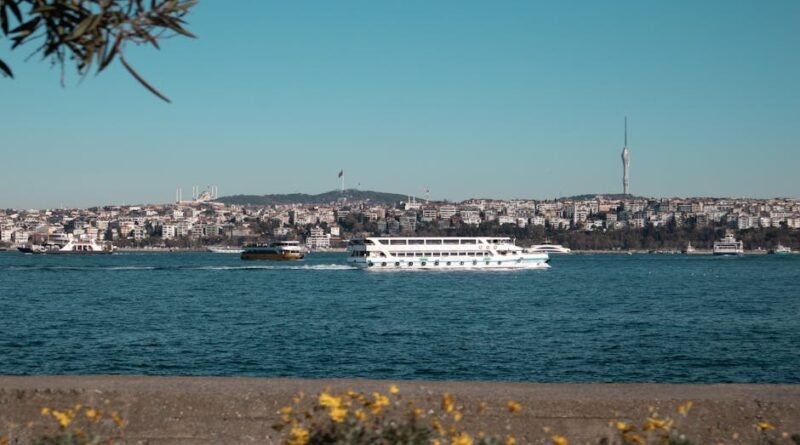
In any good Istanbul city guide, ferries deserve more than a passing mention. They are not just transport. They are one of the simplest and most affordable ways to understand the city’s geography, watch daily life unfold, and enjoy sweeping views of mosques, palaces, and waterfront neighborhoods.
If you are deciding between a road journey and a ferry crossing, the ferry is often the better cultural experience. You will see commuters, students, families, and vendors sharing the same route while the city opens around you from the water.
Most useful ferry connections for visitors
For many travelers, the most helpful routes are the ones linking the European and Asian sides. Popular choices include Eminönü or Karaköy to Kadıköy, and Eminönü or Beşiktaş to Üsküdar.
Kadıköy is a good choice if you want markets, casual dining, and a more local rhythm. Üsküdar is better if you want a calmer waterfront atmosphere and striking views back toward the historic peninsula.
Travelers looking for broader practical advice can also browse these Istanbul travel tips for first-time visitors, which cover logistics and cultural considerations.
When to choose a ferry over a cruise
If your goal is everyday city life, choose the regular public ferry. If your goal is a more leisurely sightseeing experience with commentary or a set route, a dedicated Bosphorus cruise may appeal more.
For many cultural travelers, public ferries offer the better balance of authenticity, flexibility, and cost. You can still get excellent views without turning the ride into a separate tour product.
Cultural Etiquette Visitors Should Know
Mosque etiquette and dress
Istanbul’s mosques are active places of worship, not just monuments. Dress modestly, keep your voice low, and avoid entering prayer areas during active worship unless visitors are clearly permitted.
Shoes usually need to be removed before entering carpeted prayer spaces. Carrying a small bag for your shoes can make visits more convenient. Clothing that covers shoulders and knees is the safest choice for both men and women.
Respectful behavior in public settings
Politeness matters in small interactions. Greet people, be patient in queues, and ask before photographing individuals, especially in religious or market settings.
In busy bazaars and tourist zones, bargaining may happen, but it should stay friendly rather than confrontational. A calm refusal is usually enough if you are not interested.
For a broader overview of what to expect at major attractions, travelers often check current visitor impressions on pages such as Tripadvisor’s Istanbul attractions guide.
Quick Tip: Keep a lightweight scarf or extra layer in your day bag. It is useful for mosque visits, breezy ferry rides, and sudden weather changes.
Where to Spend Time Beyond the Checklist
Kadıköy for food and local rhythm
If your schedule allows, spend at least one half-day in Kadıköy. This district is especially rewarding for travelers who enjoy food culture, bookstores, street life, and a less formal atmosphere than the historic center.
It is a good place to slow down after museum-heavy days. Wander the market streets, stop for tea, and leave room for a long lunch instead of trying to pack in more monuments.
Üsküdar and waterfront perspectives
Üsküdar offers a different emotional tone. The waterfront views are broad and calm, and the district often feels less hurried than central tourist areas.
It is also one of the best places to appreciate how Istanbul’s identity is shaped by the Bosphorus. Even a short walk here can reset the pace of your trip.
Practical Tips for a Smoother Visit
Timing, footwear, and daily rhythm
Wear comfortable shoes with good grip. Istanbul’s streets include hills, tram tracks, uneven paving, and long walking days, especially if you move between historic areas and ferry piers.
Start early, rest in the afternoon if needed, and save scenic neighborhoods or waterfront areas for later in the day. This rhythm works well because the city can be intense at midday, especially around major sights.
How to avoid common planning mistakes
The biggest mistake is overcommitting. Trying to see the entire city in two or three days usually leads to more transit time, more stress, and less real engagement with the places you came to experience.
A better strategy is to choose your essentials, add one ferry crossing, and leave room for spontaneous discoveries. That is often when Istanbul feels most memorable.
This Istanbul city guide works best when you use it as a framework rather than a strict checklist. See the icons, ride the ferries, learn the etiquette, and then let the city reveal itself one neighborhood at a time.