
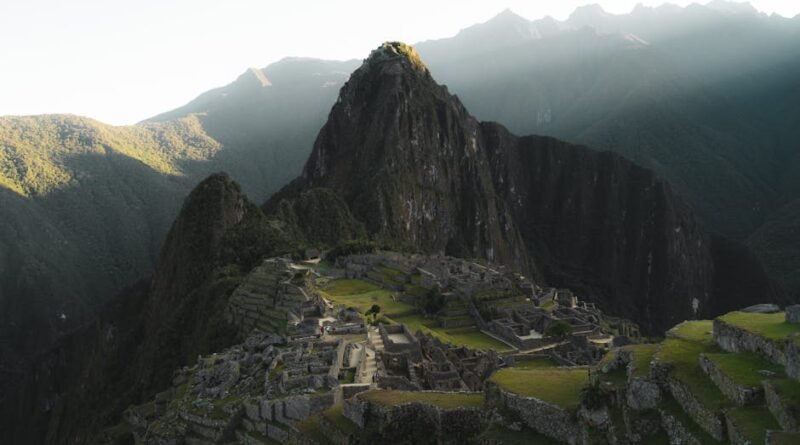
Machu Picchu Tours from Cusco: Comparing Train and Hiking Options
Choosing between train and hiking options can make planning feel harder than the trip itself. Many travelers looking at Machu Picchu tours from Cusco are trying to balance time, budget, fitness, comfort, and the kind of experience they actually want. The good news is that there is no single “best” way to go—there is only the option that fits your travel style.
Some visitors want a smooth day trip with scenic rail views and minimal physical effort. Others want the reward of reaching Machu Picchu on foot after a multi-day trek. This guide breaks down the main choices from Cusco, what each one involves, and how to decide with fewer surprises.
Key Takeaways
- Train tours are best for travelers who want comfort, limited hiking, and a faster way to reach Machu Picchu from Cusco.
- Hiking tours offer a more immersive adventure, but they require more time, stronger fitness, and earlier planning.
- The Inca Trail is iconic, but it must be done with an authorized operator and usually needs advance booking.
- Your ideal option depends on four things: available time, budget, altitude readiness, and how active you want the trip to be.
- Booking entrance tickets, train seats, and trek permits early is often the difference between getting your preferred route or settling for a backup plan.
What Machu Picchu tours from Cusco usually include
Most tours start in Cusco and combine several transport steps rather than one direct journey. Depending on the package, you may have hotel pickup, transfer to a train station, train to Aguas Calientes, shuttle bus up to the site, entrance ticket, and a guided visit.
Hiking tours are different. They usually bundle permits, guide services, meals, camping or lodge logistics, and the final entry to Machu Picchu. The more remote or regulated the trek, the more important it is to book with a reliable operator.
Typical train-based itinerary
A standard train trip usually involves an early departure from Cusco, then a transfer to Ollantaytambo or another rail point. From there, you take the train to Aguas Calientes and continue by shuttle bus or on foot up to the entrance.
This is the simplest option for travelers who want to see Machu Picchu without committing to a trek. It also works well for couples, families, and visitors with limited time.
Typical hiking itinerary
Hiking tours range from one-day routes to multi-day treks. These can include the classic Inca Trail or alternative routes that focus more on mountain scenery and cultural stops before ending at Machu Picchu.
Quick Tip: If you have just arrived in Cusco, give yourself time to adjust to the altitude before doing any demanding hike.
Train tours: the easiest way to visit Machu Picchu
For many travelers, the train is the most practical choice. It reduces physical strain, simplifies logistics, and still gives you dramatic Andean scenery along the way.
Train-based Machu Picchu tours from Cusco are especially useful if your trip to Peru is short. You can choose a long day trip or an overnight version, with the overnight option usually feeling less rushed.
Who train tours are best for
- Travelers short on time
- Visitors who prefer comfort over challenge
- Families with mixed fitness levels
- People who want guided support without camping or trekking
- Anyone concerned about long high-altitude hikes
Main pros and cons of going by train
The biggest advantage is convenience. You avoid carrying trekking gear, sleeping outdoors, and spending several days on the trail.
The trade-off is that the journey can feel more structured and less adventurous. Popular train departures also book up quickly, and a same-day return from Cusco can be a very long day.
| Option | Best for | Main advantage | Main drawback |
|---|---|---|---|
| Day tour by train | Short trips | Fastest way to visit | Long, tiring day |
| Overnight train trip | Balanced comfort | Less rushed schedule | Higher total cost |
| Multi-day trek | Adventure travelers | More immersive experience | More effort and planning |
If you want a traveler-focused overview of route styles and logistics, this guide to ways to experience Machu Picchu gives useful context on trains, tours, and treks.
Hiking options from Cusco: what changes when you go on foot
Hiking to Machu Picchu is less about transportation and more about the journey itself. You are paying for the trail experience, not just the final destination.
That means your decision should be based on how much you value scenery, physical challenge, group dynamics, and the sense of arrival. For some travelers, walking into the Machu Picchu area feels far more memorable than arriving by train.
Inca Trail
The Inca Trail is the best-known route and the one many travelers dream about. It is regulated, permit-based, and typically completed with a licensed operator over several days.
One important practical point: you cannot hike the Inca Trail independently. This overview of whether to hike to Machu Picchu or take the train highlights that the trail must be done with an authorized group, which matters when comparing flexibility.
Alternative treks
Alternative routes appeal to travelers who want a trek without needing the classic Inca Trail permit. These routes can include different mountain landscapes, local villages, and varied accommodation styles.
They are often a better fit if the Inca Trail is sold out or if you want a route that focuses more on hiking than on one famous path. The final approach to Machu Picchu usually still involves rail or road connections at some stage, depending on the itinerary.
Who hiking tours are best for
- Travelers who enjoy active, multi-day experiences
- People with enough time to acclimatize first
- Visitors who value the journey as much as the site
- Those comfortable with basic outdoor conditions or longer walking days
How to choose between train and hiking options
The easiest way to decide is to think in terms of trade-offs rather than ideals. Most travelers are choosing between convenience and immersion, not right and wrong.
Choose the train if…
- You have one or two days available
- You want a lower-effort visit
- You are traveling with children, older relatives, or mixed fitness levels
- You would rather spend money on comfort than on trekking logistics
Choose a hike if…
- You have several extra days in the Cusco region
- You are already acclimatized and reasonably fit
- You want a more emotional arrival and a stronger sense of achievement
- You enjoy trekking enough that the trail itself is part of the goal
Quick Tip: If you are undecided, an overnight train trip often gives the best middle ground between ease, scenery, and a less rushed visit.
Real-world factors travelers often overlook
Many planning mistakes happen because travelers focus only on the train-versus-hike question and ignore the rest of the chain. Machu Picchu access depends on timing, entrance availability, and how well your transport connections line up.
Altitude and energy levels
Cusco sits at high altitude, and many visitors feel it. Even if you are fit at home, the first days can feel slower, especially if you attempt a hike too soon.
Train tours are usually more forgiving if you are still adjusting. For treks, arriving in Cusco and starting immediately is rarely the smartest move.
Tickets and permits
Machu Picchu entry is controlled, and some circuits or trek permits can sell out. The official Machu Picchu site is the best place to check current entry information and planning details: official Machu Picchu visitor information.
If your dates are fixed, book the key components first. For train travelers, that usually means entry and rail seats. For hikers, it often means permits and operator availability.
Day trip vs overnight
A day trip from Cusco is possible, but it can feel rushed with early departures and late returns. An overnight stay in Aguas Calientes usually creates a calmer experience and gives you more margin if anything runs late.
This matters even more in peak travel periods, when lines and transport timing can affect your day more than expected.
What to look for when booking a tour
Not all tours offer the same value, even when the route looks similar. Before booking, check exactly what is included and where you still need to pay separately.
Compare these details before you book
- Machu Picchu entrance ticket and circuit type
- Train class and departure times
- Bus transfers between Aguas Calientes and the entrance
- Guide language and group size
- Hotel pickup, meals, and overnight accommodation
- Cancellation terms and support if schedules change
For hiking tours, also ask about daily distances, sleeping setup, porter support, and whether the route matches your actual fitness level. A good operator should explain the demands clearly rather than simply calling a trek “moderate.”
Final decision: which Machu Picchu experience fits you best?
If your priority is seeing Machu Picchu with the least hassle, choose a train-based tour. It is the most efficient option and the easiest to fit into a wider Peru itinerary.
If your priority is the journey, the challenge, and the feeling of earning the view, a hike will likely be more rewarding. For many travelers, the best choice comes down to this: do you want to arrive rested, or do you want to arrive transformed?
Either way, the smartest Machu Picchu tours from Cusco are the ones booked with realistic expectations. Match the route to your time, fitness, and travel style, and you are far more likely to enjoy one of the world’s most memorable destinations.