Spiritual Tourism and Ancient Wisdom at Machu Picchu
Spiritual Tourism and Ancient Wisdom at Machu Picchu
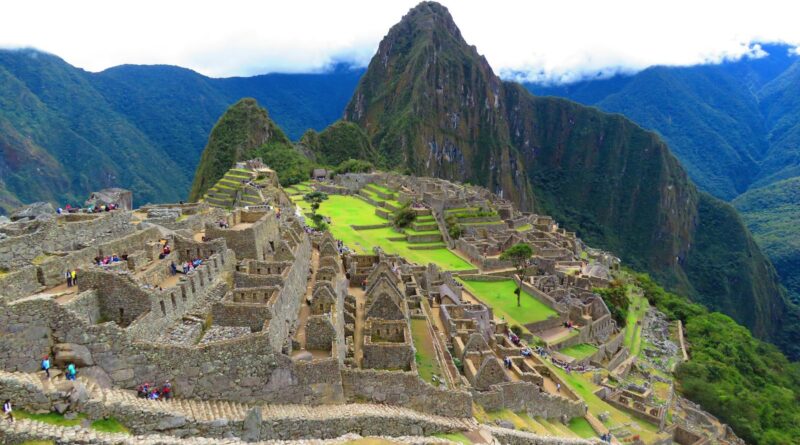
Spiritual tourism and ancient wisdom at Machu Picchu have captivated countless travelers, drawing them beyond the lure of mere sightseeing. Located high in the Peruvian Andes, this awe-inspiring citadel is not only an architectural wonder but also a timeless symbol of spiritual energy, indigenous knowledge, and profound mystery. As people search for deeper meaning in their journeys, Machu Picchu has emerged as one of the world’s most sacred destinations, inviting travelers to connect with ancient wisdom while exploring the rugged beauty of the Inca heartland.
The Spiritual Aura of Machu Picchu
Long before historians and explorers recognized its grandeur, Machu Picchu was revered as a sacred site. Its precise location, tucked among jagged peaks and lush jungles, was carefully chosen by the Inca not just for defense, but as a spiritual gateway. Shamans and modern mystics alike describe a palpable energy that flows through the stones and terraces—a sense of peace, heightened awareness, and unity with nature.
Pilgrims and spiritually-minded travelers visit seeking connection, clarity, or even healing. Many come during solstices and equinoxes, when the sun’s rays align with carved stones and temples, demonstrating the Inca’s astronomical prowess and deep reverence for celestial cycles. Standing among the ruins at sunrise or meditating in the Temple of the Sun offers a unique feeling of oneness that rejuvenates the soul.
Unveiling Ancient Incan Wisdom
The ancient wisdom at Machu Picchu is woven through every stone and pathway. The Incas were master builders, astronomers, and philosophers who understood the interconnectedness of all things. They honored Pachamama (Mother Earth) and Inti (the sun god), centering their lives around harmony with nature.
Visitors walking along the Inca Trail or wandering through the Temple of the Condor will observe intricate stonework, vibrant terraces, and ceremonial spaces. These serve not just as testaments to skillful construction, but as reminders of a worldview that prioritized balance, respect, and sustainability—values increasingly relevant in modern times.
Guided tours and local shamans often share stories about rituals performed at Machu Picchu, such as offerings of coca leaves and prayers for safe passage. These traditions, still alive among the Quechua people today, instill a sense of continuity that anchors the site in both the past and the present.
Spiritual Tourism at Machu Picchu: A Transformative Experience
For many, traveling to Machu Picchu is not just about witnessing an iconic landmark, but about embarking on a personal pilgrimage. Spiritual tourism here centers on self-discovery, reflection, and meaningful connection. Retreats and guided meditation sessions are readily available, and the breathtaking landscape enhances every moment of inner exploration.
Travelers often speak of feeling a “calling” to Machu Picchu, and leave with renewed purpose or perspective. Whether through yoga sessions at dawn, group ceremonies with local healers, or solitary moments gazing across the Urubamba Valley, the site encourages mindful presence and deeper awareness.
Eco-lodges and alternative accommodations in the Sacred Valley further support these pursuits, offering organic meals, healing spa treatments, and opportunities to connect with indigenous communities. These immersive experiences encourage responsible tourism and foster an appreciation for holistic well-being.
Exploring the Sacred Sites of the Sanctuary
The sense of ancient wisdom at Machu Picchu is inextricably linked to its remarkable structures. Each area within the sanctuary was designed with intention:
– Intihuatana Stone: Often called the “Hitching Post of the Sun,” this carved rock is believed to have served as a solar clock and a spiritual focal point during ceremonies.
– Temple of the Sun: With its curved walls and central altar, this temple was used to honor Inti, capturing the sun’s rays during solstices.
– Temple of the Three Windows: Thought to represent the three realms of Incan cosmology—underworld, earthly, and heavenly—this site is a place for meditation and contemplation.
– Sacred Rock: Many visitors pause here for meditation, drawn by the belief that the rock channels energy from the surrounding mountains.
As you wander through these ancient spaces, it’s easy to imagine priests, astronomers, and healers gathering for rituals, their legacy echoing through time.
Preparing for Your Spiritual Journey
A journey to Machu Picchu offers the chance to slow down, reflect, and connect with something greater. Here are a few tips to make the most of your spiritual adventure:
– Take time to acclimatize before your visit; the altitude can affect even experienced travelers.
– Seek out guides who respect and understand the site’s spiritual traditions.
– Attend a ceremony or wellness retreat if possible—many are available in Aguas Calientes and the Sacred Valley.
– Practice mindfulness during your visit: walk slowly, breathe deeply, and allow yourself time for quiet reflection.
– Remember to honor local customs and tread lightly on this sacred land.
FAQ: Spiritual Tourism and Ancient Wisdom at Machu Picchu
What makes Machu Picchu a spiritual destination?
Machu Picchu’s isolated location, energetic atmosphere, and deep cultural history create an environment ideal for spiritual exploration, reflection, and connection to ancient traditions.
Are there spiritual tours or retreats available at Machu Picchu?
Yes, a variety of guided tours and retreats focus on spirituality, including meditation sessions, yoga, traditional ceremonies, and energy work led by local guides or shamans.
Do I need prior spiritual experience to benefit from a visit?
No special background is required; anyone open to mindfulness, reflection, and new experiences can find spiritual enrichment at Machu Picchu.
Can I participate in traditional Incan rituals?
Many local shamans and healers offer ceremonies for visitors, such as coca leaf offerings or blessings. Always approach these respectfully and choose guides who honor authentic practices.
When is the best time for a spiritual visit?
Solstices and equinoxes are especially significant, as the sun’s position interacts with temples and stones. However, the quieter shoulder seasons offer peaceful surroundings for contemplation.
Is it important to have a guide to understand the site’s spiritual aspects?
Guides with knowledge of local traditions can deepen your understanding of Machu Picchu’s spiritual significance and share insights you might otherwise miss.
How can I ensure a mindful and respectful visit?
Approach the site with reverence, follow local guidelines, and give yourself time for reflection. Avoid causing disturbance and learn about the culture and history beforehand.
What should I bring for a spiritual journey to Machu Picchu?
Pack comfortable clothing for walking and meditation, a notebook, water, sun protection, and an open heart for the journey ahead.
Exploring spiritual tourism and ancient wisdom at Machu Picchu can transform travel into a life-changing adventure, fostering deeper connection with oneself, nature, and the mysterious power of this sacred place.