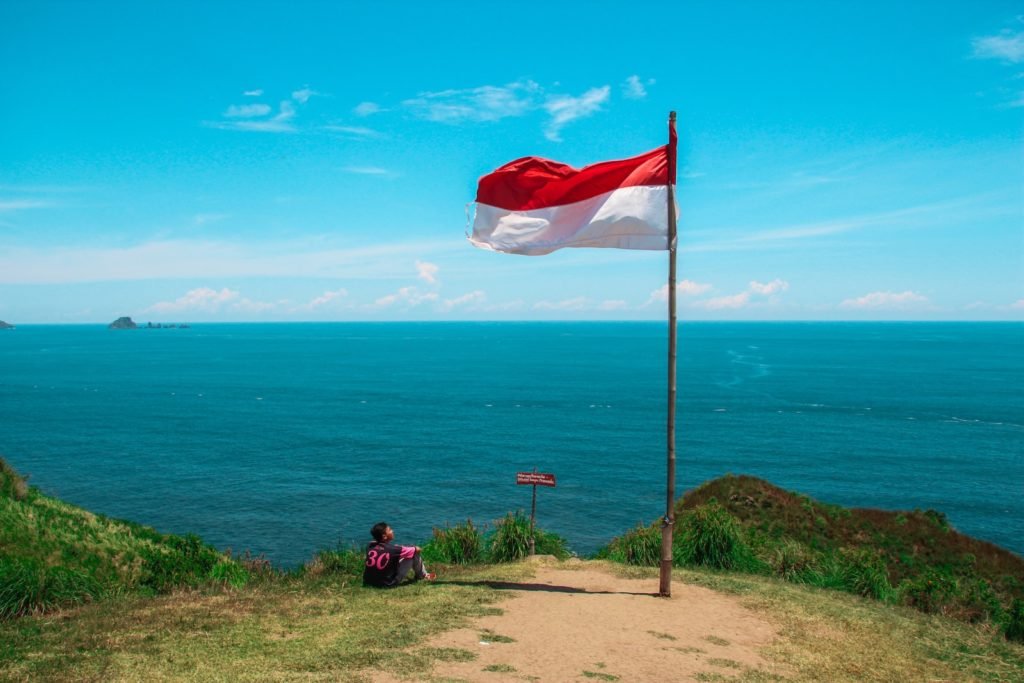
Indonesia is a country of many islands, languages and landscapes, so a useful first-trip plan starts with a few choices rather than a list of places to tick off. Bali’s villages and temples, Yogyakarta’s Javanese heritage and Jakarta’s big-city energy offer very different introductions. Allow time for travel between regions: a distance that looks modest on a map may involve a ferry, a flight or a slow road journey.
These ten practical tips cover entry documents, health, transport, money, everyday etiquette and choosing experiences. They replace several outdated claims in the original guide; check official advice again shortly before departure, especially when your passport, itinerary or health needs differ.
First, choose a realistic starting point
Bali suits travellers who want a mix of cultural sites, coast and established visitor services; Yogyakarta is a useful base for Javanese history and the temple region; Jakarta makes sense for contemporary city life, museums or an onward connection. None is the automatically ‘right’ arrival airport: compare your flights, interests and onward transport. For a sample island-based route, see Wordtheque’s three-day Bali itinerary; for a city-focused start, see its Jakarta preparation guide.
Advertisement
Ten practical tips for travelling in Indonesia
1. Check entry rules for your passport, not somebody else’s
Visa options and eligibility depend on nationality, purpose and length of stay. Start with Indonesia’s official e-visa service rather than a paid intermediary. Check passport validity, any onward-ticket requirement and how long your visa permits you to remain. As a useful example of nationality-specific guidance, the UK government’s Indonesia entry advice sets out rules for British passport holders; do not assume the same detail applies to every visitor.
International arrivals must also use the free All Indonesia arrival declaration, which combines immigration, customs, health and quarantine information. Indonesia’s immigration service says the nationwide requirement began on 1 October 2025. Complete it within the permitted pre-arrival window and avoid lookalike sites charging for the form.
2. Ask a travel-health professional about your actual route
Vaccines and mosquito-borne disease risks vary with your destinations and activities. Some parts of Indonesia have malaria risk, while other tourist areas have different recommendations. Arrange advice well before departure using the UK government’s health guidance or your own national travel-health service. Pack prescribed medicines in appropriate packaging and check local import rules. Do not self-prescribe antibiotics or anti-malaria tablets as a general travel precaution; a clinician should decide what is appropriate for you.
3. Build an itinerary around regions, not a map of every island
Indonesia’s islands reward slower travel. For a short first trip, consider concentrating on Bali or on Yogyakarta and nearby Central Java, then adding a second region only if transfer time makes sense. Protect the final day against flight or boat changes rather than scheduling a distant excursion just before an international departure. Weather, sea conditions and volcanic activity can affect outdoor plans; confirm with your operator and relevant authorities.
4. Match local transport to the place
In Jakarta, public transport includes Transjakarta buses, MRT and commuter trains; the Jakarta government explains Transjakarta routes and payment options. There is no operating Jakarta monorail to plan around. In smaller destinations, transport choices can be more limited, and some journeys require a combination of rail, bus, ferry or car. Compare door-to-door travel time and baggage needs, not just the cheapest advertised fare. Wordtheque’s guide to local transport in Indonesia provides a starting point for the different modes.
5. Know what hiring a car or scooter actually requires
Do not assume a home-country licence is sufficient. Confirm the Indonesian licence and International Driving Permit rules relevant to your nationality and vehicle category, check the rental agreement and ask your insurer about coverage. The UK’s official Indonesia safety guidance warns about road accidents, particularly involving motorcycles, and advises checking the correct licence before hiring a vehicle. For many visitors, a car with a driver is a more relaxing option than self-driving unfamiliar roads.
6. Use a mix of payment methods
The local currency is the Indonesian rupiah (IDR). Cards may be convenient at established hotels and some businesses, but smaller stalls, local transport and remote areas can require cash. Keep a modest amount of rupiah in small denominations, use reputable ATMs or exchange services, and check fees with your bank. Avoid exchanging large amounts merely because you have landed: a particular exchange counter is not automatically cheaper or more expensive because it is at an airport.
7. Think about food and drinking water without dismissing street food
Food stalls and modest local restaurants can be memorable parts of a trip. Choose places that handle ingredients carefully, cook food thoroughly and have reliable water and handwashing arrangements. Take extra care with food left unrefrigerated and with ice or water if its source is uncertain. The aim is sensible hygiene, not an assumption that every street stall is unsafe or that only mid-range restaurants are suitable.
8. Arrange connectivity and learn a few useful words
Download offline maps, hotel addresses and copies of essential travel documents before long transfers. Check roaming, eSIM and local SIM rules for your device; network coverage differs between cities and remote areas. A few Bahasa Indonesia phrases such as terima kasih (thank you) and permisi (excuse me) can make everyday encounters easier. Be patient with translation and avoid assuming everyone you meet speaks English.
9. Respect local customs and natural environments
Dress appropriately at places of worship, follow site-specific access rules and ask before photographing people or ceremonies. On hikes, beaches and wildlife outings, respect closures and keep a safe distance from animals. Indonesia has active volcanoes, changing sea conditions and protected ecosystems; a scenic destination is not automatically safe or accessible on the day of your visit. Use qualified local guides where conditions call for one.
10. Leave room in the budget and schedule for changes
Compare the full cost of transport, accommodation, entrance tickets, transfers and activities, including what is excluded. Verify prices and opening arrangements directly rather than relying on an old blog figure. Flexible plans matter particularly when travelling across several islands. Keep travel insurance details, emergency contacts and a fallback route accessible offline, and allow more time than you think you need between separate bookings.
Where to go after your first stop
Bali: Combine a few cultural stops around Ubud with time in a coastal base rather than trying to visit every part of the island in one day. A guided excursion is optional; compare its included stops and driving time with independent travel.
Yogyakarta and Central Java: Consider Prambanan and Borobudur as separate historic attractions with their own access rules and ticket arrangements. Wordtheque’s Yogyakarta travel guide helps place them within a wider visit. If you are considering a guided trip, check whether temple entry tickets are included and whether the activity actually visits the monument areas you want to see.
Advertisement
Flores and Komodo National Park: Komodo is associated with Labuan Bajo in East Nusa Tenggara, not West Nusa Tenggara as the earlier version of this article stated. Visits to Komodo-dragon habitat require attention to ranger instructions and conservation rules; see Indonesia’s official Komodo National Park guide. This is a separate journey, not a quick Bali sightseeing stop.
Choose the places that genuinely interest you, confirm the practical details close to departure and give yourself time to enjoy them. This guide is a planning checklist, not a statement that any specific activity, visa or entrance ticket is available for a particular date.