
Why Babette Spends Her Lottery Winnings: Art and Grace
Why does Babette spend every franc on dinner? Explore how Karen Blixen turns a lavish meal into a story about artistry, hospitality, and grace.
Why does Babette spend every franc on dinner? Explore how Karen Blixen turns a lavish meal into a story about artistry, hospitality, and grace.
In Andersen’s 1837 Little Mermaid, the prince marries another woman. Explore her painful bargain, refused knife and the daughters of the air.
Why does Hamlet spare Claudius at prayer? Act 3, Scene 3 turns revenge into a question of repentance, dramatic irony, and mistaken judgment.
Why does Dickinson’s carriage ride turn cold? Explore Death, Immortality and the missing stanza that transforms the poem’s meaning and uncertain ending.
Who tells the truth in Frankenstein? Explore Walton, Victor and the creature, and how Mary Shelley’s frame narrative reshapes blame, sympathy and trust.
What does The Yellow Wallpaper’s ending mean? Explore the woman behind the pattern, John’s control, the rest cure, and the story’s unsettling freedom.
Explore Henrik Pontoppidan’s Lucky Per: its ambitious engineering student, difficult love story, and enduring questions about freedom, faith, and happiness.
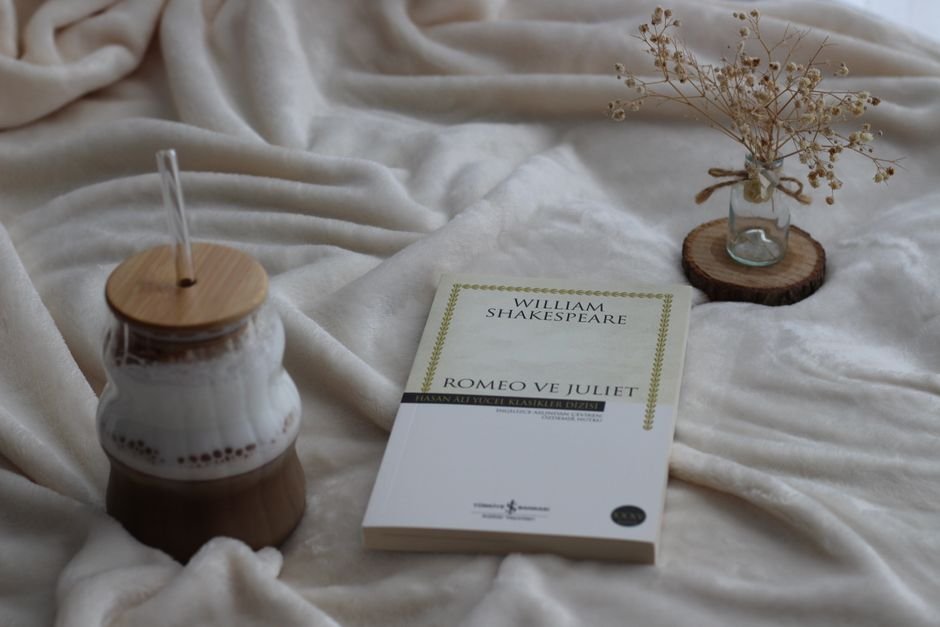
Learning how to read Shakespeare gets easier once you stop treating the plays like modern novels. The language is older, the sentences bend for rhythm, and much of the meaning lives in speech, timing, and conflict. If you feel slow at first, that is normal: the goal is not to decode every word immediately but

If you have heard the word Kafkaesque and wondered what it actually means, this guide offers Kafka explained in plain English. Franz Kafka can seem intimidating, but the difficulty usually comes from the pressure inside his stories, not from complicated prose. Once you know how he works, his fiction becomes much easier to enter. You

If you are wondering how to start reading Dante without turning the experience into homework, start smaller than you think. You do not need a course in medieval theology, Florentine politics, or classical myth before opening The Divine Comedy. You need a good entry point, a readable edition, and a pace you can keep. For