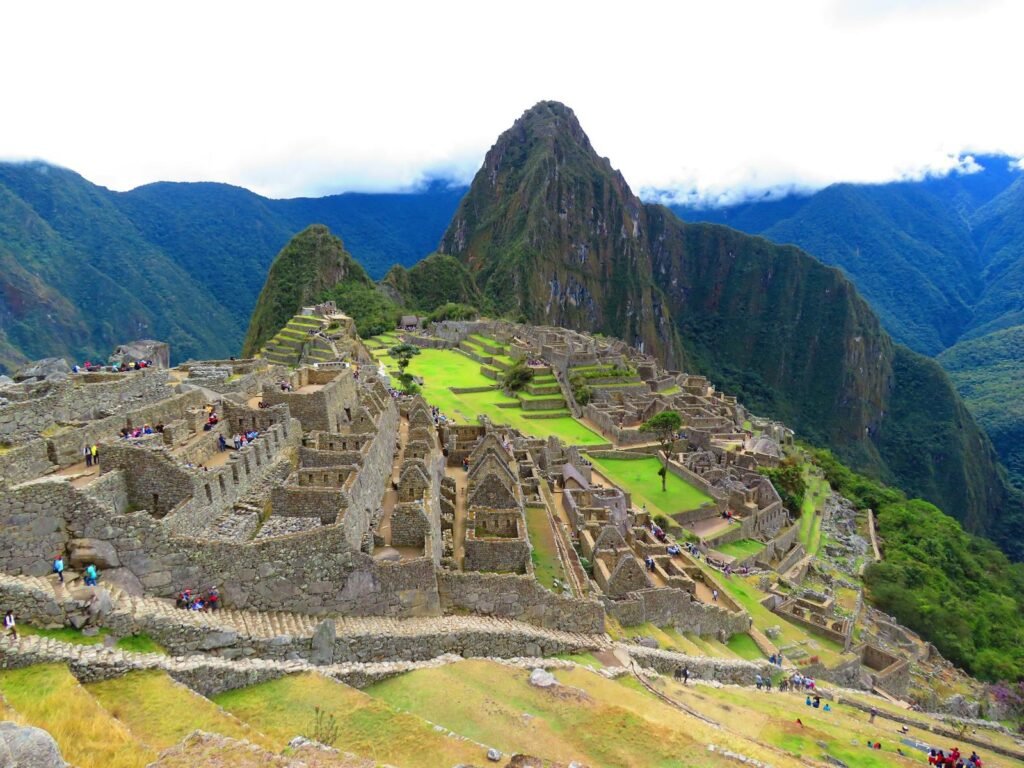
Book the Machu Picchu circuit that suits your group, bring the official identity document used for the ticket, and stay on the route you chose. If you are trekking, check the operator’s authorisation and ask how it treats its crew. Inside the citadel, the everyday choices that matter are simple: pack within the rules, give other visitors room and leave the stonework and wildlife alone.
Understanding the Need for Responsible Tourism at Machu Picchu
The Historic Sanctuary of Machu Picchu is a UNESCO site with both cultural and natural significance. Capacity limits and fixed circuits protect the site and help manage the movement of people through it. Plan around the route you can actually reserve. Wordtheque’s guide to planning around crowds can help you think through timing without assuming that any slot will be quiet.
When we travel thoughtfully, we help maintain the delicate balance between tourism’s benefits and its potential harms. This is especially essential in places like the Sacred Valley, where fragile ecosystems and indigenous cultures coexist.
Choosing Ethical Tours and Guides
Not all tour operators are created equal. Prioritize companies that adhere to sustainable practices, respect local customs, and engage in fair labor standards. Responsible operators provide proper training and fair compensation to their guides and porters, and often support community development projects.
Ask who issues the entrance ticket, what circuit is included and how many visitors will be in your group. If an agency buys the ticket for you, use the Ministry of Culture’s TuBoleto validity checker after the ticket is issued. It checks the official record using your identity-document number and the ticket code or date. Enter those details only on the official site. Read the current October 2026 rules for name, date and route restrictions.
Minimizing Environmental Impact During Your Visit
One of the best responsible tourism practices for Machu Picchu is being conscious of your environmental footprint. Here’s how you can help protect this delicate site:
- Stay on your circuit. Follow staff directions, keep to permitted paths and let other visitors move through narrow areas.
- Pack light. The official conduct rules list a 40 × 35 × 20 cm limit for bags and prohibit bringing food into the citadel. Check the permitted items before packing.
- Look without touching. The conduct rules prohibit touching or leaning against stonework and interfering with the site’s plants or animals. Give wildlife room and avoid feeding it.
- Plan lunch for outside the site. Decide where you will eat after leaving and take responsibility for any waste you bring on the wider trip.
Supporting Local Communities
Tourism can be a powerful driver for economic development if managed correctly. As a visitor, your choices matter:
– Purchase local goods: Buy souvenirs and handicrafts directly from local artisans rather than mass-produced items. This helps sustain traditional crafts and livelihoods.
– Dine at local restaurants: Eating at family-run or community-owned establishments supports the local economy and gives you a genuine taste of Peruvian cuisine.
– Stay in eco-friendly accommodations: Opt for lodges and hotels that employ sustainable practices such as water conservation, renewable energy, and responsible waste management.
Cultural Sensitivity and Respect
Machu Picchu is more than just a historical attraction—it is a sacred site for the Quechua people and other Andean communities. As a guest, showing respect for local traditions and customs is an integral aspect of responsible tourism:
– Dress modestly and appropriately for the region’s climate and culture.
– Ask permission before taking photos of people, especially in rural villages.
– Learn some basic Spanish or Quechua words as a sign of respect to locals.
Responsible Trekking and the Inca Trail
If you’re embarking on the iconic Inca Trail or other routes to Machu Picchu, responsible trekking becomes even more vital:
A citadel ticket and an Inca Trail booking are different products. For a trek, ask the agency which Inca Trail route and permit it will reserve and how it will provide equipment, meals and arrangements for porters. The updated citadel rules specify route 3-B for visitors continuing from the Inca Trail network, subject to capacity. If you want to see a particular viewpoint or take a different circuit, check the additional ticket requirements before buying. Our comparison of train and hiking routes from Cusco can help you choose between the two kinds of trip.
Embracing “Leave No Trace” Principles
A fundamental philosophy for responsible tourism is to leave places as pristine as you found them. Before departing, double-check your surroundings, ensuring you have not left anything behind—especially in sensitive natural and archaeological areas.
Planning for the Future
Demand for Machu Picchu visits often exceeds capacity, particularly during peak seasons. Consider traveling during the shoulder months to help spread visitor numbers throughout the year and reduce pressure on the site.
Stay informed about current regulations, such as ticketed entry times, visitor caps, and new sustainability initiatives. By planning ahead and staying flexible, your journey can be both memorable and mindful.
Official circuit, ticket and visitor rules checked 6 November 2026.
Frequently Asked Questions
What are some simple ways travelers can reduce their impact at Machu Picchu?
Use reusable water bottles and containers, avoid plastic, dispose of waste properly, and stick to established pathways to prevent damage.
How can I ensure my guide or tour operator is responsible and ethical?
Look for operators certified by reputable organizations, ask about fair worker policies, environmental commitments, and read reviews on ethical travel platforms.
Are there any current restrictions or entry requirements for Machu Picchu visitors?
Yes, there are entry limits, timed tickets, and strict regulations on the number of daily visitors. It’s recommended to check official sources or your tour operator for the latest rules.
Why is cultural sensitivity important at Machu Picchu?
Respecting local customs preserves the dignity of communities connected to the site and enriches your travel experience through deeper cultural exchange.
How does responsible tourism benefit local communities?
It channels economic benefits directly to locals through employment, supports traditional trades, and encourages investment in community-based services.
What should I take to the gate?
Bring the ticket and the original identity document it names. Check the time, circuit, bag restrictions and prohibited items before setting out. If a tour handles the booking, check that the document number matches the one you will carry.
Can I visit Machu Picchu independently, or do I need a tour?
You can visit the site independently, but guided tours provide deeper insights and contribute to local employment. The Inca Trail, however, requires booking with a licensed agency.
What is the best time to visit Machu Picchu for a sustainable experience?
Check official capacity, route and date options. If you have flexibility, choose an available slot that suits the whole group and book an itinerary with time for an unhurried visit.
Photo: Pixabay, Macchu Picchu, Peru, Pexels. Pexels License.