Planning a Vatican Museums guided tour itinerary sounds simple until you start estimating queues, walking time, security checks, and how long you will actually spend in each gallery. Many travelers either rush through the highlights or book a tour without understanding how demanding the route can feel in real life. If you want a realistic schedule that helps you pace the visit, protect your energy, and avoid common timing mistakes, this guide breaks down what to expect from start to finish.
The Vatican Museums are not a quick stop. Even on a guided visit focused on major highlights, you will cover a lot of ground, spend long stretches on your feet, and move through some crowded spaces. A practical itinerary helps you decide whether a standard highlights tour is enough or whether you should leave extra time for St. Peter’s Basilica, breaks, and post-tour exploring.
Key Takeaways
- A typical Vatican Museums highlights guided tour usually takes about 2.5 to 3 hours inside the museums.
- Expect substantial walking, with a route that can feel longer because of crowds, stairs, and frequent standing.
- Arrival timing matters: aim to be at the meeting point at least 15 to 30 minutes early for check-in and security.
- If your tour includes St. Peter’s Basilica, build in extra time because access and routing can vary.
- The best itinerary is one that matches your pace, mobility, and interest level, not just the shortest advertised duration.
What a realistic Vatican Museums guided tour itinerary looks like
Before entry: arrival, check-in, and security
Your schedule starts before you see any art. Most guided tours ask guests to arrive 15 to 30 minutes early, and that buffer is important because late arrivals can miss the group entirely. Even with reserved entry, security screening still takes time.
If you are booking independently, use the official Vatican Museums tour information page to understand the official booking process and avoid confusion with third-party sellers.
Quick Tip: Put the meeting point into your map app the night before. “Near the Vatican” is not precise enough when you are trying to find a guide, voucher desk, or group entrance in a busy area.
Inside the museums: the standard highlights route
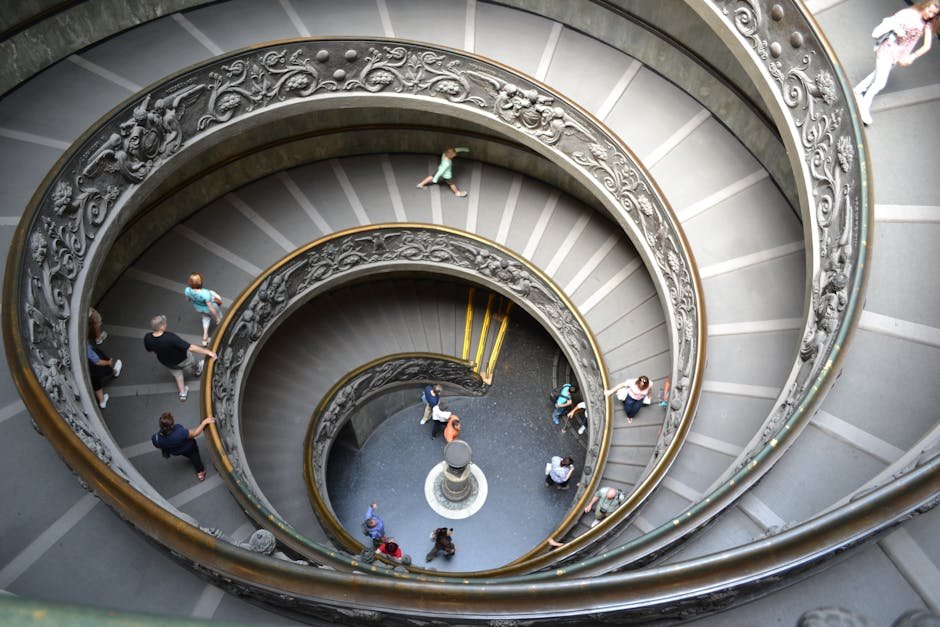
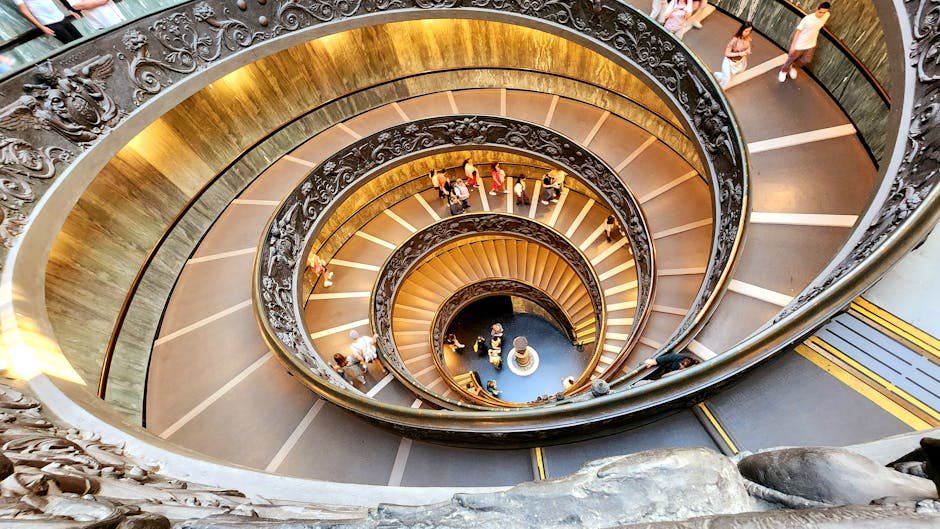
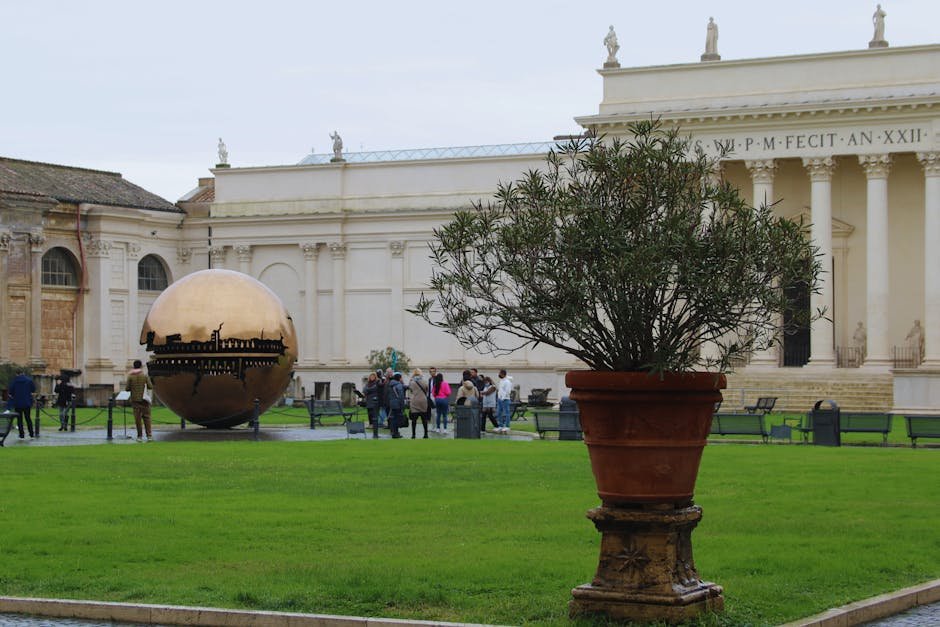
Most guided itineraries focus on the major sections rather than trying to cover everything. A common route includes the courtyards, selected sculpture galleries, the Gallery of Maps, the Raphael Rooms, and the Sistine Chapel. The order can change depending on crowd flow and museum operations.
In practice, this means a steady walk with frequent stops for commentary. You are not hiking nonstop, but you also are not sitting much. The pace is usually manageable for average travelers, though it can feel tiring because the visit combines walking, standing, and concentration in crowded rooms.
After the tour: exit or continue to St. Peter’s Basilica
Some tours end at the Sistine Chapel, while others continue toward St. Peter’s Basilica. This distinction matters because it affects your total time, your walking route, and whether you need to plan a separate line for the basilica later.
Third-party tour pages often advertise direct or combined routing, but access arrangements can change. When comparing options, check exactly what is included rather than assuming all Vatican tours follow the same path.
How long the visit usually takes from start to finish
Typical timing for a highlights tour
For most travelers, a realistic total block is around 3 to 4 hours from arrival at the meeting point to the end of the guided portion. The museum commentary itself is often around 2.5 to 3 hours, which aligns with common traveler expectations for a highlights route.
This broader time block matters because the advertised duration may not fully reflect check-in, security, regrouping, and exit time. If you are trying to fit lunch reservations, a train, or another attraction afterward, leave breathing room.
When to allow extra time
You should add extra time if any of the following apply:
- Your tour includes St. Peter’s Basilica
- You are traveling during a busy season or holiday period
- You are with children or older travelers who need a slower pace
- You want time for the gift shop, restrooms, or a short break after the tour
- You plan to stay inside independently after the guided portion ends
A practical rule is to avoid scheduling anything fixed for at least an hour after your expected end time.
Walking distance and physical effort: what to expect
The route feels longer than the map suggests
The Vatican Museums guided route is not just about distance on paper. It feels demanding because you move through long corridors, large halls, staircases, and dense visitor traffic. Even moderate walking can become tiring when you are stopping and starting in a crowd.
Many travelers underestimate the physical side of the visit. Comfortable shoes are essential, and this is not the best morning for flimsy sandals or brand-new footwear.
Standing time is part of the challenge
Walking is only part of the effort. Guides often pause to explain key works before moving on, and some of the most crowded rooms involve more standing than strolling. If someone in your group is fine with walking but struggles with prolonged standing, that can be the bigger issue.
Quick Tip: Bring water if your tour rules allow it, and eat something beforehand. A long museum visit feels much harder when you are dehydrated or running on coffee alone.
Sample itinerary by time block
A realistic half-day schedule
| Time Block | What Happens | Planning Notes |
|---|---|---|
| 08:00-08:30 | Arrival at meeting point | Allow time for locating the group and check-in |
| 08:30-09:00 | Entry and security | Timing varies even with reserved access |
| 09:00-11:30 | Guided highlights tour | Expect steady walking and regular commentary stops |
| 11:30-12:00 | Tour ends or transition onward | Some groups finish at the Sistine Chapel; others continue |
| 12:00 onward | Free time, basilica visit, or lunch | Do not overbook the next activity too tightly |
This kind of schedule works well for travelers who want a structured morning and a flexible afternoon. If your energy fades quickly in museums, a morning slot is usually easier than a late-day visit.
How to choose the right tour format for your schedule
Standard group tour vs. extended combined tour
If your main goal is to see the essential highlights efficiently, a standard group tour is usually the best fit. It gives you context, a clear route, and a predictable end time without turning the visit into a marathon.
If you also want St. Peter’s Basilica included, a combined tour can be more convenient, but only if you are comfortable with a longer block of time on your feet. Travelers who enjoy depth and structure often like this option, while those who tire easily may prefer to split the day.
What to compare before booking
| Tour Type | Best For | Main Trade-Off |
|---|---|---|
| Highlights group tour | First-time visitors with limited time | Less flexibility and less depth in smaller sections |
| Extended Vatican + Basilica tour | Travelers wanting one organized experience | Longer duration and more physical effort |
| Small-group tour | Visitors who want easier listening and smoother pacing | Usually costs more |
If you want to compare commercial tour formats, pages like this Vatican Museums and Sistine Chapel guided tour listing can help you see how operators describe duration, inclusions, and departure times. Use that information to compare, but always read the details carefully.
Common planning mistakes to avoid
Underestimating fatigue
The biggest mistake is assuming the Vatican Museums are a short indoor activity. Even a well-run guided visit can feel intense because there is very little downtime. If the rest of your day includes long walks around Rome, pace yourself.
Booking the next activity too soon
Another common issue is stacking reservations too tightly after the tour. Delays happen, exits can take time, and you may simply want a break. A realistic itinerary leaves room to decompress instead of rushing straight to the next booking.
Ignoring official guidance
Before your visit, check the official Vatican Museums pages for current visitor information, rules, and tour options. That is the best way to confirm what is officially offered and what may change operationally.
For a general sense of how long many travelers spend on a guided route, this practical overview from The Roman Guy’s Vatican Museums planning guide is also useful as a reference point.
Final planning advice for a smoother visit
The best Vatican Museums guided tour itinerary is not the fastest one. It is the one that gives you enough time for arrival, a realistic amount of walking, and some flexibility if crowds or fatigue slow you down. For most travel planners, that means treating the museums as a half-day commitment rather than a quick checklist stop.
If you want the visit to feel enjoyable instead of exhausting, arrive early, wear proper shoes, keep your schedule loose afterward, and choose a tour based on your pace rather than marketing language. That simple approach makes the highlights easier to appreciate and the whole day much less stressful.