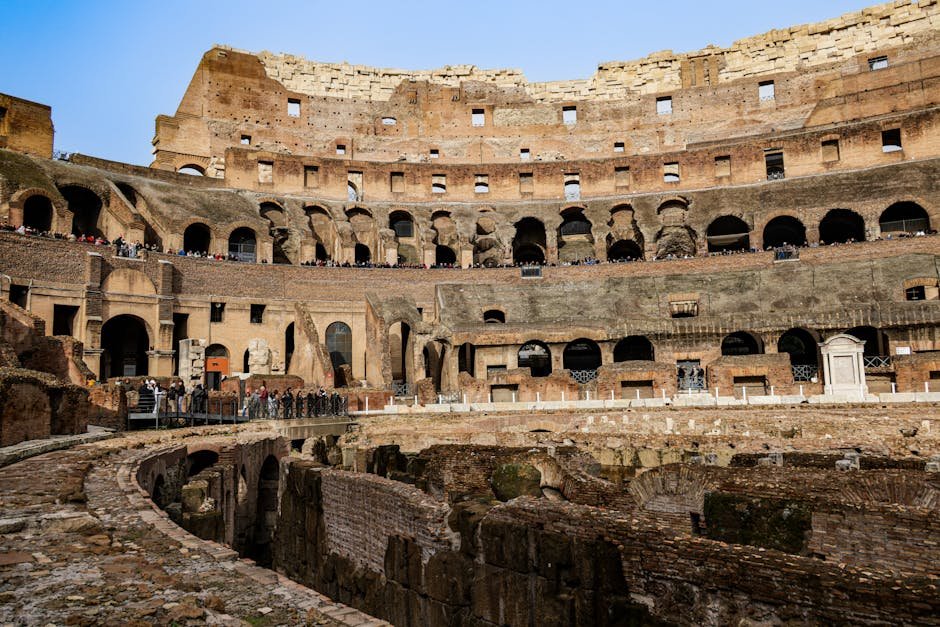
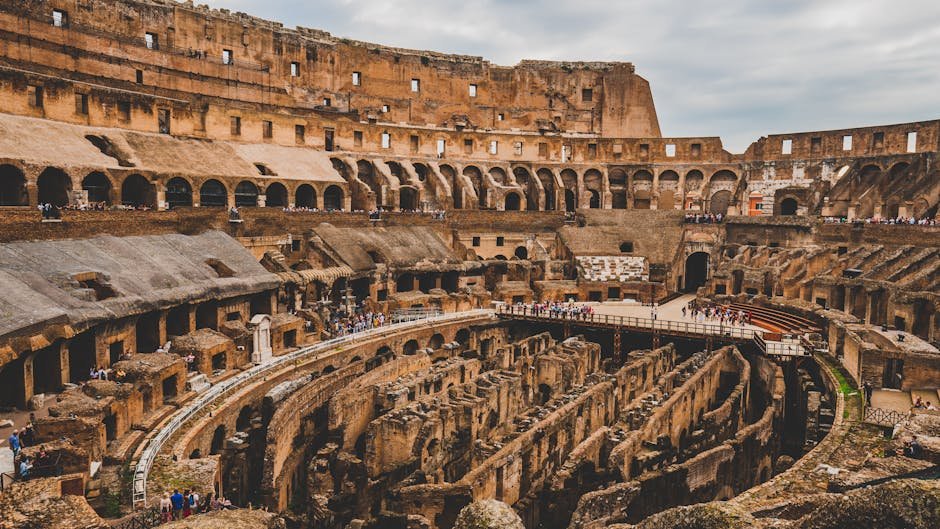
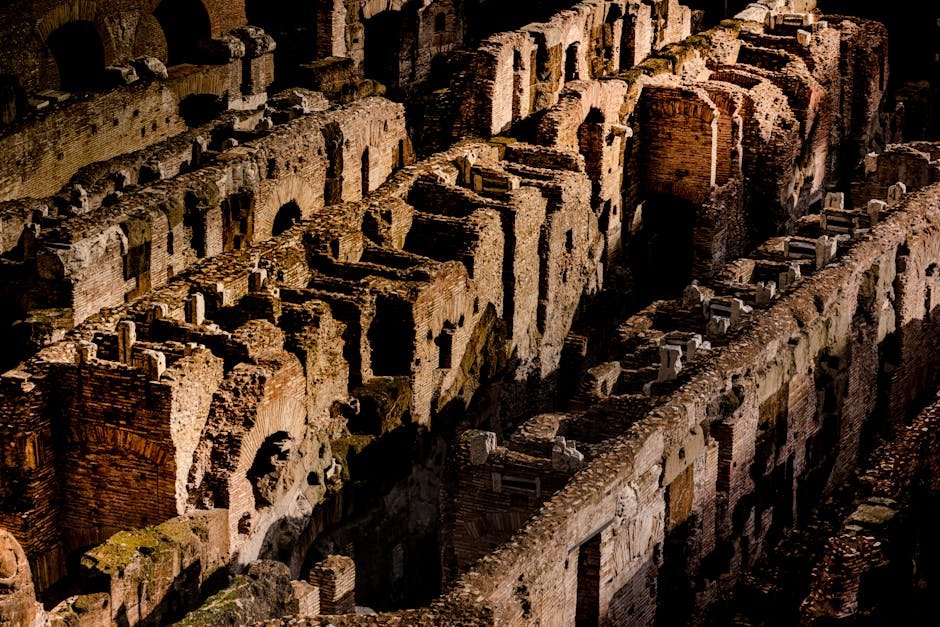
Booking one of the many Colosseum guided tours can make a first visit to Rome much easier, but it also raises practical questions. Do you still need a ticket? Where do you meet the guide? How early should you arrive, and what actually happens once the tour starts?
This guide explains how Colosseum guided tours work in simple, practical terms. You will learn how tickets are handled, how meeting points usually work, what to expect on the day, and how to choose the right type of tour for your travel style.
Key Takeaways
- Most Colosseum guided tours include the entry ticket, so you usually meet the guide first rather than going straight to the monument entrance.
- Meeting points are often outside the Colosseum itself, so checking the exact address in your confirmation is essential.
- You still need to pass security, bring valid ID if requested, and arrive early because late arrivals may miss the tour.
- Tour types vary widely, from basic highlights tours to arena floor or underground access, so it helps to compare what is actually included.
- A guided tour is often the easiest option for first-time visitors who want context, smoother logistics, and less stress.
What a Colosseum guided tour usually includes
Ticket and reservation handling
In most cases, a Colosseum guided tour includes your entrance ticket and reservation. That means you are not buying a separate standard ticket for the same time slot unless the provider clearly says otherwise.
Instead of joining the regular ticket process on your own, you meet your guide or tour staff first. They usually distribute tickets, check names, organize headsets if needed, and lead the group to the correct entrance.
If you want to understand official ticket categories and current access rules, the Parco archeologico del Colosseo ticket page is the best place to verify the basics.
Guide, headset, and route
Most guided tours include a licensed guide and, for larger groups, audio headsets so you can hear clearly. This is especially useful inside the Colosseum, where crowds and open space can make it hard to follow spoken explanations.
The route often covers the Colosseum first, then continues to the Roman Forum and Palatine Hill. Some shorter tours focus mainly on the amphitheater, while others include special areas such as the arena floor or underground sections.
What may not be included
Not every tour includes the same extras. Hotel pickup, food, transport, and access to restricted areas are often excluded unless they are specifically listed.
It is also common for forum and Palatine visits to be guided only in part, with some free time afterward. Always read the inclusions carefully so you know whether you are booking a full guided experience or a shorter introductory tour.
How tickets work for guided tours
You usually do not enter with an independent ticket
For a guided experience, the ticket is normally tied to the group booking. In practice, this means your guide manages entry logistics, and you follow the group through the appropriate access point.
That is one of the main reasons first-time visitors choose Colosseum guided tours. It removes much of the uncertainty around timed entry, ticket types, and where to go first.
Name matching and ID checks
Colosseum tickets are often nominative, meaning the booking may need to match the visitor’s identity. If your confirmation mentions passport or ID requirements, take that seriously.
Bring the same identification used for the booking when possible. A mismatch or missing ID can create delays, and in some cases it may affect entry.
Quick Tip: Save your booking confirmation offline on your phone and keep a photo of your passport or travel ID handy, but bring the physical document too if the provider asks for it.
Timed entry still matters
Even with a guide, your group enters at a scheduled time. Guided tours do not mean you can arrive whenever you want.
If you miss the group check-in, the provider may not be able to move you to another slot. For that reason, arriving 15 to 30 minutes early is usually the safest approach unless your confirmation gives a different instruction.
Where Colosseum tour meeting points are usually located
Why the meeting point is not always at the entrance
One of the most common surprises for first-time visitors is that the meeting point may be near the Colosseum, but not directly at the monument gate. Tour companies often use nearby offices, street corners, metro exits, or landmarks that are easier to manage for group check-in.
This is normal and not a sign that something is wrong. In busy areas, an off-site meeting point helps providers gather the group, verify bookings, and leave together in an organized way.
How to avoid going to the wrong place
Always rely on the exact address and instructions in your confirmation email or voucher. Do not assume that “Colosseum tour” means you should walk straight to the main entrance and wait there.
Look for details such as a street name, building number, nearby café, metro station exit, or staff uniforms. Some providers also include a phone number or live location link for the day of the tour.
For a practical overview of how tour entry and meeting logistics often work, this guide to Colosseum tickets and booking gives useful context.
How early you should arrive
Rome traffic, uneven streets, and crowded metro stations can all slow you down more than expected. If you are unfamiliar with the area, give yourself extra time.
A good rule is to aim to be at the meeting point at least 15 minutes early, and earlier if you are traveling during peak tourist periods. That buffer can save you from the stress of searching for a guide at the last minute.
What to expect on the day of the tour
Check-in and group organization
When you arrive, a staff member or guide usually checks your name against the booking list. You may receive stickers, headsets, or a brief explanation of the route before the group starts walking.
This stage can take a little time, especially with larger groups. Even if your ticket is pre-arranged, there is still a process before you reach the security line.
Security screening and entry
All visitors typically pass through airport-style security. Bags are checked, prohibited items are not allowed, and there may still be a short wait even with timed access.
Guided tours can streamline the experience, but they do not bypass security checks. Bring only what you need and avoid carrying bulky items.
The pace inside
Most tours move at a steady walking pace with regular stops for explanations and photos. You will usually hear historical context, architectural details, and practical information that helps the ruins make sense.
Expect standing periods, stairs, uneven surfaces, and sun exposure. Comfortable shoes, water, and weather-appropriate clothing make a real difference.
If you want a visitor-focused overview of how guided access works in practice, this Rome travel guide explains that your guide advises the meeting point and leads you to the correct entrance.
How to choose the right type of Colosseum guided tour
Basic highlights tour vs special access tour
Not all Colosseum guided tours offer the same experience. Some focus on the essential highlights, while others include access to areas that standard visits do not always cover.
If this is your first trip to Rome and you mainly want a clear introduction, a standard highlights tour is often enough. If you are especially interested in the structure itself, the arena floor or underground tour may be more rewarding.
| Tour type | Best for |
|---|---|
| Standard guided tour | First-time visitors who want the main story and smoother logistics |
| Colosseum + Forum + Palatine tour | Travelers who want one connected overview of ancient Rome |
| Arena floor tour | Visitors who want a more immersive viewpoint inside the monument |
| Underground tour | Travelers with a strong interest in restricted-access areas and deeper detail |
Group tour vs semi-private experience
Larger group tours are usually more affordable and widely available. They work well if you are comfortable moving with a set schedule and do not mind a more social environment.
Smaller groups can feel easier to follow and may offer more chances to ask questions. If budget allows, this can be a good middle ground between a standard group tour and a private guide.
What first-time visitors should prioritize
For most first-time visitors, the best tour is not necessarily the most expensive one. The most useful choice is often a tour with clear meeting instructions, included tickets, a reasonable group size, and coverage of the Roman Forum and Palatine Hill.
That combination gives you both practical convenience and enough historical context to make the site feel meaningful rather than overwhelming.
Common mistakes to avoid before your tour
Assuming skip-the-line means no waiting at all
Many travelers expect immediate entry, but guided access usually means skipping the ticket purchase line, not every line. Security checks and group organization still take time.
That is normal at a major site like the Colosseum. Build a little flexibility into your day instead of planning another timed activity immediately after.
Ignoring the dress, weather, and walking conditions
The Colosseum is an outdoor-heavy visit, and the surrounding archaeological areas involve a lot of walking. Heat, rain, and hard stone surfaces can affect your experience more than you might expect.
Wear supportive shoes, carry water, and bring sun protection. In cooler or wet weather, a light waterproof layer is often more useful than a bulky umbrella.
Booking based only on price
The cheapest option is not always the easiest or best value. A low-cost tour may have a very large group, limited access, or vague meeting instructions.
Look closely at what is included, how long the tour lasts, and whether the route matches your interests. For first-time visitors, clarity and convenience often matter more than saving a small amount.
Quick Tip: Before you book, check three details: exact meeting point, areas included, and whether the Roman Forum and Palatine Hill are guided or self-guided.
Is a guided tour worth it for first-time visitors?
When a guided tour makes the most sense
If you are visiting Rome for the first time, a guided tour is often worth it simply because the Colosseum is easier to appreciate with context. Without explanation, many visitors see impressive ruins but miss the story of how the site functioned and changed over time.
A guide also reduces the practical friction. You spend less energy figuring out tickets, entrances, and route planning, and more time actually enjoying the visit.
When self-guided might be enough
If you prefer moving at your own pace, already understand the site well, or are traveling on a tighter budget, a self-guided visit can still work well. It is especially suitable for repeat visitors who do not need a structured introduction.
But for many first-time visitors, Colosseum guided tours offer the easiest balance of convenience, orientation, and historical insight.
Frequently Asked Questions
Do Colosseum guided tours include tickets?
Usually yes. Most guided tours include the entrance ticket and reservation, but you should always confirm this in the booking details before paying.
Where do you meet for a Colosseum guided tour?
The meeting point is often near the Colosseum rather than directly at the entrance. Always use the exact address and instructions in your confirmation email or voucher.
How early should I arrive for my tour?
Arriving 15 to 30 minutes early is usually a safe plan. This gives you enough time for check-in and helps avoid missing the group.
Can I join the tour if I am late?
Often no. Because entry is timed and group-based, late arrivals may miss the slot and may not be refunded or rebooked, depending on the provider’s policy.