If you are planning Rome sightseeing and keep seeing the phrase skip-the-line, it is easy to wonder whether it is a smart upgrade or just expensive marketing. For the Colosseum, Vatican Museums, and Borghese Gallery, the answer depends on how each site handles entry, how strict the time slots are, and how much flexibility you want on the day.
This guide explains skip-the-line tickets in practical terms, including when they are worth paying for, when they save less time than people expect, and how to choose the right entry time. If your goal is to avoid long queues without overpaying or overplanning, this article will help you decide.
Key Takeaways
- Skip-the-line usually means skipping the ticket purchase line, not all waiting, because security checks still apply.
- The Vatican is often the place where skip-the-line access feels most valuable, especially during busy periods.
- For the Colosseum, timed entry is often the real advantage, since it helps secure access and reduces uncertainty.
- The Borghese Gallery already controls numbers with timed admission, so the main benefit is booking ahead rather than fast-tracking a huge queue.
- The best choice depends on your budget, schedule, and whether you prefer independent visits or guided tours.
What skip-the-line actually means in Rome
It usually does not mean zero waiting
The most important thing to understand is that skip-the-line access rarely means you walk straight in with no delay. At major Rome attractions, visitors still pass through security, and that line can move slowly on busy mornings.
In practice, skip-the-line usually means you avoid the standard ticket-buying queue or use a reserved entry channel tied to a timed slot. That is still useful, but it is not the same as instant access.
Why timed entry matters more than the label
For many visitors, the real value is not a special lane but having a guaranteed entry time. This matters most at places where same-day availability is limited or where arriving without a reservation can lead to long waits or no entry at all.
That is why many experienced travelers focus less on the phrase “skip-the-line” and more on whether the ticket includes pre-booked timed admission. A helpful explanation of this distinction appears in this guide to Colosseum fast-entry and timed access.
Quick Tip: When comparing tickets, look for the entry time first, then check whether the product includes hosted entry, a guided tour, or just a reservation. The wording matters.
When skip-the-line is worth it for the Vatican Museums
Why the Vatican is the strongest case
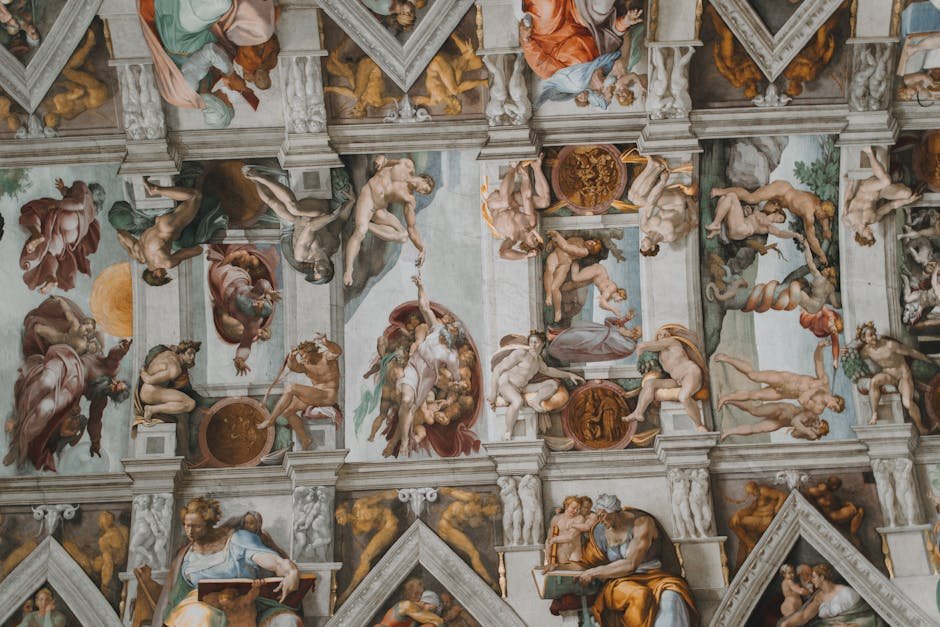
Of the three sites in this guide, the Vatican Museums are often where skip-the-line access feels most worth it. The crowds can build quickly, and the difference between arriving with a reservation and arriving without one can have a major effect on your day.
The Vatican is also a place where visitor fatigue sets in fast. If you spend a long time outside before entering, you may already feel drained before reaching the galleries and the Sistine Chapel.
Who should book ahead
Skip-the-line or pre-booked timed entry makes the most sense at the Vatican if:
- you have limited time in Rome
- you are visiting in a busy season or on a weekend
- you dislike standing in long, slow-moving lines
- you want a morning slot before the site feels even more crowded
- you are traveling with children or older companions
A useful overview of how reserved access works at major Rome sites, including the Vatican, is available in this Context Travel article on skip-the-line tickets in Rome.
When it may be less essential
If you are traveling in a quieter period, do not mind waiting, and have a flexible schedule, you may decide the extra cost is not necessary. But even then, booking ahead can still reduce stress because it turns an uncertain morning into a fixed plan.
For the Vatican, many travelers value predictability as much as time savings. That alone can make pre-booking worthwhile.
When skip-the-line is worth it for the Colosseum
The Colosseum is more about access control than queue drama
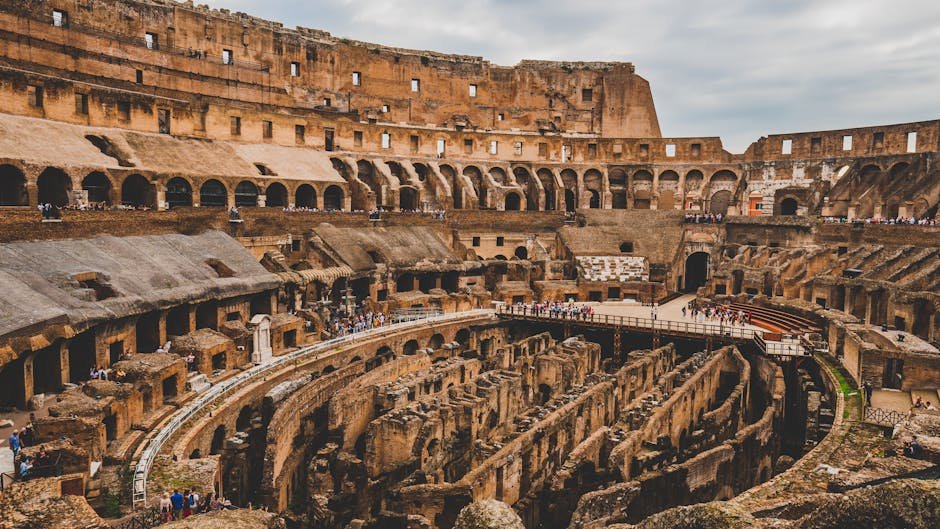
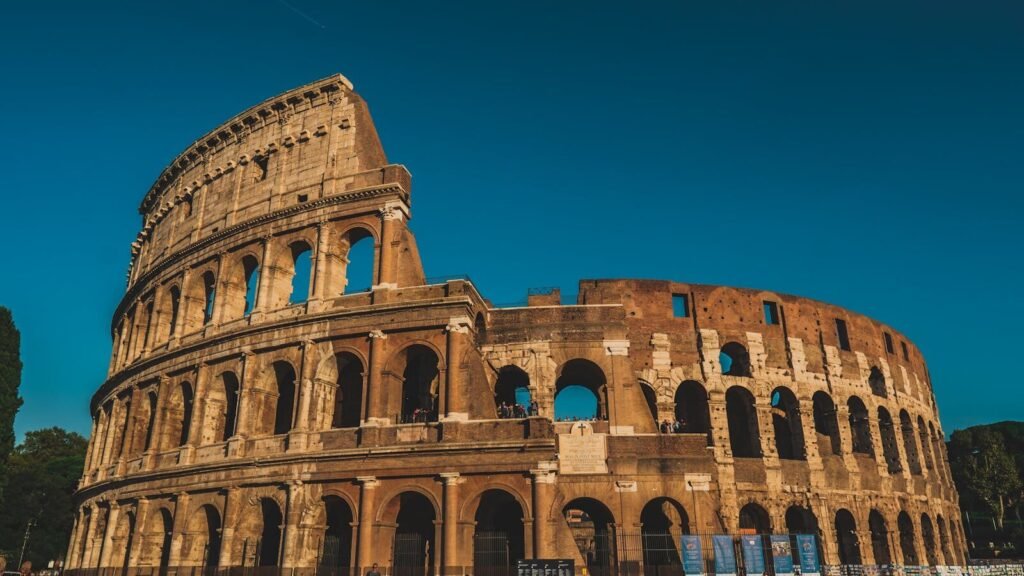
The Colosseum is slightly different from the Vatican. Here, the biggest benefit is often securing your timed entry rather than bypassing a dramatic physical line. Entry is controlled, and many visitors find that having a booked slot matters more than the promise of a special fast lane.
You should also remember that Colosseum visits are often linked with the Roman Forum and Palatine Hill. That makes timing more important because a late or poorly chosen slot can affect the rest of your sightseeing day.
When it is worth paying extra
Skip-the-line or reserved entry for the Colosseum is usually worth it if:
- you want a specific time of day, such as early morning
- you are visiting Rome on a short trip
- you want to avoid the risk of limited same-day availability
- you prefer a smoother start instead of waiting to buy tickets
It is especially useful for first-time visitors who want certainty. If the Colosseum is one of your top priorities, relying on day-of decisions can be stressful.
When standard entry may be enough
If your schedule is flexible and you are comfortable planning around availability, you may not need a premium version of skip-the-line access. In some cases, a standard reserved ticket is enough, and a more expensive add-on does not change the experience very much.
That is why it helps to compare what you are actually getting: timed admission, a hosted escort, or a guided experience. Those are not the same product, even if they are marketed with similar language.
When skip-the-line is worth it for the Borghese Gallery
Borghese works differently from the other two
The Borghese Gallery is the easiest of the three to misunderstand. It does not usually involve the same kind of massive queue story that people associate with the Vatican. Instead, the key issue is limited capacity and strict timed entry.
That means the real strategy is to reserve ahead, not to hunt for a dramatic queue-skipping advantage. If you fail to book early enough, the bigger problem may be not getting in at all.
Why advance booking matters most here
Borghese visits are controlled by entry slots, so numbers inside stay relatively manageable. This is good for the visitor experience, but it also means spontaneous visits can be difficult.
For Borghese, paying extra only makes sense if the ticket includes something you truly want, such as a guided tour or easier logistics. Otherwise, the main win is simply having your place secured.
Quick Tip: For the Borghese Gallery, think “book ahead” rather than “beat the queue.” That mindset leads to better ticket choices.
Best entry times for each attraction
Early morning usually gives the smoothest start
For all three attractions, earlier entry times are often the easiest to manage. Morning visits can mean cooler temperatures, less crowd pressure at the start, and more flexibility for the rest of the day.
That does not mean every early slot is calm, especially at the Vatican, but it often feels more manageable than arriving later when crowds have fully built up.
How to think about timing site by site
| Attraction | Best timing strategy | Main reason |
|---|---|---|
| Vatican Museums | Book as early as practical | Helps reduce crowd stress and protects your day from long entry waits |
| Colosseum | Choose a slot that fits Forum and Palatine plans | Good timing improves the full archaeological area visit |
| Borghese Gallery | Take any suitable slot and reserve early | Availability matters more than queue avoidance |
If you are deciding between morning and afternoon, think about your energy level as well as the queue. Museums and historic sites in Rome can be tiring, and a smart entry time can improve the whole experience.
Skip-the-line ticket vs guided tour vs standard reservation
How to choose the right format
Many visitors assume skip-the-line is a single type of ticket, but there are usually three broad options: a standard reserved ticket, a skip-the-line style product with hosted entry, or a guided tour. The best choice depends on whether you value speed, explanation, or simplicity.
- Standard reservation: usually best for independent travelers who are comfortable navigating on their own.
- Hosted skip-the-line entry: useful if you want a smoother handoff at the entrance.
- Guided tour: best if context and structure matter as much as faster entry.
Simple comparison
| Option | Best for | Trade-off |
|---|---|---|
| Standard reserved ticket | Budget-conscious independent visitors | Less support on arrival |
| Skip-the-line hosted entry | Travelers who want convenience | May cost more without adding much interpretation |
| Guided tour | First-time visitors and those who want context | Less flexibility and a higher price |
If you are unsure, choose based on your travel style, not the marketing label. Some people benefit more from a guide than from a faster entrance lane.
How to decide if it is worth the money for you
Ask these practical questions
Skip-the-line access is worth it when it solves a real problem for your trip. Before booking, ask yourself:
- Is this attraction a must-do, or would you be fine skipping it if lines are long?
- Do you have a tight itinerary with fixed plans before or after?
- Are you traveling with children, older adults, or anyone who struggles with standing?
- Would paying more for certainty improve your trip enough to justify the cost?
If the answer to several of these is yes, paying extra often makes sense. If not, a standard reservation may be the smarter middle ground.
Common mistake to avoid
One of the most common mistakes is paying for a premium ticket without checking what is included. Some products mainly offer convenience, while others add meaningful value through a guide, small-group structure, or carefully chosen timing.
For a practical perspective on when skip-the-line access helps and when it does less than expected, see this article on when skipping the line in Rome is really necessary.
Frequently Asked Questions
Do skip-the-line tickets in Rome skip security?
No. In most cases, they help you avoid the regular ticket purchase line or use a reserved entry channel, but security screening still applies.
Is skip-the-line most worth it for the Vatican or the Colosseum?
For many visitors, it feels most valuable at the Vatican because crowd pressure can be more intense. At the Colosseum, the main benefit is often having a timed reservation and guaranteed access.
Do I need skip-the-line for the Borghese Gallery?
You mainly need advance booking rather than a premium queue-skipping product. The Borghese Gallery uses timed entry and limited capacity, so reserving ahead is the key step.
What is the best time to enter these attractions?
Early morning is often the best choice, especially for the Vatican. For the Colosseum, choose a time that fits well with your plans for the Forum and Palatine Hill, while for Borghese the best slot is often simply the one you can reserve in advance.