If you are planning a Vatican visit, it is normal to wonder how Vatican tours work in practice. Many visitors are less worried about the art and history than about the logistics: where to meet, what to wear, how strict security is, and whether a guided tour will actually make the day easier. A little preparation helps a lot, especially because the Vatican has specific entry rules and tours often move on a tight schedule.
This guide explains what to expect before, during, and after Vatican tours. You will learn how meeting points usually work, what the Vatican dress code means in real terms, what the entry process feels like, and how to avoid common mistakes that can disrupt your visit.
Key Takeaways
- Vatican tours usually start at a specific meeting point outside the museums or near St. Peter’s area, not always at the main entrance.
- The dress code matters: shoulders and knees should be covered, and some clothing may lead to refused entry.
- Expect airport-style security, timed entry, crowds, and a fairly structured route through major highlights.
- Arriving early, bringing the right documents, and following your guide closely can make the visit much smoother.
- Different tour types suit different travelers, so it helps to compare skip-the-line, small-group, and private options before booking.
How Vatican tour meeting points usually work
Why the meeting point is not always the museum entrance
One of the most common surprises for first-time visitors is that Vatican tours do not always begin directly at the Vatican Museums entrance. Many tour operators use a nearby office, a street corner, or a designated landmark where the group checks in before walking together to the entry gate.
This is especially common for guided tours that include headphones, ticket distribution, or group organization. If you assume you can simply walk to the main entrance and meet the guide there, you may end up in the wrong place.
What to check before the day of your tour
Read your confirmation carefully and look for the exact meeting instructions. Good tour confirmations usually include the meeting address, a landmark, the guide or company name, and how early you should arrive.
- The full street address
- A nearby landmark or metro stop
- The required arrival time
- Whether late arrivals can still join
- A phone number or contact method for urgent issues
It is a good idea to save the meeting point on your phone map the night before. In Rome, streets around the Vatican can be busy and a short walking delay can make the difference between checking in calmly and missing your slot.
Quick Tip: Aim to arrive 15 to 20 minutes early, not exactly at the listed time. Tour groups often leave promptly because entry slots are timed.
What happens at check-in
At check-in, you may be asked for your booking confirmation, ID, or the name used on the reservation. Some tours distribute tickets at that moment, while others check everyone in first and then walk the group to the entrance.
If your tour includes headsets, this is often when they are handed out. For larger groups, the guide may also explain the route and basic rules before entering.
What to wear: understanding the Vatican dress code
How strict the dress code really is
The Vatican dress code is not just a suggestion. Visitors entering religious and museum spaces are expected to dress modestly, and staff can refuse entry if clothing does not meet the requirements. According to the official Vatican Museums visitor information, sleeveless or low-cut garments, shorts above the knee, miniskirts, and hats are not permitted inside certain areas.
You can review the official guidance on the Vatican Museums visitor information page.
What usually works well
For most visitors, the safest approach is simple: keep shoulders covered and wear bottoms that reach at least the knee. Lightweight clothing works well in warm weather as long as it still meets the modesty requirements.
- T-shirts or shirts with sleeves
- Blouses that cover the shoulders
- Trousers or longer skirts
- Shorts that reach the knee
- Comfortable walking shoes
If you are visiting in summer, breathable fabrics can make a big difference. The challenge is balancing heat and comfort with the rules for entry.
What may cause problems at entry
Clothing that is too revealing is the main issue. Sleeveless tops, short shorts, mini skirts, and very low-cut tops are the most common reasons visitors worry at the gate.
Some unofficial guides also note that very casual beachwear and flip-flops may be a poor choice for both comfort and etiquette. For added context, this overview of the Vatican dress code from Walks of Italy gives practical examples of what travelers typically avoid.
| Usually acceptable | May be refused or discouraged |
|---|---|
| Tops with sleeves | Sleeveless or very low-cut tops |
| Trousers or long skirts | Mini skirts |
| Knee-length shorts | Shorts above the knee |
| Comfortable closed shoes or sandals | Beachwear or overly casual footwear |
Quick Tip: If you are unsure about your outfit, bring a light scarf or cover-up. It can help in some situations, but it is better to dress correctly from the start.
What to expect when you arrive at the Vatican
Security checks and entry procedures
Even if you have a guided tour or skip-the-line ticket, you will still go through security screening. Bags are checked, and the process can feel similar to airport security, especially on busy days.
This means metal objects, large bags, and prohibited items can slow things down. Try to pack light and avoid bringing anything you do not need for a few hours of walking.
Crowds, queues, and timing
The Vatican is one of the most visited sites in the world, so crowds are a normal part of the experience. A tour can reduce confusion and often shortens the ticketing process, but it does not mean you will have empty galleries.
Expect some waiting at security, bottlenecks in major rooms, and a steady pace through popular areas. The Sistine Chapel and the route leading toward St. Peter’s Basilica are often the busiest parts.
The pace of a guided visit
Most Vatican tours are structured and move continuously. Guides usually stop at key highlights rather than covering every room in depth, which makes sense because the museums are large and dense.
If you enjoy detailed explanations, a guided tour can help you understand what you are seeing without feeling lost. If you prefer to move slowly and linger, a smaller group or private tour may suit you better.
What a typical Vatican tour includes
Common highlights on most itineraries
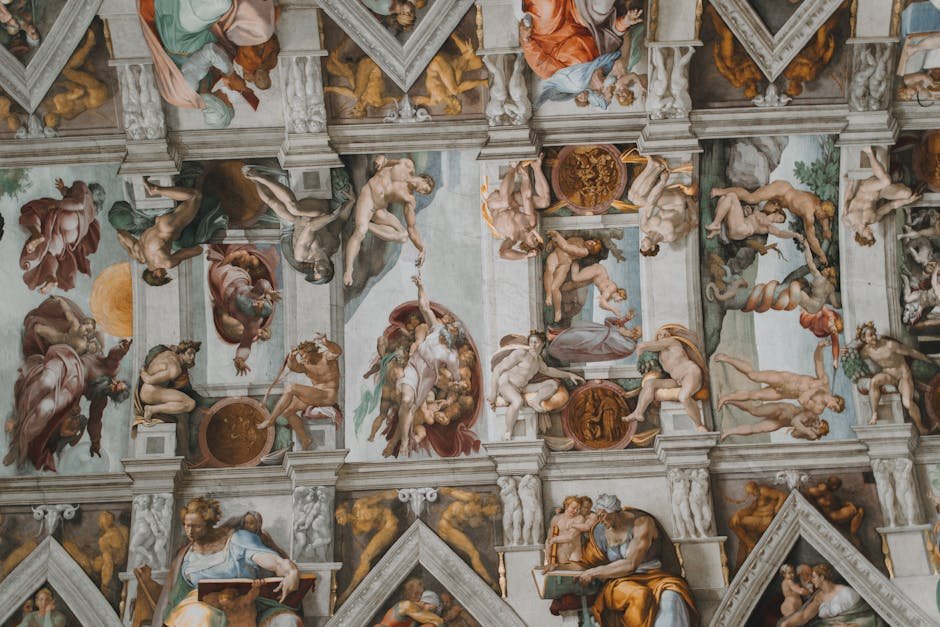
Although itineraries vary, many Vatican tours focus on the main visitor route. This often includes the Vatican Museums galleries, the Raphael Rooms when included on the route, and the Sistine Chapel.
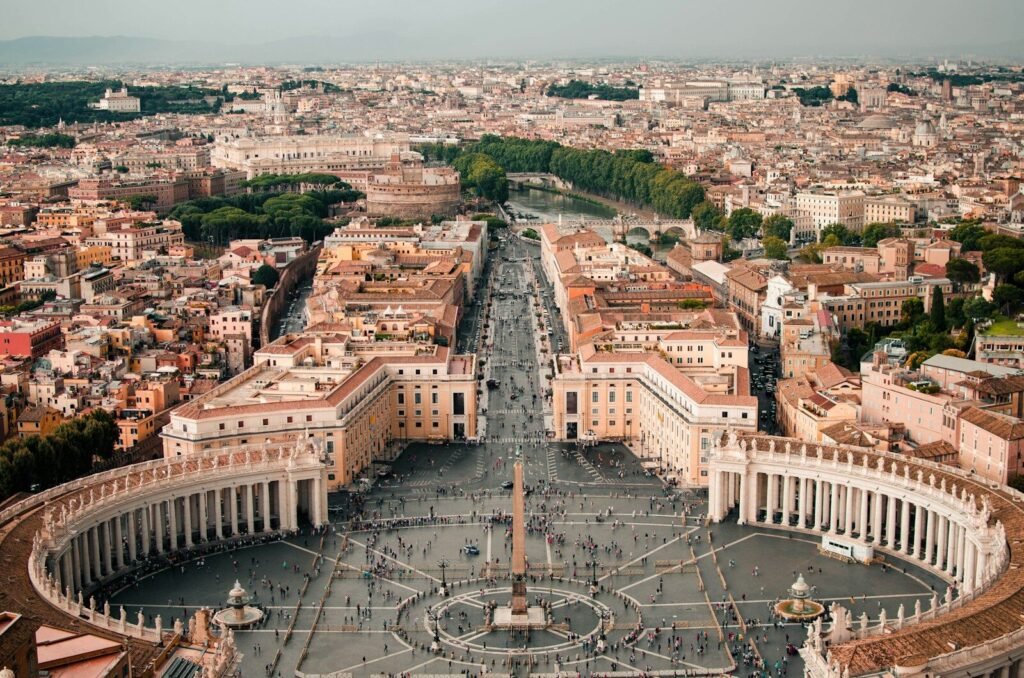
Some tours also continue toward St. Peter’s Basilica, but this is not guaranteed every time. Access can depend on the tour format, timing, internal route changes, and religious events.
How long the visit usually feels
Even a shorter Vatican tour can feel intense because there is a lot to absorb in a relatively short time. You will likely spend much of the visit walking, standing, listening, and navigating crowds.
That is why comfortable shoes, water before entry, and realistic expectations matter. The Vatican is rewarding, but it is rarely a relaxed, slow museum stroll.
Rules inside the Sistine Chapel
The Sistine Chapel is one of the most anticipated parts of Vatican tours, but it is also one of the most controlled spaces. Visitors are generally expected to remain quiet and respectful.
Your guide may explain the chapel before you enter because speaking inside may be limited or not allowed. This is normal and helps the visit move more smoothly.
Choosing the right type of Vatican tour
Small group, large group, or private tour
Not all Vatican tours feel the same. The best choice depends on your budget, your interest level, and how much structure you want.
| Tour type | Best for |
|---|---|
| Large group tour | Travelers who want a lower-cost guided overview |
| Small group tour | Visitors who want a more personal pace and easier listening |
| Private tour | Families, couples, or travelers wanting flexibility and deeper explanation |
When a guided tour is worth it
A guided tour is especially useful if you are visiting for the first time, have limited time, or want help understanding the collection. The Vatican Museums are enormous, and without guidance it is easy to miss context or feel overwhelmed.
On the other hand, independent visitors who enjoy wandering and reading at their own pace may prefer standard timed entry. The trade-off is that you will need to handle navigation and planning yourself.
Practical tips to make your Vatican tour smoother
What to bring and what to leave behind
Bring only what you need. A phone, ID, booking details, compact umbrella if needed, and a small bag are usually enough for most visitors.
- Wear comfortable shoes with good support
- Carry your booking confirmation and identification
- Bring water for before or after entry if allowed by your tour setup
- Avoid bulky backpacks or unnecessary valuables
- Dress for both walking comfort and modesty rules
How to avoid common mistakes
The most common problems are simple ones: arriving late, wearing the wrong clothes, going to the wrong meeting point, or expecting a completely flexible visit. These issues are avoidable if you review the booking details in advance.
Another common mistake is planning too much immediately afterward. Vatican tours can run long due to crowds, internal routing, or entry delays, so leave some breathing room in your schedule.
What families and older travelers should keep in mind
If you are traveling with children or older adults, think about stamina as much as interest. There can be long stretches of walking and standing, and seating opportunities may be limited during the main route.
Choose a shorter or smaller-group option if pace is a concern. It can make the experience much more enjoyable for everyone.
Frequently Asked Questions
How early should I arrive for a Vatican tour?
It is best to arrive 15 to 20 minutes before the stated meeting time. This gives you time to find the correct location, check in, and avoid missing a timed group entry.
Can I wear shorts on a Vatican tour?
Yes, but they should generally reach the knee. Shorts above the knee may cause problems at entry, especially for museum and basilica access.
Do all Vatican tours include St. Peter’s Basilica?
No. Some do, but not all tours include basilica access, and routing can change depending on operational or religious events. Always check the exact tour description before booking.
Is a Vatican guided tour better than visiting on your own?
It depends on your travel style. A guided tour is helpful if you want structure, context, and easier navigation, while an independent visit may suit travelers who prefer flexibility and a self-paced experience.