The most dependable way to tell whether fish is cooked is to check its internal temperature with a food thermometer. For ordinary fin fish, US food-safety authorities recommend 145°F (63°C), measured in the thickest part. A browned crust, curled edge or pleasant smell alone cannot confirm that the middle has reached a safe temperature.
How to measure the temperature of a fish fillet
- Insert the thermometer tip into the thickest part, avoiding bones and the pan or oven tray.
- Wait for the reading to settle according to your thermometer’s instructions.
- For normal home cooking, check that the centre reaches 145°F / 63°C. If it has not, continue cooking and test again.
- For particularly thin fillets, insert the probe sideways to place the sensing tip near the centre without letting it touch the hot cooking surface.
Using a thermometer is especially helpful for a thick salmon or cod fillet, for fish under a crust or coating, and where the surface changes colour before the centre has heated sufficiently. The US Food and Drug Administration’s safe-food-handling advice sets out the same temperature.
What if you do not have a thermometer?
FoodSafety.gov says cooked fin fish should be no longer translucent and should separate easily with a fork. Gently check the thickest section rather than judging the skin, edges or sauce. Flesh that still looks glassy in the middle needs further cooking. Different species have different natural colours, so “white” or “pink” is not a universal doneness test.
The visual and fork checks are useful alternatives, but they are less precise than an accurate thermometer, particularly when you cannot see the centre. The official seafood-handling guide explains the temperature and appearance guidance.
Three common but unreliable signals
- Browned edges: surface heat can brown or crisp the outside before the thickest part is cooked.
- Curled skin or edges: heat changes the shape and texture, but curling does not prove safe internal temperature.
- Smell: an off or ammonia-like smell may signal spoilage, but a pleasant smell does not establish doneness, and cooking does not make spoiled fish safe.
Is it the same for shrimp and shellfish?
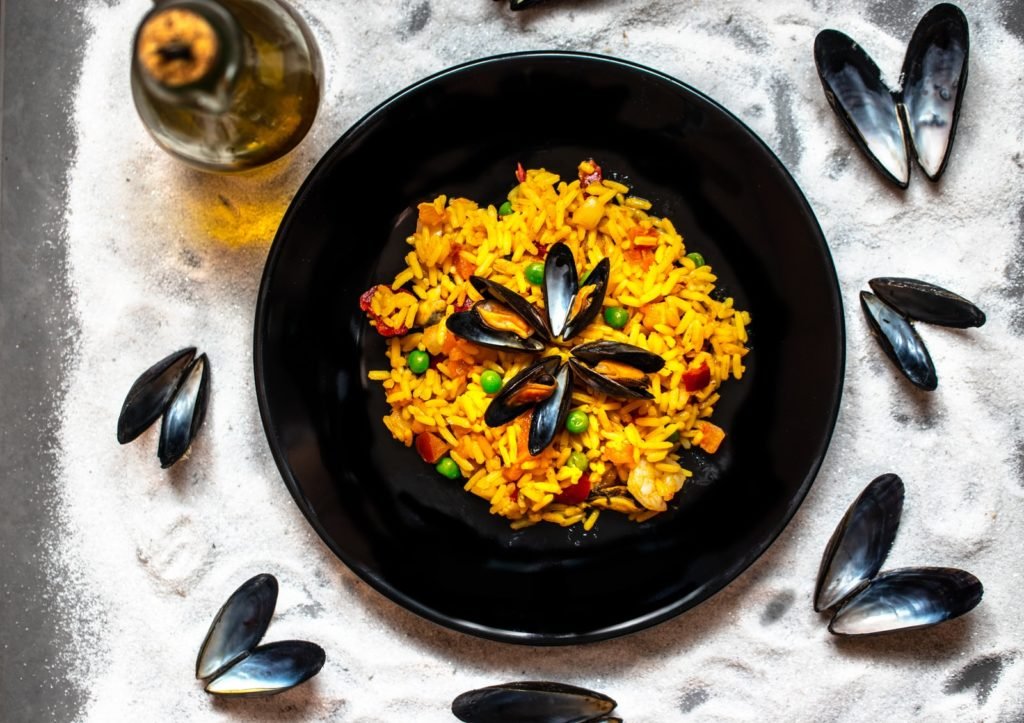
Not exactly. Official guidance for shrimp, scallops, crab and lobster describes flesh becoming firm and opaque, while clams, mussels and oysters should open during cooking; discard shellfish that stay closed. The 145°F guidance above is directed to fin fish, such as salmon, cod, trout and tilapia. Consult the seafood chart rather than assuming every type of shellfish has the same visual test.
How cooking method affects the check
Whether you pan-fry, steam, grill or bake a fillet, test the thickest centre rather than relying solely on minutes in a recipe. Fillet thickness, starting temperature and cooking equipment all affect timing. Our guide to baking versus roasting explains oven terminology, while the article on preheating an oven explains why stable oven conditions matter.
A final food-safety reminder
Thaw frozen seafood in the refrigerator where possible and keep raw fish chilled and separate from foods ready to eat. Wash utensils and work surfaces after raw-fish preparation. Raw seafood carries different risks from thoroughly cooked fish, particularly for pregnant people and others more vulnerable to foodborne illness. Consult FDA seafood-safety guidance rather than trying to judge food safety from taste or odour.