Planning a Colosseum guided tour can feel complicated if you use a wheelchair, walk with a cane, avoid stairs, or are traveling with someone who has mobility needs. The good news is that a Colosseum guided tour can still be rewarding with the right expectations, route planning, and a little advance preparation. In this accessibility guide to Colosseum guided tours, you will learn how elevators and step-free routes usually work, which areas may be harder to reach, and what practical steps can make the visit smoother from arrival to exit.
Because accessibility can vary by route, ticket type, and temporary site conditions, it helps to think beyond the tour description alone. Knowing where the elevators are, how the surface feels under wheels or walking aids, and which parts of the wider archaeological area may be less accessible can make a big difference on the day.
Key Takeaways
- The Colosseum offers step-free access to important areas, including ground-level routes and elevator access to some upper sections.
- Not every part of a guided tour is equally accessible, so it is important to confirm the exact route before booking.
- The Colosseum itself is generally easier to navigate than parts of the Roman Forum and Palatine Hill, where terrain can be rougher and more uneven.
- Arriving early, packing light, and asking specifically about elevators, rest points, and accessible entrances can reduce stress.
- A companion can help with pacing, route decisions, and handling crowded areas, but many visitors can still enjoy a meaningful visit independently with good planning.
What to expect from Colosseum accessibility
Step-free access is available, but not everywhere
For many visitors, the most important point is that the Colosseum is not fully barrier-free in every section, but it does offer meaningful accessibility support. Step-free routes, elevators, and adapted visitor paths make it possible to experience major parts of the monument without taking stairs.
The official accessibility page for the site outlines information for visitors with disabilities, including step-free routes and elevators. You can review that information here: official Colosseum accessibility information.
The terrain still matters
Even when a route is technically accessible, the experience can still depend on the surface underfoot. Expect ancient stone, some uneven transitions, and busy visitor flow, especially near entrances, corridors, and lookout points.
This means accessibility is not only about whether a lift exists. It is also about comfort, turning space, crowd density, and how much walking or rolling is required between access points.
How elevators and accessible routes usually work
Ground level is often the easiest starting point
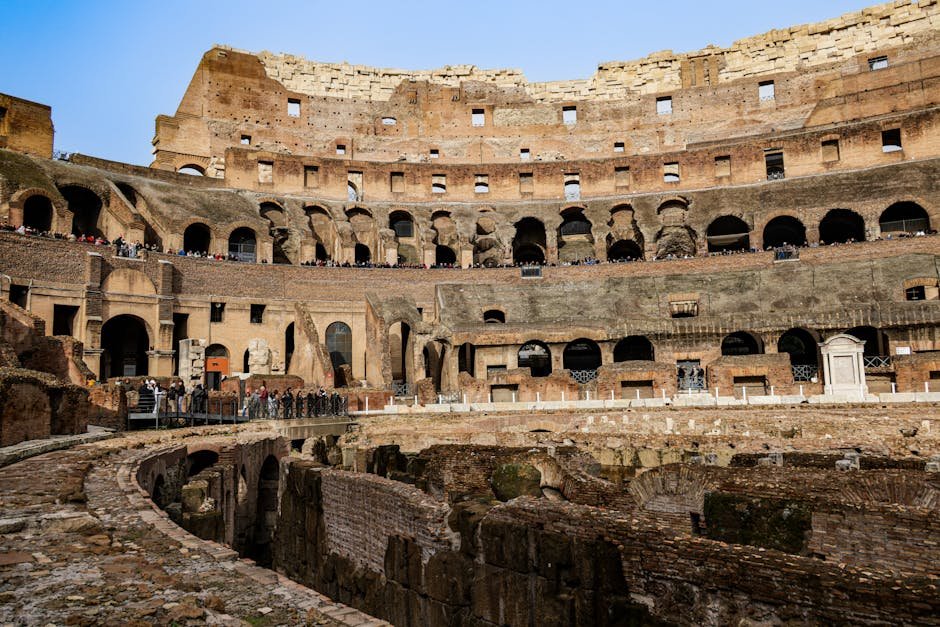
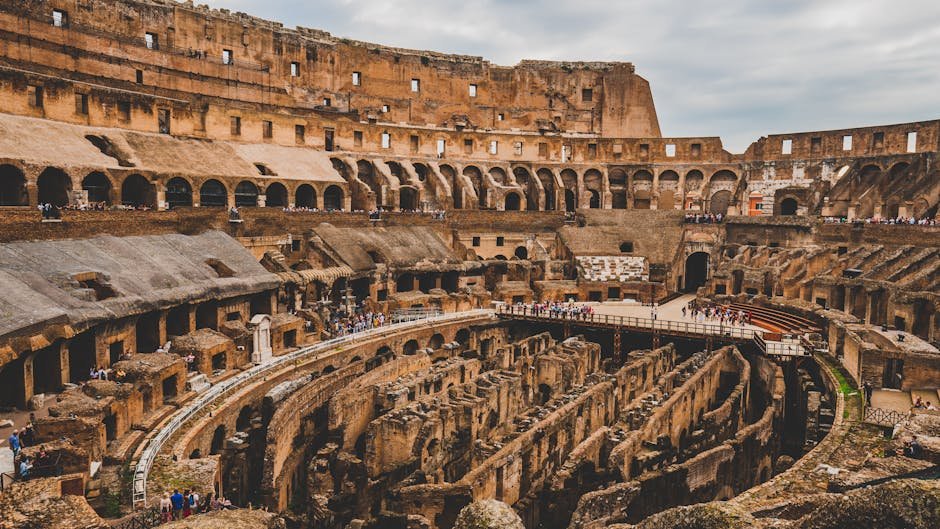
Accessible entry typically brings visitors into the main lower level, where much of the structure can be appreciated without climbing stairs. This level is often the most manageable for wheelchair users and visitors who prefer to minimize elevation changes.
According to a detailed accessibility overview from Wheelchair Travel, the wheelchair-accessible entrance leads to the central ground level, and an elevator to Level 2 is located inside the monument along the left side corridor. You can read that route description here: Wheelchair Travel’s Colosseum accessibility guide.
Elevators can open up more of the monument
For many visitors with mobility needs, elevators are the key feature that makes a guided tour more worthwhile. They can provide access to upper viewing areas that would otherwise require stairs, allowing you to enjoy broader views into the arena and surrounding structure.
That said, elevator access does not automatically mean every stop on every tour is accessible. Some special routes may include short stair sections, narrow passages, or uneven areas that are not suitable for all wheelchairs or visitors with limited balance.
Quick Tip: Before booking, ask the tour provider to describe the route in practical terms, not just say it is “accessible.” Ask whether the tour includes stairs, how many elevator transfers are involved, and whether all group stops can be reached step-free.
Which guided tour routes are most realistic for visitors with mobility needs
Standard guided tours are often the safest choice
If your goal is to enjoy the Colosseum with the fewest access complications, a standard guided tour focused on the main structure is often the best fit. These tours usually stay on the most established visitor paths and are less likely to depend on narrow or difficult sections.
This can be especially helpful if you want a predictable pace, easier orientation, and fewer route changes. It also makes it simpler for companions to support the visit without constantly adjusting plans.
Special access tours may need closer checking
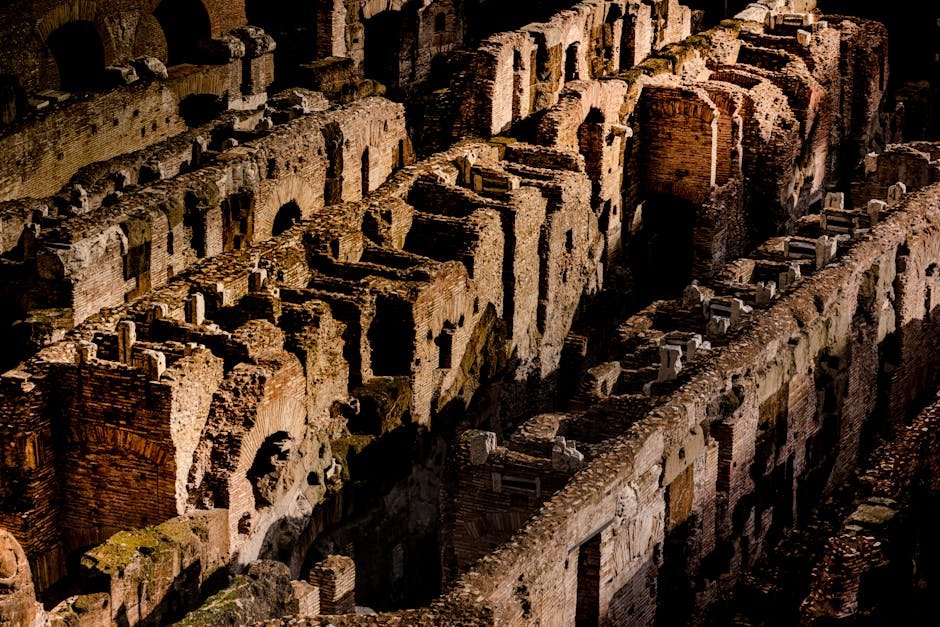
Some visitors are interested in arena floor or underground access. These experiences can be excellent, but they need extra scrutiny because not every special-access route works equally well for mobility devices or visitors who cannot manage long walks and irregular surfaces.
One useful planning point is that some restricted areas are only available with specific tickets or guided access. A general overview of this is explained here: Colosseum tours and access overview.
| Tour type | Best for | Possible accessibility concern |
|---|---|---|
| Standard guided tour | Visitors who want the simplest route | May still involve long distances and crowding |
| Arena-focused tour | Visitors who want a dramatic view with added context | Access details vary by route and operator |
| Underground or special access tour | Visitors seeking a more in-depth experience | May include tighter spaces or more complex movement |
| Private guided tour | Visitors who need a slower pace or flexibility | Usually costs more and still requires route confirmation |
Practical advice before you book
Ask specific accessibility questions
When contacting a tour provider, avoid broad questions like “Is it wheelchair accessible?” Instead, ask for practical details. For example, ask whether the accessible entrance is used, whether the guide stays with you during elevator transitions, and whether there are places to sit or pause.
You should also ask whether the full group follows the same route. On some tours, accessible visitors may need a modified path for part of the visit, and it is better to know that in advance.
Check the wider itinerary, not just the Colosseum
Many guided tours combine the Colosseum with the Roman Forum and Palatine Hill. This matters because the accessibility experience can change significantly once you leave the Colosseum itself.
The Colosseum often has the clearest step-free infrastructure, while the Forum and Palatine can involve steeper paths, rougher ground, and less predictable surfaces. If mobility comfort is your priority, a Colosseum-only guided tour may be more enjoyable than a combined itinerary.
On-the-day tips for a smoother visit
Arrive early and allow extra time
Security checks, ticket verification, and finding the correct entrance can take longer than expected. Arriving early gives you time to orient yourself, speak to staff, and avoid feeling rushed if you need the accessible route.
This is especially useful if you are traveling with a folding wheelchair, mobility scooter, or companion who is coordinating tickets and bags.
Pack light and plan for comfort
Large or heavy bags make movement harder in crowded heritage sites. Bring only what you need, such as water, medication, a phone charger, and any daily mobility essentials.
Comfort also includes pacing. Even an accessible route can feel tiring because of hard surfaces, heat, and the stop-start nature of guided visits.
Quick Tip: If standing still is harder than moving, tell the guide at the start. Guides can often suggest where to wait during explanations so you are not stuck in the busiest or least comfortable spot.
Be ready for crowd management
The Colosseum is one of the most visited landmarks in Rome, so shared space is part of the experience. Narrow passages, photo stops, and bottlenecks near viewpoints can affect how easy it is to move.
If you are traveling with a companion, agree on simple signals before entering. That makes it easier to communicate when you need a pause, a clearer path, or a change in pace without adding stress.
How companions can help without taking over the experience
Support works best when it is practical
Companions can be extremely helpful with navigation, timing, and communication, but the best support is often simple. Carrying documents, checking route details, or asking staff about the next elevator can reduce fatigue for the main visitor.
At the same time, many travelers with mobility needs want to enjoy the site at their own pace and make their own choices. A good balance is to help with logistics while leaving space for independent enjoyment.
Useful roles for a companion
- Confirm the meeting point and accessible entrance before arrival
- Handle security trays or bags if needed
- Walk ahead briefly to check crowd density near narrow points
- Ask the guide where the next rest opportunity will be
- Stay flexible if the route needs a small adjustment
Common limitations to keep in mind
Accessibility can change day to day
Historic sites are complex environments. Elevators may be temporarily unavailable, routes may shift for maintenance, and crowd conditions can change the feel of a visit even when the official path remains the same.
That is why it is smart to treat accessibility information as a planning tool rather than a guarantee of a perfectly smooth experience. Build in extra time and keep expectations realistic.
“Accessible” does not always mean effortless
A route can be technically accessible and still feel physically demanding. Long distances, hard flooring, uneven stone, and limited seating can all affect comfort for visitors with reduced stamina, chronic pain, or balance issues.
For some travelers, the best strategy is not to see everything. Focusing on the most meaningful sections of the Colosseum can lead to a better experience than trying to complete an ambitious combined tour.
Frequently Asked Questions
Are Colosseum guided tours wheelchair accessible?
Many Colosseum guided tours can work for wheelchair users, especially those using the main visitor route with step-free access and elevators. However, not every tour follows the same path, so it is important to confirm the exact route before booking.
Does the Colosseum have elevators for visitors with mobility needs?
Yes, the Colosseum has elevators that help visitors reach some upper sections. Elevator access is one of the main features that makes the monument more manageable for people who cannot use stairs.
Is the Roman Forum as accessible as the Colosseum?
In general, no. Many visitors find the Colosseum easier to navigate because it has clearer accessibility infrastructure, while the Roman Forum often has rougher terrain and more challenging paths.
What is the best type of Colosseum tour for someone with limited mobility?
For many visitors, a standard guided tour of the main Colosseum areas is the most practical choice. It usually offers the best balance of access, comfort, and historical insight without the added complexity of more demanding special-access routes.