Planning a short trip to Rome can feel overwhelming, especially if you want to see the highlights without renting a car. The good news is that a well-organized 3-day Rome itinerary using public transport is not only possible, but often the easiest way to explore the city. With the right route, a few smart transport choices, and realistic daily plans, you can enjoy Rome’s biggest sights without wasting time crossing the city unnecessarily.
In this guide, you’ll learn how to organize your three days by area, when to walk and when to use the metro or bus, and how to avoid common first-time mistakes. The goal is simple: help you build a practical Rome itinerary that feels manageable, efficient, and enjoyable.
Key Takeaways
- Group sights by neighborhood to reduce travel time and make public transport easier to use.
- Rome’s metro is useful for longer connections, while buses and walking are often best in the historic center.
- A 3-day Rome itinerary works best when you balance major landmarks with realistic pacing.
- Booking major attractions in advance can save time and make your daily transport plan smoother.
- For first-time visitors, staying near a metro stop or central area makes getting around much easier.
Why Public Transport Is the Smart Way to See Rome
Rome is a city where many famous sights are closer together than they first appear on a map. In the historic center, walking is often the best option, but public transport becomes very helpful for longer stretches such as reaching the Vatican, Termini, or outer areas.
Driving is usually more trouble than it is worth for first-time visitors. Traffic, limited access zones, parking challenges, and one-way streets can quickly turn a simple day of sightseeing into a stressful experience.
Using buses, trams, and the metro lets you focus on the trip itself. It also makes it easier to follow a structured 3-day Rome itinerary without worrying about where to park between stops.
Quick Tip: If you are choosing accommodation, look for a place near a metro stop or within walking distance of the historic center. That one decision can save a lot of time over three days.
How Rome Public Transport Works for Visitors
Metro, buses, and trams
Rome’s public transport system is fairly simple once you understand the basics. The metro is limited compared with some major capitals, but it is useful for key tourist connections. Buses fill in many of the gaps, and trams can be helpful on a few routes.
For practical visitor advice, route planning tips, and app suggestions, this guide to public transport in Rome is a useful starting point.
When to walk instead
In central Rome, walking is often faster than waiting for a bus. Areas around the Pantheon, Piazza Navona, Trevi Fountain, the Spanish Steps, and Campo de’ Fiori are best explored on foot because the streets are close together and full of details you would miss underground.
Tickets and passes
If you plan to use transport several times each day, a transport pass may be worth considering. Some visitors also compare transport-inclusive sightseeing passes before arriving. If you want an overview of how a typical 3-day trip can be structured, this article on a perfect 3 day Rome itinerary also touches on airport arrival and transport planning.
| Transport option | Best for |
|---|---|
| Metro | Longer connections such as Termini, Colosseum area, Vatican access points |
| Bus | Routes not covered by the metro and reaching central districts |
| Tram | Selected cross-city connections |
| Walking | Historic center and sightseeing between major landmarks |
Before You Start: How to Set Up the Perfect 3-Day Rome Itinerary
Book major attractions in advance
Rome rewards spontaneous wandering, but not always spontaneous entry. Places such as the Colosseum, Roman Forum, Vatican Museums, and Borghese Gallery often work best with advance booking. This helps you build your transport plan around fixed entry times instead of waiting in long lines.
Wear shoes for walking
Even with public transport, you will walk a lot. Cobblestones, uneven surfaces, and stairs are common, so comfortable shoes are essential for a realistic Rome itinerary.
Use navigation apps carefully
Live navigation apps are useful, especially for buses, but always allow a little extra time. Stops can be busy, and traffic can affect surface transport. A backup plan, such as walking to the next major landmark, is often helpful.
Quick Tip: Save your hotel location, nearest metro stop, and a few major landmarks offline before leaving your accommodation each morning.
Day 1: Ancient Rome and the Historic Center
Morning: Colosseum and Roman Forum
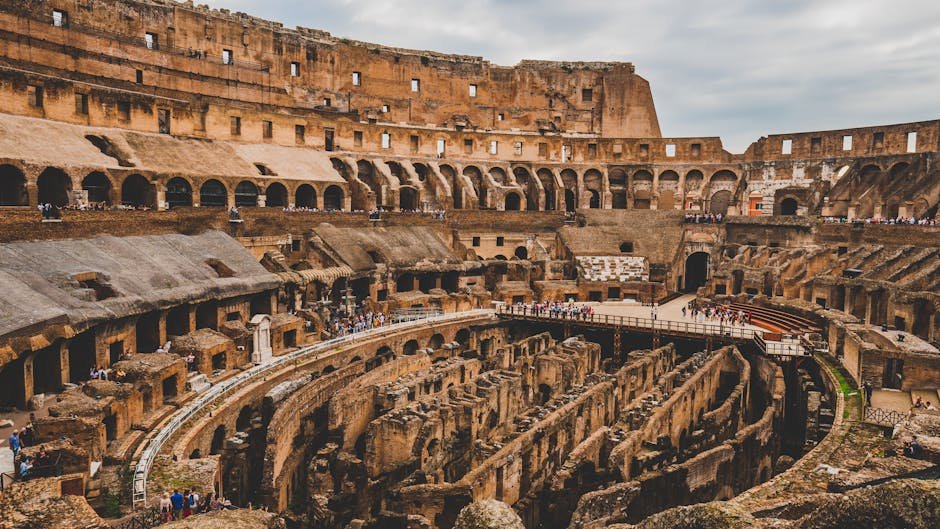
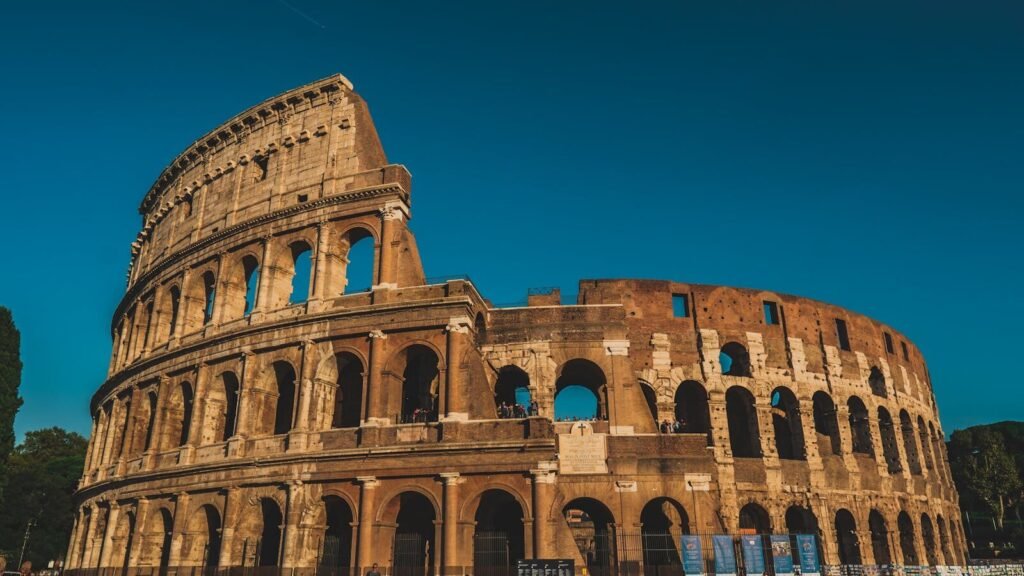
Start your first day with Rome’s ancient highlights. The Colosseum, Roman Forum, and Palatine Hill are best visited early, when your energy is highest and the area is easier to navigate. If you are staying near a metro station, this is one of the easiest sites to reach by public transport.
Plan a long morning here rather than trying to rush through it. These sites involve more walking than many first-time visitors expect.
Afternoon: Capitoline Hill and Piazza Venezia
After the ancient sites, continue on foot toward Capitoline Hill and Piazza Venezia. This transition works well because you move naturally from imperial Rome into the monumental heart of the city without needing another transport connection.
Evening: Trevi Fountain and the Pantheon
In the evening, walk deeper into the historic center. Visit the Trevi Fountain, then continue toward the Pantheon and nearby squares. This part of Rome is ideal for a slower pace, dinner, and evening wandering.
Many first-time visitors underestimate how pleasant this route is on foot. It is one of the best examples of why a 3-day Rome itinerary should combine public transport with strategic walking.
Day 2: Vatican City and Baroque Rome
Morning: Vatican Museums and St. Peter’s area
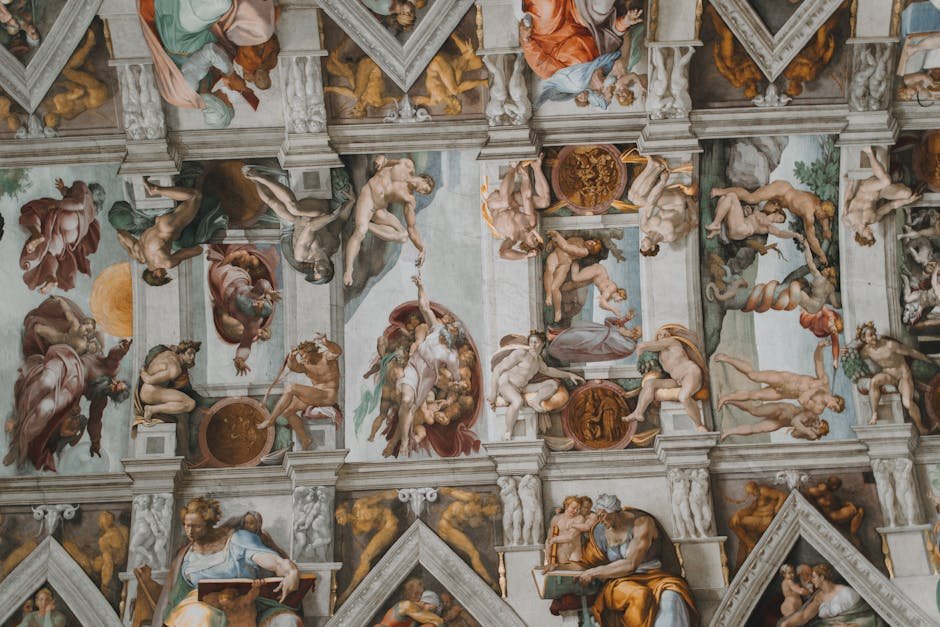
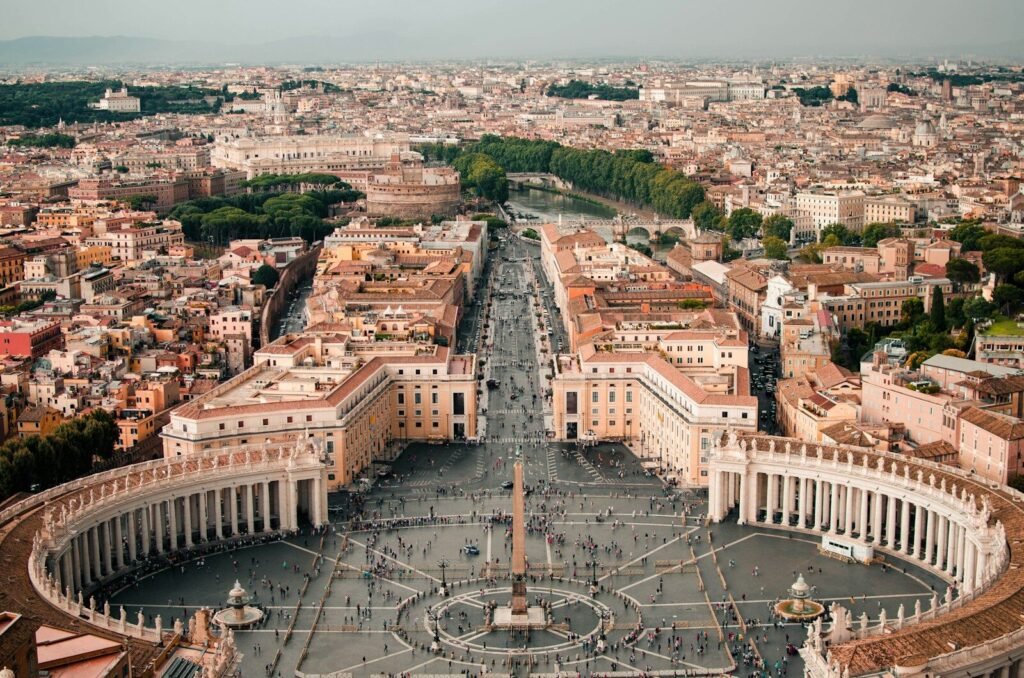
Dedicate your second day to the Vatican side of the city. Depending on where you stay, you may reach this area by metro, bus, or a combination of both. Starting early is especially important here because this is one of the busiest parts of Rome.
If you want another example of how travelers organize a three-day visit, this guide to Rome in 3 days offers practical planning ideas.
Afternoon: Castel Sant’Angelo and river crossing
After the Vatican, walk to Castel Sant’Angelo and then cross the river toward the center. This is a smart route because it avoids unnecessary backtracking and gives you a scenic transition into another part of the city.
Evening: Piazza Navona and Campo de’ Fiori
Spend the evening around Piazza Navona and Campo de’ Fiori. These areas are lively, central, and easy to explore on foot. They also work well for dinner, making this a relaxed end to a sightseeing-heavy day.
Day 3: Spanish Steps, Villa Borghese, and Trastevere
Morning: Spanish Steps and nearby streets
Begin your final day near the Spanish Steps. This area is easy to combine with nearby shopping streets, elegant piazzas, and a short walk toward Villa Borghese. If needed, the metro can help you reach this part of the city quickly in the morning.
Afternoon: Villa Borghese or a flexible museum stop
This is a good point in the itinerary to slow down. You can spend time in Villa Borghese for a break from dense sightseeing, or add a museum if you prefer a fuller schedule. Keeping the afternoon flexible helps balance the intensity of the first two days.
Evening: Trastevere
Finish your trip in Trastevere, a neighborhood known for its atmosphere, narrow streets, and strong dinner options. Depending on your location, you may reach it by tram, bus, or a longer walk. It is an excellent final evening because it feels different from the monumental center and gives your trip a more local rhythm.
How to Choose the Best Route Each Day
Group sights by area
The biggest planning mistake is trying to jump across the city multiple times in one day. Grouping attractions geographically keeps your days efficient and reduces time spent waiting for transport.
Use transport for the first major move
A simple strategy is to use public transport to reach your first major stop each morning, then continue mostly on foot. This works especially well in Rome because many landmarks cluster together once you arrive in the right district.
Build in buffer time
Do not schedule every hour too tightly. Buses can be delayed, security lines can take longer than expected, and Rome often rewards unplanned stops. A realistic itinerary is better than an overloaded one.
Common Mistakes First-Time Visitors Should Avoid
- Trying to see too many ticketed attractions in one day.
- Assuming buses will always be faster than walking in the center.
- Booking accommodation far from central areas just to save a little money.
- Forgetting that major sites may require timed entry.
- Ignoring pickpocket awareness on crowded transport and at busy attractions.
None of these issues are difficult to manage, but they can affect the quality of a short trip. A practical 3-day Rome itinerary should feel focused, not rushed.
What to Pack and Prepare for a Public-Transport Trip in Rome
- Comfortable walking shoes
- A refillable water bottle
- Offline map or transport app
- Pre-booked attraction confirmations
- A small crossbody or secure day bag
Pack light if possible. Rome’s streets, steps, and busy stations are much easier to handle when you are not carrying too much.
Frequently Asked Questions
Is 3 days enough for Rome without a car?
Yes. Three days is enough to see many of Rome’s major highlights if you organize the itinerary by area and use public transport for longer connections. Walking will still be a big part of the trip.
Is the metro enough for a 3-day Rome itinerary?
Not by itself. The metro is useful for key routes, but many important sights in central Rome are better reached on foot or by bus. The best approach is to combine all three.
Where should first-time visitors stay in Rome for easy public transport?
Staying near the historic center, Termini, or a convenient metro stop usually works well. The best choice depends on your budget and whether you prefer to walk more or rely on transit.
Should I buy a transport pass in Rome?
It can be worthwhile if you expect to use buses and the metro several times a day. If most of your sightseeing is concentrated in the historic center, individual tickets may be enough.