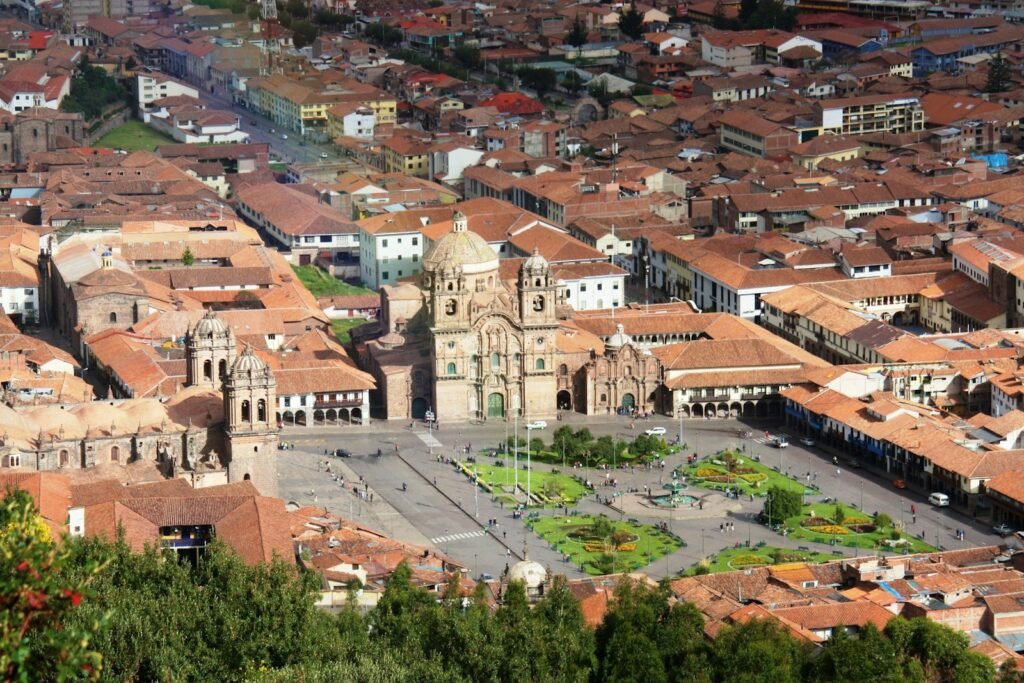
Planning a Cusco itinerary sounds simple until altitude enters the picture. Many first-time visitors arrive excited to explore, only to realize that tiredness, headaches, or a packed schedule can make the first days much harder than expected.
The good news is that a smart plan can make a big difference. In this guide, you will learn how to structure your Cusco trip around altitude, acclimatization, and realistic pacing so you can enjoy the city, the Sacred Valley, Machu Picchu, and higher-altitude day trips without burning yourself out.
Tours to Cusco
Key Takeaways
- Do not schedule your hardest activities for your first day in Cusco.
- A lower-sleeping strategy, such as starting in the Sacred Valley, can help with acclimatization.
- Place Machu Picchu before very high-altitude hikes like Rainbow Mountain when possible.
- Keep your first 24 to 48 hours light, with easy walking, hydration, and rest.
- A good Cusco itinerary balances sightseeing with recovery time instead of filling every day with long tours.
Why altitude changes how you should plan Cusco
Cusco sits at high elevation, and that affects how your body responds after arrival. Even fit travelers can feel the altitude, especially if they fly in from sea level and start sightseeing immediately.
This is why a normal city-break mindset does not work well here. Instead of asking how much you can fit in, it is better to ask what order gives your body time to adjust.
What first-time visitors often get wrong
A common mistake is booking a full city tour, a nightlife plan, and an early departure for a major excursion all within the first 24 hours. That kind of schedule can feel rough even if nothing goes seriously wrong.
Another mistake is putting the highest and most physically demanding trips too early. A better Cusco itinerary usually starts gently and builds up over several days.
Quick Tip: If you are flying straight into Cusco, plan your first day as an arrival and recovery day, not a sightseeing marathon.
How acclimatization works in a practical travel itinerary
Acclimatization means giving your body time to adapt to less oxygen at higher elevation. In travel terms, that usually means lighter activity at first, slower pacing, and avoiding unnecessary jumps to even higher places too soon.
You do not need to overcomplicate it. For most travelers, the practical goal is simple: sleep smart, move gradually, and save the toughest days for later.
The first 24 to 48 hours matter most
Your first one to two days in the region are usually the most important for smart scheduling. During that time, easy walks, relaxed meals, and short sightseeing blocks are usually better than long tours or intense hikes.
It also helps to avoid stacking early mornings, late nights, and heavy physical activity. Even if you feel fine on arrival, your energy may drop later in the day.
Why sleeping lower can help
One practical strategy is to arrive in Cusco and then transfer to the Sacred Valley, where many places sit lower than Cusco itself. This approach is often recommended because it can make the first nights easier on the body while still letting you start exploring the region.
You can read more about that lower-sleeping approach in this guide on how to acclimate in Cusco.
The smartest order for a Cusco itinerary
If your goal is to avoid altitude problems, the order of your trip matters almost as much as the places you choose. In general, it makes sense to start with easier, lower-stress days and leave the highest or hardest excursions until you are better acclimatized.
A practical sequence that works well
For many first-time visitors, this order is sensible:
- Arrival day with minimal activity
- Sacred Valley or easy Cusco sightseeing
- More relaxed cultural visits
- Machu Picchu
- Higher-altitude day trips or strenuous hikes
This sequence helps because Machu Picchu is generally lower than Cusco, while places like Rainbow Mountain are significantly more demanding. If you reverse that order, you may make the hardest part of your trip even harder.
Where to place Machu Picchu
Machu Picchu often fits best after one or two lighter days, not on the day after landing. By then, you are usually more settled, and the trip feels smoother logistically as well.
It also makes sense to do Machu Picchu before very high-altitude adventures. Several travel guides recommend saving the toughest hikes for later, once you have had more time to adapt, including advice from this Cusco altitude guide.
What to do on each stage of your trip
A well-planned Cusco itinerary is not only about destinations. It is also about matching your energy level to the right kind of activity on the right day.
Day 1: Keep it very light
Your first day should be simple. Check in, rest, drink water, eat lightly, and take only a short walk if you feel up to it.
If you stay in Cusco, avoid steep climbs and long walking circuits on arrival day. If you transfer to the Sacred Valley, keep that evening quiet.
Days 2 and 3: Focus on easy cultural sightseeing
These days are ideal for low-pressure exploration. Good options include plazas, markets, museums, scenic train connections, or relaxed Sacred Valley stops that do not require hard hiking.
This is the phase where many travelers realize they can still see a lot without pushing too hard. The goal is steady enjoyment, not maximum output.
Later days: Add more demanding excursions
Once you have had time to acclimatize, you can consider longer hikes or higher-altitude day trips. This is when places like Rainbow Mountain or Humantay Lake make more sense in your schedule.
That later placement is commonly recommended in altitude-focused planning advice, including this article on building a Cusco itinerary without burnout.
Sample itinerary structures for different trip lengths
The right plan depends on how many days you have. The key is to stay realistic rather than trying to cram every famous place into a short trip.
4-day Cusco itinerary
- Day 1: Arrive and rest
- Day 2: Easy Cusco or Sacred Valley sightseeing
- Day 3: Machu Picchu
- Day 4: More Cusco sightseeing or departure
This is tight, so it is best to skip very high-altitude hikes unless you already know you handle altitude well.
5 to 6-day Cusco itinerary
- Day 1: Arrive and rest
- Day 2: Sacred Valley or easy city day
- Day 3: Machu Picchu
- Day 4: Restful Cusco day or light ruins visit
- Day 5: Higher-altitude day trip
- Day 6: Buffer or departure
This is a more comfortable structure for first-time visitors because it gives you room to adapt and recover.
7 days or more
With a week or longer, you can pace the trip much better. You have space for acclimatization, Machu Picchu, city time, and one or two demanding excursions without making every day feel rushed.
Comparison: common itinerary approaches
| Approach | Best for | Main drawback |
|---|---|---|
| Stay in Cusco from day 1 | Travelers who want fewer hotel changes | First nights may feel harder at altitude |
| Start in the Sacred Valley | First-time visitors worried about altitude | Requires extra transfer planning |
| Machu Picchu early in the trip | Travelers wanting a lower-altitude highlight sooner | Can still feel rushed if done immediately after arrival |
| High-altitude hikes at the end | Most first-time visitors | Needs enough days in the itinerary |
How to know if your schedule is too aggressive
If your plan includes multiple pre-dawn wake-ups, long drives, hard hikes, and no buffer time, it is probably too ambitious. Cusco rewards slower travel more than rushed travel.
Another warning sign is booking every major highlight back-to-back. Even if each day looks manageable on its own, the cumulative fatigue can catch up with you.
Signs you should simplify the plan
- You land in Cusco and have a tour booked the same afternoon
- You scheduled Rainbow Mountain within the first two days
- You have no rest window after Machu Picchu
- Every day starts early and ends late
Quick Tip: Build one flexible half-day into your Cusco itinerary. It can become rest time, backup time for weather, or extra sightseeing if you feel great.
Simple habits that support acclimatization
A smart itinerary works best when paired with good travel habits. These are not glamorous, but they are often what make the difference between a smooth trip and a rough start.
Prioritize the basics
- Drink water regularly
- Eat light at first if your stomach feels off
- Walk slowly, especially uphill
- Sleep enough
- Avoid heavy drinking in the first days
These habits support the same overall goal as your itinerary: reducing unnecessary stress while your body adjusts.
Pay attention to symptoms
Mild fatigue or shortness of breath on stairs can happen at altitude. But if you feel unwell, the practical response is to slow down, rest, and avoid going higher until you feel better.
For more general context on pacing and acclimatization in Peru, this guide on acclimatization in Peru is a useful reference.
Frequently Asked Questions
How many days do I need to acclimatize in Cusco?
For many first-time visitors, it helps to keep the first 24 to 48 hours easy. If you plan to do very high-altitude hikes, giving yourself several days before those activities is usually the safer approach.
Should I stay in Cusco or the Sacred Valley first?
If altitude is your main concern, starting in the Sacred Valley can be a smart option because it is generally lower than Cusco. If you prefer to stay in one base, keep your first days in Cusco light and avoid hard activity.
Is it better to do Machu Picchu before Rainbow Mountain?
Yes, for many travelers that order makes more sense. Machu Picchu is usually easier to place earlier, while Rainbow Mountain is better saved for later after more acclimatization.
Can I do a full Cusco city tour on arrival day?
It is usually better not to. A short walk or one relaxed activity may be fine, but a full sightseeing day right after arrival can feel much harder than expected at altitude.