Planning a 3-day Rome itinerary using public transport can feel overwhelming when it is your first visit. Rome is packed with world-famous sights, busy streets, and neighborhoods that look close on a map but can take time to cross. The good news is that you do not need a car to see the city well.
With the right route, you can combine walking, metro, buses, and the occasional tram to cover Rome’s highlights efficiently. This guide shows you how to organize your three days, which areas to group together, how to avoid wasting time in transit, and what to expect when relying on public transport instead of driving.
Key Takeaways
- Rome is best explored by combining walking with metro and bus routes rather than renting a car.
- Grouping attractions by area helps you save time and reduce unnecessary backtracking.
- A practical 3-day plan should balance major landmarks with realistic travel time and breaks.
- Public transport works well for longer connections, while the historic center is often easiest to explore on foot.
- Advance planning for timed-entry attractions can make your itinerary much smoother.
Why Public Transport Is the Smart Choice in Rome
Driving usually creates more problems than it solves
For first-time visitors, renting a car in Rome is rarely the easiest option. Traffic can be intense, parking is limited, and many central areas are not convenient for drivers. In practice, a car often adds stress instead of saving time.
Most of the places visitors want to see are in or near the historic center, where walking is often faster than driving short distances. Public transport is more useful for connecting neighborhoods and reaching places such as the Vatican area, Termini, or the Appian Way side of the city.
Rome is well suited to a walk-and-ride approach
A realistic Rome plan uses metro lines for major jumps, buses for areas the metro does not cover well, and walking for the final stretch. This is especially helpful because many famous sights sit close together once you are in the center.
If you want a broad overview of how transport works in the city, this guide to public transport in Rome is a useful starting point.
Quick Tip: In Rome, think in neighborhoods rather than individual landmarks. Once you arrive in the right area, plan to walk between several sights before using transport again.
How to Set Up Your 3-Day Rome Itinerary
Group attractions by location
The easiest mistake in Rome is crossing the city too many times in one day. A better strategy is to assign each day to a cluster of sights. This reduces time spent waiting for buses or changing lines.
For a first trip, a practical split is:
- Day 1: Ancient Rome and the historic center
- Day 2: Vatican City and nearby neighborhoods
- Day 3: A mix of local atmosphere, viewpoints, and one extra major site
Book major attractions in advance
Some of Rome’s biggest sights work best with timed entry. If you plan to visit places such as the Colosseum or Vatican Museums, booking ahead helps you avoid building your day around long queues.
You can also compare route ideas with this helpful Rome in 3 days planning guide, especially if you are deciding where to start each day.
Choose accommodation with transport in mind
If possible, stay near a metro stop or in a central area where you can walk to several attractions. Areas with easy access to Termini, the Spanish Steps zone, or the Vatican side can all work well depending on your budget and priorities.
| Transport option | Best used for |
|---|---|
| Metro | Fast connections between major areas such as Termini, Colosseum, and the Vatican side |
| Bus | Reaching central areas not directly covered by the metro |
| Tram | Select cross-city routes and a few useful neighborhood connections |
| Walking | Historic center sightseeing and short distances between landmarks |
Day 1: Ancient Rome and the Historic Center
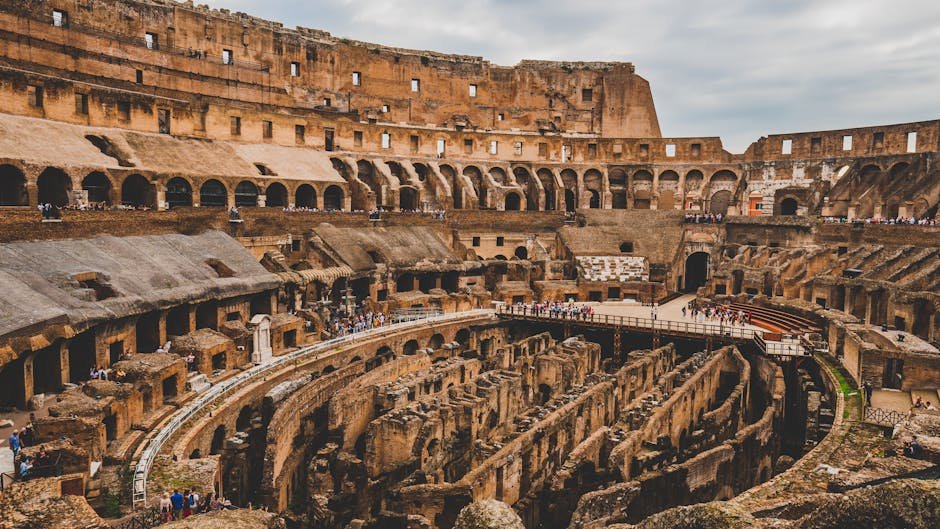
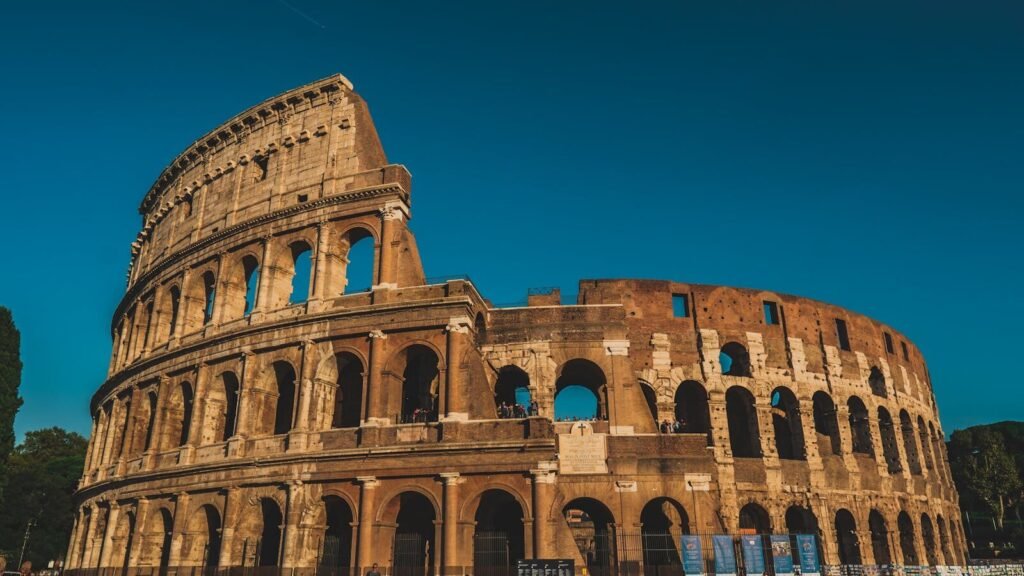
Start with the Colosseum, Roman Forum, and Palatine Hill
Begin your itinerary early in Ancient Rome. This area is ideal for the first day because it introduces the city’s history immediately and is easy to reach by metro. If you have a timed entry, build the morning around that slot.
These sites take time, so avoid overloading the first half of the day. Wear comfortable shoes and expect uneven surfaces in archaeological areas.
Walk toward Piazza Venezia and the Pantheon area
After Ancient Rome, continue on foot rather than jumping back onto transport. A walking route toward Piazza Venezia naturally leads you deeper into the historic center, where Rome’s streets and squares are best experienced slowly.
From there, you can continue to the Pantheon, then on to Piazza Navona if energy allows. These central landmarks are close enough that walking is usually more efficient than waiting for a bus.
Finish at Trevi Fountain or the Spanish Steps
End the day with one of Rome’s most iconic evening areas. Trevi Fountain is especially atmospheric later in the day, while the Spanish Steps area gives you easy access to restaurants and a metro connection for the return journey.
Quick Tip: For your first day, do not try to add the Vatican as well. Ancient Rome alone can easily fill a full, rewarding day.
Day 2: Vatican City and the West Side of the Tiber
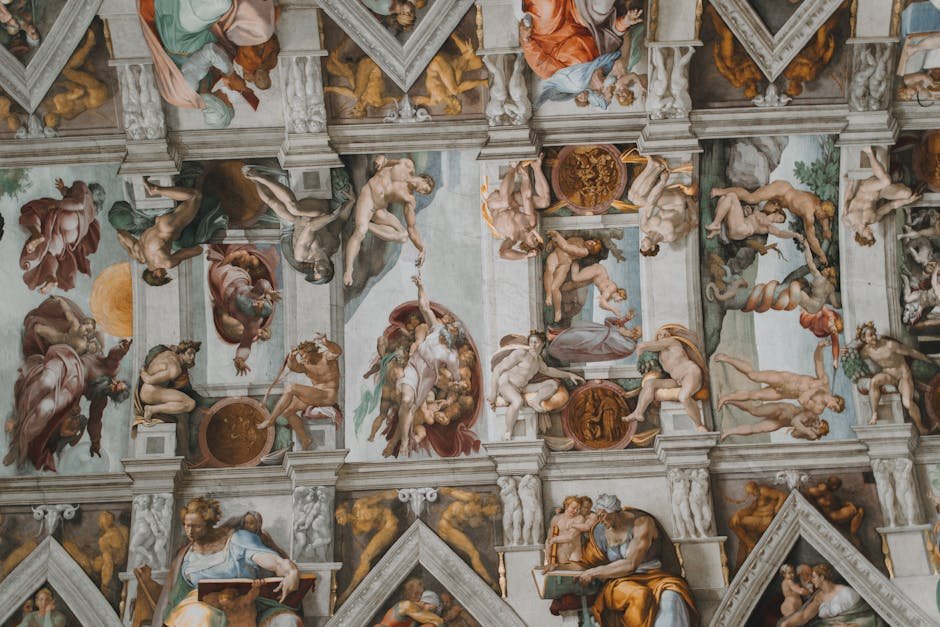
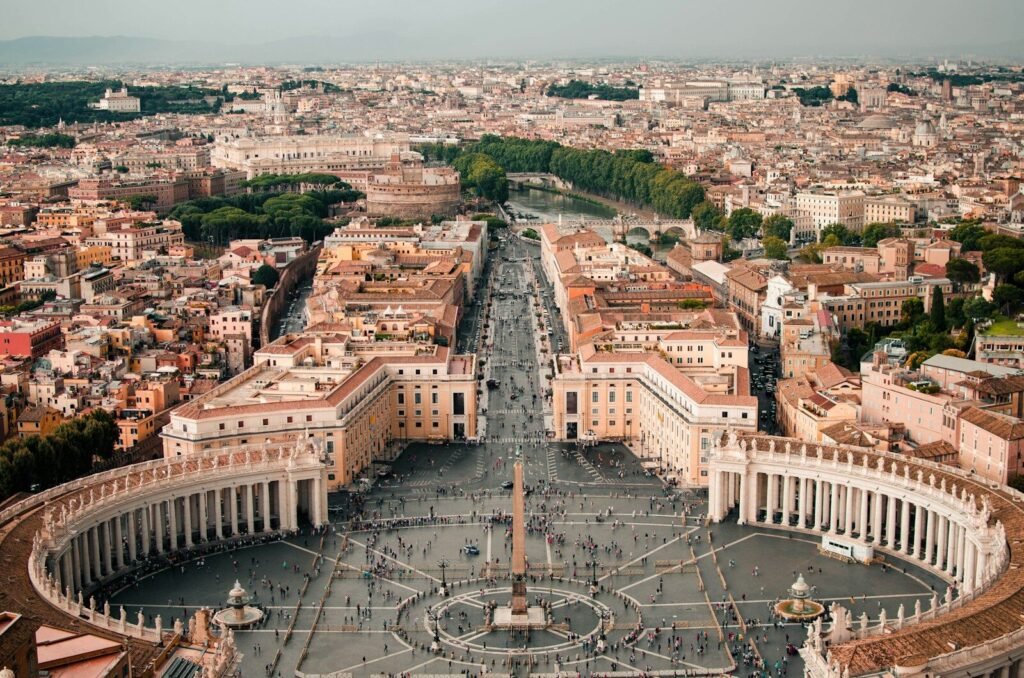
Visit the Vatican Museums or St. Peter’s first
Day 2 works best when focused on the Vatican area. Start early and decide in advance whether your priority is the Vatican Museums, St. Peter’s Basilica, or both. Trying to do everything without a plan can make the day feel rushed.
If both are on your list, keep the rest of the schedule lighter. Security checks and crowd levels can affect timing even when transport goes smoothly.
Explore Castel Sant’Angelo and nearby streets
After the Vatican, walk toward Castel Sant’Angelo. This transition is simple and scenic, and it avoids unnecessary transport for a short distance. The bridge and river views also provide a nice change of pace after museum interiors.
From here, you can either continue on foot into the center or spend more time in the surrounding streets and piazzas west of the river.
Use buses only when they save a meaningful detour
The Vatican side is one of those areas where walking often beats taking multiple short rides. Use a bus or metro if you are returning to your hotel or heading to a different district for dinner, but do not assume transport is always faster for short hops.
For another perspective on how to structure a first-time visit, this 3 day Rome itinerary includes practical ideas about connecting airport arrival and city transport planning.
Day 3: Trastevere, Viewpoints, and a Flexible Final Day
Choose a slower-paced neighborhood morning
Your third day should be more flexible. By this point, you will know whether you prefer churches, viewpoints, food neighborhoods, or one more major attraction. Trastevere is a strong choice for a relaxed morning with character, narrow streets, and plenty of places to stop.
Depending on where you are staying, a bus or tram may be the easiest way to get there. Once you arrive, most of the experience is best enjoyed on foot.
Add a viewpoint or a special-interest stop
This is the day to include something that rounds out your trip. That might be Villa Borghese, a panoramic terrace, a quieter church, or a return to a neighborhood you liked on the first two days.
If your interests lean toward open spaces and slower sightseeing, this final day is also the best time to avoid museum-heavy planning. Rome rewards wandering, especially once the must-see list is complete.
Leave room for delays, shopping, or a long lunch
A perfect 3-day Rome itinerary should not feel like a race until the final hour. Public transport is useful, but Rome can be unpredictable, and your last day benefits from extra breathing room.
This is also a smart moment to revisit a landmark at a different time of day if it was too crowded earlier in the trip.
How to Use Rome’s Public Transport Efficiently
Use the metro for big jumps, not for every move
Rome’s metro is simple and helpful, but it does not reach every part of the historic center. It is best for major connections, such as getting to the Colosseum area, Termini, or near the Vatican side. After that, expect to walk.
Buses fill the gaps, but they require patience
Buses are useful because they reach areas the metro misses, but they can be slower in traffic. For visitors, they are most helpful when the walking distance is too long and there is no direct metro alternative.
Route-planning apps can make a big difference when deciding whether a bus is worth taking. Checking directions before leaving your hotel can save time and confusion.
Stay alert with bags and valuables
Like in many major tourist cities, crowded vehicles and busy stations require awareness. Keep valuables secure, avoid open pockets, and be especially attentive when boarding packed buses or trains.
Quick Tip: If a destination is less than 20 to 25 minutes away on foot through central Rome, walking is often the more enjoyable option.
Common Mistakes First-Time Visitors Should Avoid
Trying to see too much each day
Rome has more major sights than most visitors can comfortably fit into three days. A packed plan may look efficient on paper, but in reality it often leads to fatigue and missed details.
Focus on a few priorities each day and allow the city to unfold between them.
Ignoring travel time between neighborhoods
Even when landmarks look close, Rome’s layout can slow you down. Hills, cobbled streets, intersections, and bus delays all affect timing. Build in margin rather than assuming every connection will be seamless.
Depending entirely on one transport mode
The best Rome itinerary uses a mix of transport methods. If you rely only on buses, only on metro, or only on walking, you may make the trip harder than it needs to be. Flexibility is what makes a car-free visit work well.
Frequently Asked Questions
Is 3 days enough for Rome without a car?
Yes, three days is enough to see Rome’s main highlights without renting a car. The key is to group attractions by area and combine walking with metro and bus rides when needed.
What is the best area to stay in Rome for public transport?
Areas near a metro stop or within easy reach of the historic center are usually the most practical. Staying somewhere central can reduce the number of transport connections you need each day.
Should I use buses or the metro more in Rome?
Use the metro for longer jumps between major districts and buses for places the metro does not reach well. In the historic center, walking is often the simplest option once you arrive in the right area.
Can I visit the Vatican and Colosseum on the same day?
It is possible, but it is not ideal for most first-time visitors. Both areas deserve time, and combining them in one day can make the itinerary feel rushed and transport-heavy.