If you are trying to figure out the best time to visit the Colosseum to minimize crowds, skip-the-line entry helps, but it does not solve everything. You can still face security lines, packed viewing areas, slow photo stops, and bottlenecks on the main levels. The good news is that with the right time slot, day, and route, you can make your Colosseum visit much smoother and fit it into an efficient Rome itinerary.
In this guide, you will learn when the Colosseum is usually quietest, how early or late you should go, whether weekdays are better than weekends, and how to use skip-the-line tickets strategically. You will also find practical tips for combining the Colosseum with the Roman Forum and Palatine Hill without wasting time.
Key Takeaways
- The best time to visit the Colosseum to minimize crowds is usually the first entry of the morning, especially on a weekday.
- Skip-the-line tickets reduce ticket queue time, but they do not eliminate security checks or crowding inside.
- Late afternoon can also work well, but availability, lighting, and access windows may vary by season and ticket type.
- Weekdays are generally easier than weekends, and shoulder or low season travel is more comfortable than peak summer periods.
- A smart route matters: enter promptly, move to upper levels early when possible, and visit the Roman Forum and Palatine Hill in the quieter part of your day.
Why skip-the-line entry does not guarantee a quiet visit
What skip-the-line actually saves you
Skip-the-line entry usually helps you avoid the main ticket purchase line. That is valuable, especially in Rome, where popular attractions can attract long queues.
But it does not mean you walk straight into an empty monument. You still need to pass security, arrive at your timed entry, and share the interior with everyone else booked into the same period.
Where crowds still build up
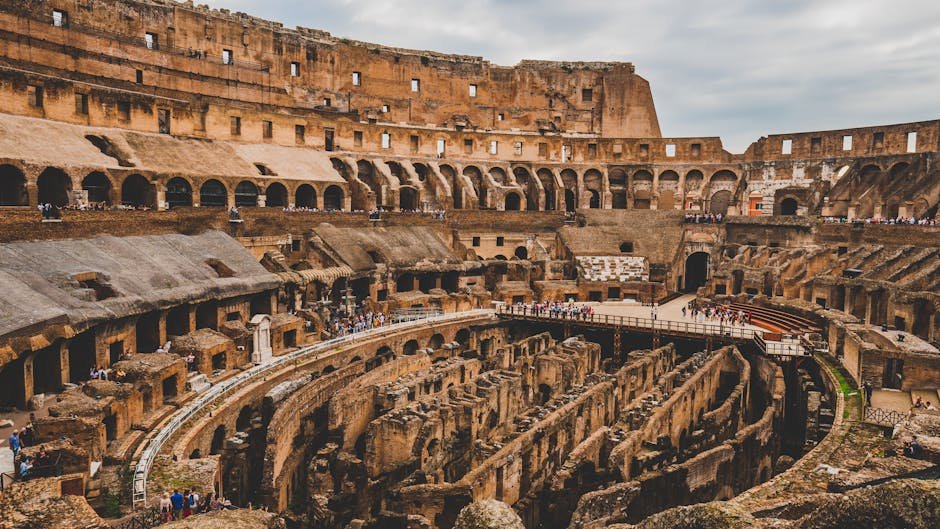
Inside the Colosseum, crowds tend to gather in predictable places. Entry points, the first viewing terraces, photo spots, stairways, and any special-access areas can feel busy even when your ticket process was smooth.
This is why timing matters so much. A skip-the-line ticket at a crowded hour is still a crowded visit.
Best time of day to visit the Colosseum
Early morning is usually the best choice
For most travelers, the first available entry of the day is the best time to visit the Colosseum to minimize crowds. You get ahead of the biggest tour groups, temperatures are more comfortable in warmer months, and the interior is easier to enjoy before the site fills up.
Traveler discussions often point to pre-9am entry as one of the smartest options, especially if you arrive a little early and are ready to enter as soon as access begins. A useful example appears in this Reddit discussion on visiting the Colosseum before 9am.
Quick Tip: If you book the earliest time slot, do not aim to arrive exactly on time. Arriving a bit early gives you a better position for security and helps you get inside before the flow thickens.
Late afternoon can be a good backup
If early morning is sold out, late afternoon is often the next best option. By then, some visitors have already moved on to other sights, and the midday rush may have eased.
That said, this option depends more on season, closing hours, and your ticket type. If you choose a later slot, double-check opening times and last-entry rules using a current guide such as this Colosseum opening hours overview.
Midday is usually the busiest
Late morning through early afternoon is often the least pleasant time to visit. This is when many guided tours, independent visitors, and day-trippers overlap.
Even with a timed ticket, expect more people in the walkways and viewing areas. In hotter months, the heat also makes the experience more tiring.
Best days of the week for fewer crowds
Weekdays usually beat weekends
If your Rome itinerary is flexible, choose a weekday. Weekends tend to attract more local visitors, short-break travelers, and tour groups, which can make the site feel more congested.
Weekday mornings are usually the safest bet if your main goal is efficiency. General travel guidance on the Colosseum also notes that weekdays are typically less crowded than weekends, as highlighted in this visitor guide to the Colosseum.
Try to avoid public-holiday pressure when possible
Even if you have skip-the-line entry, public holidays and peak vacation periods can create heavier demand. The issue is not just the queue outside. It is the total number of people circulating through the monument and surrounding archaeological area.
If your dates are fixed, compensate by booking the earliest available slot and planning the rest of your day around the busiest periods.
Best season to visit for a calmer experience
Shoulder season often offers the best balance
Many travelers find spring and autumn easier than peak summer because the weather is milder and the city can feel less overwhelming. These periods often offer a better balance between comfort and access.
Still, shoulder season is not empty season. Popular attractions in Rome remain busy, so the same timing strategy still matters.
Low season can be quieter overall
If you are visiting Rome in the quieter months, you may find the Colosseum more manageable overall, especially outside major holiday weeks. Lower visitor volume can mean a less rushed experience and easier photo opportunities.
Even then, the first morning entry remains the strongest choice if minimizing crowds is your priority.
How to choose the right entry time for your itinerary
If the Colosseum is your top priority
Book it first thing in the morning. This gives you the most controlled start to the day and leaves the Roman Forum and Palatine Hill for later, when you can explore at a more relaxed pace.
This approach works especially well if you want photos with fewer people in the frame and less waiting at interior choke points.
If you want a slower morning
Choose a later afternoon slot and use your morning for a nearby indoor site, breakfast, or a walk through a quieter neighborhood. This can be a good compromise if you are not an early riser.
Just remember that a late visit leaves less buffer if anything runs behind schedule.
If you are combining multiple major sights in one day
Do not place the Colosseum at midday if you can avoid it. That usually creates the worst mix of heat, crowds, and fatigue.
A practical plan is Colosseum early, break for lunch, then Roman Forum and Palatine Hill afterward, or the reverse with a late-afternoon Colosseum slot.
Best crowd-minimizing strategies even with timed tickets
Arrive early for your slot
Timed entry is not a reason to cut things close. Security lines can still slow you down, and arriving early helps you enter near the front of your time group.
Move quickly to less congested areas
Once inside, do not linger immediately at the first major viewpoint if your goal is space. If your ticket allows access to upper levels or specific sections, head there early before the flow builds.
Some traveler advice also suggests that moving upward sooner can help you avoid the densest clusters near the first areas visitors see.
Book in advance
Advance booking gives you the best chance of securing the earliest or latest slots, which are usually the most useful for avoiding crowds. Waiting until the last minute often leaves you with the busiest times.
General guidance on avoiding crowds at the Colosseum also supports booking early morning or late afternoon entries in advance, as noted in this article on avoiding crowds at the Colosseum.
Travel light
Large bags can slow down security and create unnecessary stress. A small day bag is easier for screening and makes it simpler to move through the site comfortably.
Quick comparison of the best visit times
| Time | Crowd level | Best for | Main drawback |
|---|---|---|---|
| First morning entry | Lowest | Efficient visits, photos, cooler temperatures | Requires an early start |
| Late morning | High | Travelers with fixed schedules | More tour groups and tighter spaces |
| Midday to early afternoon | Highest | Only if no other slots are available | Heat and heavier congestion |
| Late afternoon | Moderate | Slower-paced itineraries, softer light | Less time buffer before closing |
Common mistakes that make the Colosseum feel more crowded
Assuming skip-the-line means no waiting at all
This is probably the most common misunderstanding. Skip-the-line helps, but it does not create a private or empty experience.
Booking the cheapest or only remaining time slot without checking the hour
A bargain ticket at a poor time can cost you comfort and efficiency. If crowd avoidance matters, prioritize the slot over small price differences.
Visiting on a weekend when your schedule is flexible
If you can shift your Colosseum visit to a weekday, do it. That one change can make the whole experience feel easier.
Not planning the surrounding sites
The Colosseum is rarely visited in isolation. If you leave the Roman Forum and Palatine Hill entirely unplanned, you may simply trade one crowded moment for another.
Quick Tip: Build in a short break after the Colosseum. A coffee, water stop, or shaded pause can make the rest of your archaeological visit much more enjoyable.
Frequently Asked Questions
Is early morning really better than skip-the-line at midday?
Yes. If your goal is fewer crowds, early morning is usually better than a midday skip-the-line ticket. Skip-the-line reduces one part of the wait, but it does not reduce the number of people already inside.
How early should I arrive for a Colosseum timed entry?
Arriving a little before your scheduled time is a smart idea, especially for an early slot. This gives you time for security and helps you enter with less stress.
Are weekdays much better than weekends at the Colosseum?
In general, yes. Weekdays are usually more manageable, especially in the morning. Weekends often feel busier because more visitors overlap at the site.
What is the best time to visit the Colosseum in summer?
In summer, the earliest available morning entry is usually the best option. It helps you avoid both the strongest heat and the thickest crowds later in the day.