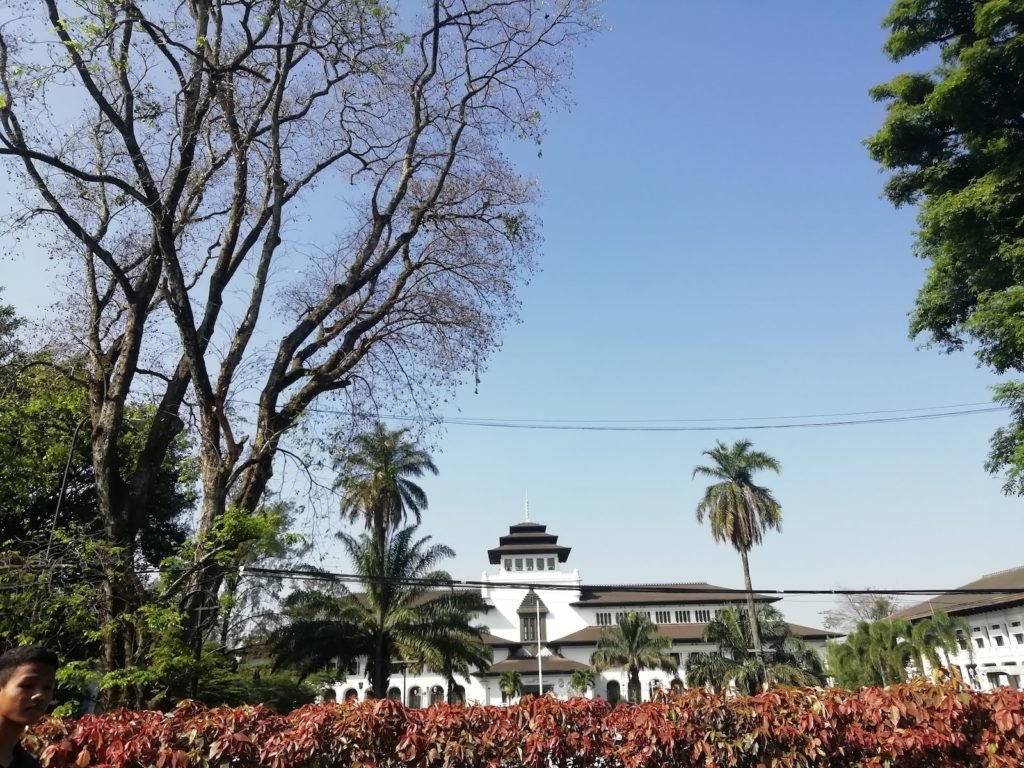
Planning a short trip sounds easy until you try to fit everything into one long weekend. Many first-time travelers either overpack their schedule, waste time crossing the city repeatedly, or leave the best sights until they are too tired to enjoy them. If you want to know how to plan a 3-day city break without feeling overwhelmed, this simple itinerary framework will help you make smart choices before you go.
In this guide, you will learn how to choose priorities, map activities by area, build a realistic day-by-day plan, and leave enough flexibility for meals, transport, and unexpected changes. The goal is not to create a perfect trip on paper. It is to build a practical 3-day city break itinerary that helps you enjoy the city instead of managing chaos.
Key Takeaways
- Start with a clear trip goal, such as food, landmarks, culture, or a balanced first-time overview.
- Group attractions by neighborhood to reduce travel time and make each day feel smoother.
- Plan one main anchor activity per half-day rather than trying to do everything.
- Leave space for meals, transit, queues, and breaks so your itinerary stays realistic.
- Use a simple framework: arrival day, full exploration day, and final day with lighter plans.
Start with your trip goal before you build the itinerary
Decide what kind of city break you actually want
The fastest way to make a messy plan is to start with a huge list of things to do. Before booking museums, restaurants, or tours, decide what this 3-day city break is meant to feel like. Are you going for famous sights, slow wandering, shopping, nightlife, food, or a mix?
For first-time city-break travelers, a balanced goal usually works best. That means choosing a few headline attractions, one or two local experiences, and enough free time to enjoy the city atmosphere.
Choose your top priorities
Write down three non-negotiables for the trip. These are the places or experiences that would make the break feel worthwhile even if the weather changes or you have less energy than expected.
- One must-see attraction
- One neighborhood or area you want to explore
- One food, cultural, or evening experience
This step keeps your itinerary focused. It also helps you avoid booking too much too early.
Gather ideas and sort them into a usable shortlist
Create a rough master list
Once you know your priorities, collect options for sights, food stops, viewpoints, parks, markets, and museums. At this stage, do not worry about the exact order. Just build a shortlist of places that genuinely fit your interests.
A helpful planning method is to save locations in a map and then group them by area. Resources such as this guide to building an itinerary and this step-by-step trip planning article both reflect a practical idea: plan days around sections of the city rather than jumping back and forth.
Cut the list down
For a 3-day city break, your shortlist should stay tight. A good rule is to keep more ideas than you need, but not so many that every hour becomes a decision.
- 3 to 4 major sights
- 2 to 3 neighborhoods worth walking around
- A few meal options for each day
- 1 backup indoor activity in case of bad weather
Quick Tip: If two attractions are similar, pick the one that is easier to reach or more meaningful to you. Convenience matters on a short trip.
Map the city by area to save time and energy
Why neighborhood planning works
The biggest mistake on a short city break is treating the city like a checklist instead of a map. Even if distances look short online, transport changes, walking, queues, and navigation can eat up hours.
Grouping activities by neighborhood helps you spend more time experiencing the city and less time commuting. It also makes each day feel more natural.
Build simple area-based clusters
Open your preferred map app and pin your shortlist. Then look for clusters. You will usually notice that several attractions, cafes, and streets you want to see are already near each other.
You can turn those clusters into day themes, such as:
- Historic center and major landmarks
- Museum district and nearby park
- Local neighborhood, market, and evening food area
If you like structured planning tools, this itinerary template guide is useful for organizing city days by objectives and location.
Use a simple 3-day city break framework
Day 1: Arrival and a light first look
Your first day should be easy. Even if you arrive early, travel takes energy, and delays are always possible. Plan one main activity and one flexible evening option.
Good Day 1 choices include a scenic walk, a central neighborhood, a casual food market, or a viewpoint. Avoid booking too many timed entries unless your arrival is very predictable.
Day 2: Your main sightseeing day
This is usually your fullest day, so place your top priorities here. Start with the most important sight or experience in the morning, when energy is highest and popular places may be less crowded.
Then build the rest of the day around nearby attractions, lunch, a rest stop, and an evening plan. Keep the schedule full but not packed.
Day 3: One more highlight plus a soft landing
Your final day should depend on your departure time. If you leave late, you may have time for one more major attraction and a relaxed meal. If you leave early, keep it simple and stay close to your accommodation or station.
This day works best for lower-pressure plans such as a museum, shopping street, brunch area, or short neighborhood walk.
| Day | Best Focus |
|---|---|
| Day 1 | Arrival, orientation, light sightseeing, easy dinner |
| Day 2 | Main attractions, strongest energy, fuller schedule |
| Day 3 | Final highlight, flexible timing, easy departure |
Build each day with realistic pacing
Plan in blocks, not every minute
Many first-time travelers try to assign a fixed time to every stop. That often creates stress because real travel days are not that precise. A better method is to plan in blocks: morning, lunch, afternoon, and evening.
Within each block, choose one anchor activity and one or two optional nearby stops. That gives you structure without making the day fragile.
Leave room for the hidden time costs
A realistic 3-day city break itinerary must include the time people forget to count:
- Getting ready and leaving accommodation
- Walking to stations or bus stops
- Queues and security checks
- Meal service time
- Rest breaks and bathroom stops
- Getting lost or changing plans
If a day looks perfect only when everything runs exactly on time, it is too full.
Quick Tip: Aim for two major activities a day, not five. Short trips feel better when you remember what you saw instead of rushing through it.
Book the right things in advance and leave the rest flexible
What to book before the trip
Advance booking makes sense for anything that is time-sensitive or likely to sell out. This may include major attractions, transport between airport and city, special restaurants, or accommodation in a central area.
For a short break, central accommodation is often worth the extra cost because it reduces daily travel time. Saving 30 minutes each way can transform the whole trip.
What to keep open
Not everything should be fixed in advance. Leave some meals, casual walks, and smaller stops unbooked so you can adjust for weather, mood, and energy.
This balance gives you security where it matters and freedom where it helps. That is often the sweet spot for a first city break.
Avoid the most common 3-day city break mistakes
Trying to see the whole city
A city break is not meant to cover everything. If you try to do all the famous attractions, all the best food spots, and all the trendy neighborhoods in three days, the trip will feel like admin.
Choose a version of the city that fits your time. You can always return.
Ignoring transport reality
Look beyond straight-line distances. A place that seems close may involve multiple metro changes, a steep walk, or a long queue once you arrive.
Always check how places connect in real terms, especially if you have an early departure or a timed entry.
Forgetting rest and meals
Short city breaks are exciting, but they can be physically tiring. Walking all day, carrying bags, and navigating unfamiliar streets adds up quickly.
Plan proper meal windows and at least one slower moment each day. A coffee stop in the right place can improve the whole itinerary.
Create a simple itinerary you can actually use on the trip
Keep the final plan short and clear
Your finished itinerary should be easy to read on your phone. You do not need a long document. A simple note, spreadsheet, or map with the essentials is enough.
Include:
- Accommodation address
- Arrival and departure details
- Booked times and confirmation references
- One main plan for each half-day
- Saved food options nearby
- A backup plan for bad weather
Example of a balanced 3-day structure
Here is what a simple framework might look like:
- Day 1: Check in, walk central district, casual dinner, early night
- Day 2: Major landmark in the morning, lunch nearby, museum or neighborhood walk, evening food area
- Day 3: Brunch, one final attraction or shopping street, collect bags, depart
This kind of plan is realistic, easy to adjust, and suitable for most first-time city-break travelers.
Frequently Asked Questions
How many activities should I plan for a 3-day city break?
For most travelers, two major activities per day is enough. You can add smaller stops nearby, but leaving space between plans makes the trip smoother and more enjoyable.
Should I book everything before a city break?
No. Book the essentials such as accommodation, major attractions with timed entry, and any transport that affects your schedule. Leave some meals and smaller activities flexible.
What is the best way to organize a city break itinerary?
The easiest method is to group places by neighborhood and plan each day around one area. This reduces travel time and helps your itinerary feel logical.
How do I avoid overplanning my city break?
Focus on your top three priorities, plan in half-day blocks, and leave room for meals, transport, and rest. If every hour is full, the itinerary is probably too ambitious.