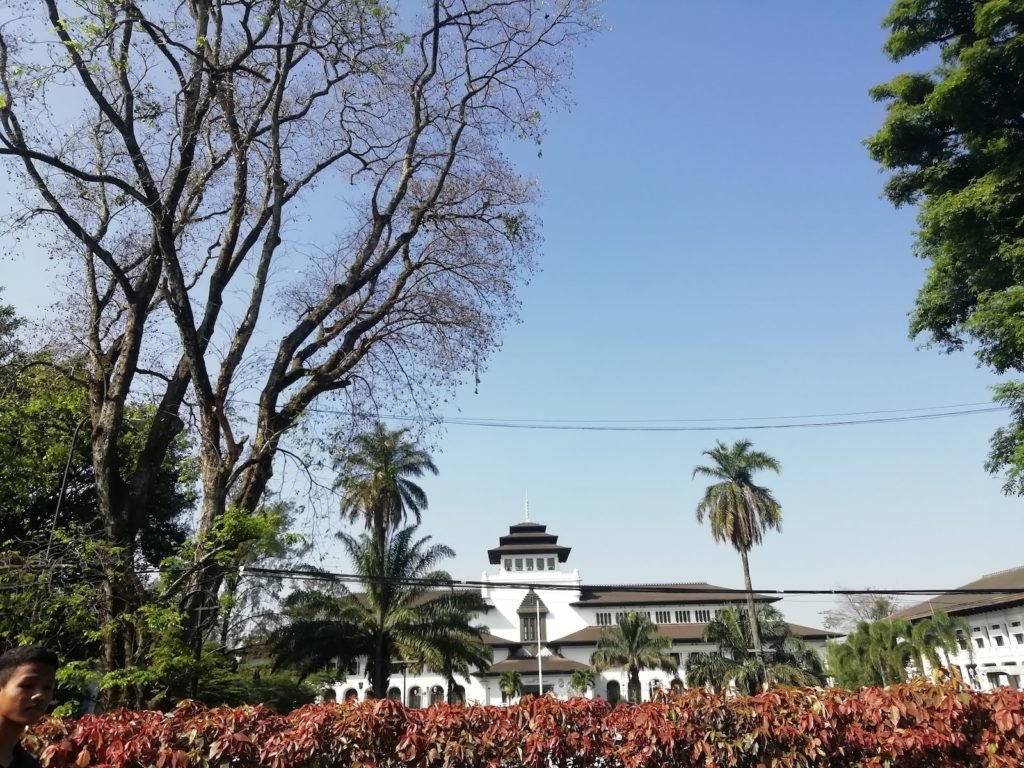
If you are asking what is a historical landmark?, the simplest answer is this: it is a place valued for what it reveals about the past, not just because it is old. A landmark might be a temple ruin, a preserved street, a battlefield, a sacred site, or an ordinary-looking building tied to an important event or community story.
For travelers, those distinctions are useful. A UNESCO label, a national monument designation, and a listed heritage building do not mean the same thing, and each tells you something different about why a place matters and what kind of visit to expect.
Key Takeaways
- Age alone does not make a place a historical landmark; significance is the real test.
- Landmarks can include districts, ruins, memorials, industrial sites, and sacred landscapes, not only famous monuments.
- UNESCO status signals international importance, while national and local designations often give better country-specific or neighborhood context.
- A protected label can help with preservation and interpretation, but it does not guarantee an easy or rewarding visit.
- The best heritage stops match your interests, available time, and access needs, not just their fame.
What is a historical landmark?
A historical landmark is a site considered important enough to be documented, protected, or interpreted because it helps explain a past era, event, culture, or way of life. Its value may be historical, architectural, cultural, social, or a mix of all four.
That is why old age by itself is not enough. An old warehouse or house may survive for centuries without carrying wider meaning, while a newer memorial or civic building can become a landmark quickly if it marks a major turning point. What matters is whether the place has a clear, recognized reason to matter.
The category is broader than many beginners expect. Historical landmarks can be:
- single buildings such as churches, stations, forts, or theaters
- archaeological ruins and excavation sites
- historic districts and town centers
- battlefields, cemeteries, and memorial complexes
- sacred places, pilgrimage routes, and cultural landscapes
Strong landmarks often combine several kinds of significance. A mosque, castle, bridge, or market hall may matter both for its design and for the history attached to it.
How landmark status is decided
Official recognition usually comes from a city authority, a national heritage body, or an international organization. Public opinion can raise awareness, but formal status normally depends on research, documentation, and legal protection.
When experts assess a site, they usually look at its significance, authenticity, rarity, condition, and integrity. They also ask practical questions: What survives today? Are the boundaries clear? Can the place be managed and protected over time?
Not every important site is officially listed. Some are privately owned, poorly researched, politically sensitive, damaged, or simply overlooked. For travelers, that is a useful reminder: lack of a famous label does not automatically mean lack of value.
UNESCO sites, national monuments, and heritage buildings
UNESCO World Heritage Sites
A UNESCO World Heritage Site is recognized for outstanding universal value. The official criteria for selection make clear that inscription is based on specific standards, not popularity, and the World Heritage List shows how wide the category is.
For trip planning, UNESCO is a strong shortcut when you want a place with global significance. It is less helpful when you want a neat, self-contained attraction, because a listing may cover an entire city center, landscape, or group of sites rather than one simple stop.
National monuments and national historic designations
National designations usually identify places that matter especially within a country’s own history, identity, or public memory. They often give better context for wars, political change, independence movements, or notable public figures than UNESCO alone.
The downside is that the label is not consistent from one country to another. In the United States, for example, a National Historic Landmark can be a building, district, site, structure, or object, but that wording will not match every heritage system elsewhere.
Heritage buildings and listed properties
Heritage buildings are often individual structures protected for their architectural, historical, or local cultural value. This category includes houses, civic buildings, places of worship, factories, shops, and other parts of everyday urban life.
These sites can be especially rewarding if you like local texture rather than headline attractions. Their limitation is obvious: many are not museums. Some are still used as homes, offices, or active religious spaces, so access may be partial or nonexistent.
One place can hold more than one label at once. A castle might sit inside a historic district, carry national protection, and also form part of a UNESCO listing. Those labels do not compete with each other; they describe different levels of significance.
Which label helps most when planning a trip?
| Label | Best for | Main strength | Main limitation |
|---|---|---|---|
| UNESCO World Heritage Site | First-time cultural travelers choosing major sights | Clear sign of international importance | The site may be broad, crowded, or harder to grasp without extra reading |
| National monument or national historic designation | Travelers who want a country’s own historical context | Usually stronger for national memory, politics, and identity | Meaning varies by country, so labels are not directly comparable |
| Heritage building or listed property | Architecture lovers and slower travelers | Reveals everyday history and local character | Access may be limited and interpretation can be minimal |
A balanced itinerary often uses all three. UNESCO sites work well as anchors, national designations explain the country’s priorities, and smaller listed buildings fill in the lived history between major stops.
How to judge whether a landmark is worth your time
- Check what is actually protected. A famous name may refer to one facade, a whole district, or a large landscape. The part you imagined visiting may not be the core of the site.
- Look for the story, not only the photo. Ask what happened there, who used the place, and why it still matters. If the answer stays vague, the site may be attractive without being essential.
- Match the visit to your interests. A crowded UNESCO district may be less rewarding for you than a small rail station, memorial, or market building if architecture, labor history, or religion is your real interest.
- Check access before you commit time. Heritage status often comes with limits: timed entry, dress rules, closed rooms, restoration work, or outside-only viewing.
Protected status can improve signage, conservation, and visitor information, which is helpful when time is tight. It can also create friction. Sacred sites may restrict behavior, fragile ruins may close sections, and major landmarks sometimes need more context than travelers expect.
Common mistakes people make
- Assuming every old building is a landmark. Old age is only a clue; historical weight still needs to be shown.
- Confusing popularity with significance. A scenic viewpoint or themed attraction can draw crowds without having real heritage value.
- Using UNESCO as the only filter. Many of the most revealing places in a city are protected only nationally or locally.
- Expecting every important site to feel untouched. Restoration does not automatically erase value. The better question is whether the place still communicates its original story clearly.
A simple checklist for deciding if a place is a historical landmark
- Identify the site’s main claim to importance: event, architecture, culture, person, or community memory.
- See whether that claim is formally recognized or at least well documented by a credible source.
- Confirm what survives today and what visitors can actually access.
- Decide whether the site adds real understanding to your trip, not just another stop on the map.
FAQ
What is a historical landmark in simple terms?
It is a place valued because it helps people understand the past through its history, architecture, culture, or role in collective memory.
Is every UNESCO site a historical landmark?
No. Many UNESCO sites are historical, but some are listed mainly for natural value. UNESCO recognition is broader than the idea of a historical landmark.
Can a private building be a heritage landmark?
Yes. A building can have protected heritage status even if it is privately owned, which is one reason some listed places are not open to visitors.
Does a landmark have to be very old?
No. Some modern sites gain landmark status because of their political, cultural, or social importance. Significance matters more than age alone.