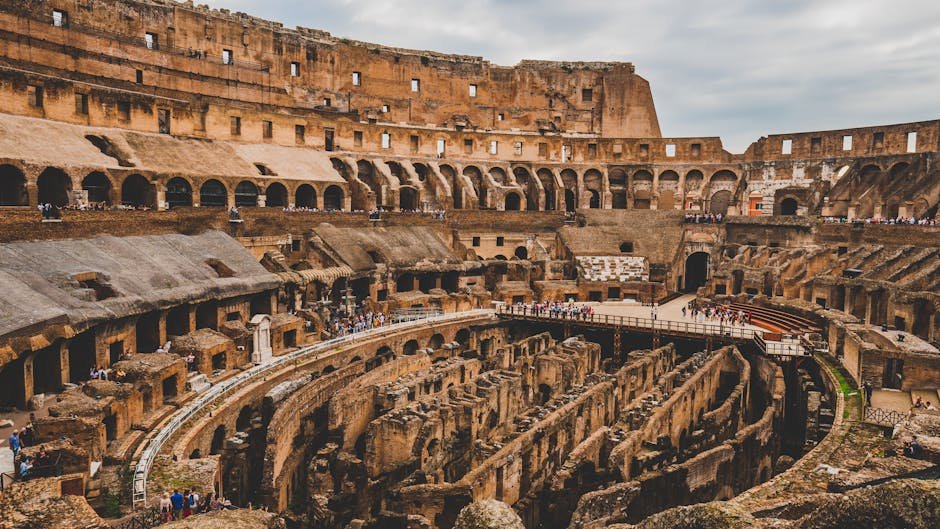
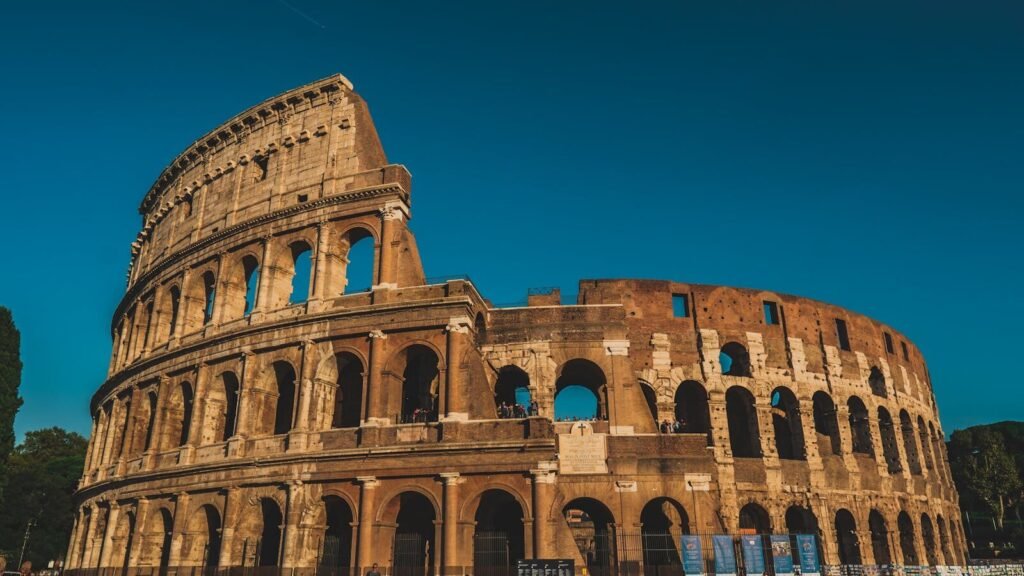
If you need a Guide to Colosseum timed entry and skip-the-line tickets, the hardest part usually is not paying for the ticket. It is figuring out what your time slot really controls, where waiting still happens, and how much room you have if transport or directions go wrong.
This guide breaks the process into the decisions that matter: which ticket type fits your trip, how to choose a workable entry time, what to save after booking, and what to expect from the moment you reach the entrance until you are inside.
Popular tours and activities
One of the best ways to get more out of a trip is to add a few well-chosen experiences along the way. Below, you’ll find tours and activities that can help you see more and discover a different side of it.Key Takeaways
- The Colosseum entry slot is usually strict, so treat it like an appointment rather than a flexible pass.
- Skip-the-line normally means skipping the purchase queue or using a prebooked line, not skipping security screening.
- Morning entries are usually easiest for heat and pacing; late afternoon can work well for light and a calmer finish.
- Before you leave, save your ticket, QR code, booking email, meeting point details, and the ID linked to the reservation.
- If you are late, entry may be at risk, so build extra time into your route to the site.
Guide to Colosseum timed entry and skip-the-line tickets: what the entry time really means
At the Colosseum, your ticket is usually attached to both a date and a specific entry time. If your booking says 10:30, that is the time staff expect you to enter. It is not a general suggestion to show up at some point that morning.
The strict part is usually the Colosseum itself. The Roman Forum and Palatine Hill are often included with the same booking, but those areas may have broader access rules depending on the seller and ticket type. The safest way to think about it is simple: the Colosseum is the fixed appointment, while the rest of the archaeological area may be more flexible.
Skip-the-line is where expectations often go wrong. It usually means you avoid the slowest on-site ticket-buying line or use an entrance flow for prebooked visitors. It does not mean walking past checks and going straight inside. Even a useful overview of how Colosseum skip-the-line access usually works makes the same point: booking ahead cuts unnecessary waiting, but security remains mandatory.
Which ticket type is right for your trip
The best ticket depends less on the monument and more on how much day-of friction you are willing to manage yourself.
| Option | Best for | Not ideal for | Main advantage | Main limitation |
|---|---|---|---|---|
| Standard timed entry | Independent travelers who are comfortable reading instructions carefully | Visitors who want help navigating the entrance process | Usually the cheapest and simplest way to lock in a slot | You handle timing, directions, and any confusion yourself |
| Skip-the-line timed entry | Travelers who want a smoother entry process and less uncertainty | Strict budget travelers | Can reduce time wasted in the wrong queue or purchase line | You pay extra for convenience, not for more access inside |
| Guided tour | First-time visitors who want the history explained as they go | People who want to wander entirely at their own pace | Adds context and often makes the meeting process clearer | You follow a group schedule |
| Arena floor or upgraded access | Visitors who want a more specific or memorable route | Travelers who only need a basic visit | Feels more distinctive than standard admission | Costs more and usually has fewer available time slots |
A basic timed ticket is enough for many travelers. If your goal is to enter on time, see the monument, take photos, and move on, paying extra may not improve the experience much. If you want extra context, easier logistics, or a more specialized route, the upgrade starts to make more sense.
Many tickets also include the Roman Forum and Palatine Hill. That is often good value, but only if you have enough time and energy to use it. A combined ticket can feel wasted on a rushed afternoon. For a clearer description of how sellers present these combinations, this ticket explanation for the Colosseum, Forum, and Palatine is a helpful example.
More ways to explore
Beyond the main sights, there are often plenty of tours and experiences that can add something extra to your trip. Below, you’ll find a selection of options that may be worth considering while planning your visit.How to choose the best time slot
If you have options, morning is usually the safest choice. You avoid the strongest heat, you are less likely to feel rushed, and you leave room for the Forum and Palatine later in the day. Late afternoon can also work well if you prefer softer light and a more relaxed finish.
Midday is often the least comfortable slot. The site feels hotter, the rest of the archaeological area is harder to tackle afterward, and the visit can become more tiring than expected.
- Early morning: best for comfort, energy, and combining multiple sites.
- Late afternoon: good for photos and travelers who do not want an early start.
- Midday: workable if necessary, but rarely the easiest option.
If you plan to do the Colosseum, Roman Forum, and Palatine Hill properly, think in half-day terms rather than a quick stop. Many travelers need roughly 3 to 5 hours total once walking, breaks, and heat are factored in.
During busy periods, availability can matter more than the queue itself. Book as soon as your dates are fixed, and give yourself extra travel time on the day. General advice like this practical Colosseum ticket guide often suggests earlier arrival in high-demand periods, but your own confirmation should always be the rule you follow first.
How to book without making an avoidable mistake
Before you pay, check the details travelers most often gloss over:
- The exact date and local time, plus a backup slot in case your first choice is unavailable
- What is included: Colosseum only or also the Roman Forum and Palatine Hill
- How entry works: direct entry, hosted entry, or a separate meeting point
- Whether names, ID, or special ticket categories are required
- The change, cancellation, or refund terms
When you reach checkout, pause before confirming. Make sure the date is in the right month, the number of travelers is correct, names are spelled properly if required, and you understand whether Forum and Palatine access follows different timing rules.
Right after booking, save more than one copy of everything: the confirmation email, PDF or QR code, a screenshot of the order number, the meeting point or entrance instructions, and any support contact listed by the provider.
What to do before your entry time
Your booking confirmation is the first authority. If it tells you to arrive at a specific time, use that. If the instructions are vague, aim to be in the entrance area about 20 to 30 minutes early. That is usually enough time to find the right line without turning the visit into a stressful sprint.
Bring the ID linked to the reservation if names appear on the ticket. Keep your ticket open on your phone before you reach the front, and raise screen brightness if needed. A charged phone, a small bag, and water are useful; bulky luggage and overpacked bags only slow security down.
Even with skip-the-line access, everyone still goes through screening. The most reliable way to move through faster is to travel light, have your code ready, and avoid bringing items that create extra checks.
Step by step at the entrance
- Find the correct starting point. Standard tickets, hosted entries, guided tours, and some upgrades can use different lines or nearby meeting points.
- Show the full booking details. Staff may need the time slot, ticket type, and name, not just the barcode.
- Pass ticket validation. Your QR code is usually scanned before you reach security.
- Go through security screening. This step still applies even when the ticket says skip-the-line.
- Enter and start the visit. Once you are inside, the timed part is largely over; the slot controls entry, not every minute you spend in the monument.
If you arrive early, you may be asked to wait until your slot is closer. If you arrive on time, you usually move into the normal validation flow. If you arrive late, do not assume there will be a grace period. Contact the seller or tour provider immediately if a delay threatens your entry.
Common mistakes and what to do if plans change
- Wrong date, wrong name, or wrong ticket category: this is the easiest mistake to prevent and one of the hardest to fix on the spot.
- Assuming skip-the-line means no waiting: security can still create a queue even when your booking is perfectly valid.
- Going to the wrong entrance: many missed slots start with a line that looked right but was not.
- Confusing Colosseum timing with Forum and Palatine access: always check those rules separately.
- Relying on one email only: weak signal, app logouts, or inbox chaos can slow you down at the worst moment.
If your plans change, check the policy you agreed to when you booked. Some tickets are strict and nonrefundable, while others allow changes up to a deadline. If your QR code or app will not load on the day, switch to a saved screenshot or downloaded PDF first, then contact support using the details in your confirmation.
Quick checklist before you leave for the Colosseum
- Ticket downloaded and screenshot saved
- ID packed and matching the reservation details
- Time slot checked one last time
- Correct entrance or meeting point confirmed
- Enough travel buffer built into your route