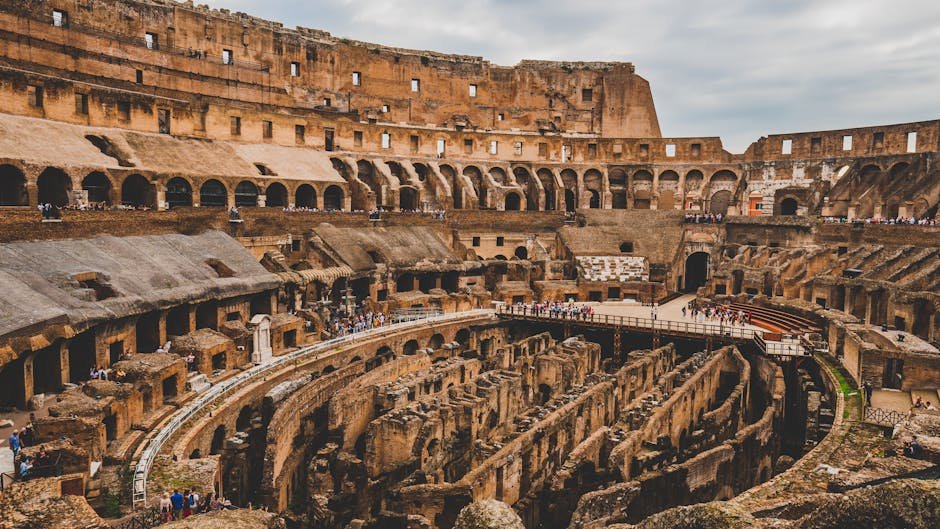
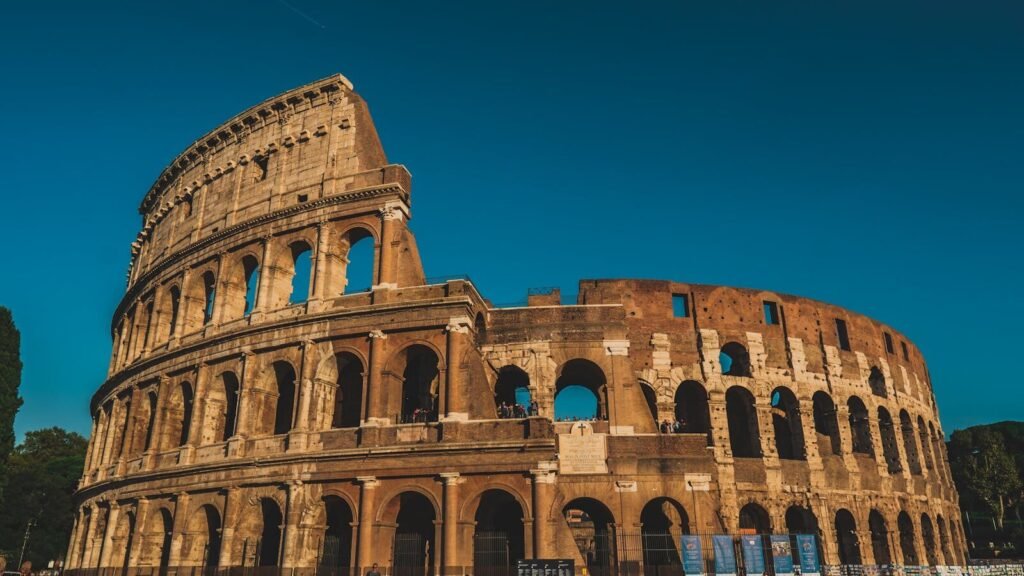
Choosing the best skip-the-line guided tour of the Colosseum is less about avoiding a queue and more about choosing the right kind of interpretation. The Colosseum can impress on a self-guided visit, but history lovers usually want more than a dramatic ruin: they want to understand how the amphitheater worked, how it projected imperial power, and how it connected to the Forum and Palatine Hill nearby.
The strongest tours do three things well. They include the right access level, use a guide who can explain more than standard gladiator stories, and leave enough room for the wider archaeological setting. If you want expert context rather than a rushed pass through the site, this is the framework to use before booking.
Popular tours and activities
One of the best ways to get more out of a trip is to add a few well-chosen experiences along the way. Below, you’ll find tours and activities that can help you see more and discover a different side of it.Key Takeaways
- For most history-focused visitors, the best value is a tour that covers the Colosseum, Roman Forum, and Palatine Hill together.
- “Skip-the-line” usually means reserved timed entry, not skipping security or every wait.
- Arena access adds atmosphere, while underground access adds more operational detail. Neither is automatically the best choice for every traveler.
- Smaller groups usually improve what matters most to enthusiasts: audibility, pacing, and room for questions.
- Before booking, confirm the access areas, whether admission is included, the group size, and how much time is spent beyond the Colosseum itself.
How to choose the best skip-the-line guided tour of the Colosseum
A worthwhile tour should make the monument easier to read. A strong guide can explain seating by social rank, circulation routes, engineering choices, later reuse, and the political message built into public spectacle. Without that layer of interpretation, many visitors leave with memorable views but only a partial understanding of what they saw.
It also helps to read “skip-the-line” carefully. In most listings, it means your timed entry is arranged in advance so you avoid the ticket-purchase queue. You should still expect security screening and occasional waits at checkpoints. And unless the listing clearly says “arena floor” or “underground,” assume those areas are not part of the route.
For visitors who care about Roman history rather than a quick photo stop, a Colosseum-only tour is rarely the strongest choice. The amphitheater makes far more sense when it is tied to the civic center of the Forum and the imperial setting of Palatine Hill. That broader frame is why standard three-site tours remain the most balanced format for many travelers.
Colosseum tour types compared
Most travelers are choosing between a few core formats. If you want a quick sense of how major providers package them, the U.S. News overview of Colosseum tours with skip-the-line access is a useful comparison point.
| Tour type | Best for | Main strength | Trade-off |
|---|---|---|---|
| Standard Colosseum + Forum + Palatine | First-time visitors | Gives the clearest overall picture of ancient Rome in one visit | Covers a lot of ground, so individual areas may be treated briefly |
| Arena floor tour | Visitors who want a stronger sense of spectacle | Puts you closer to the scale, sightlines, and crowd experience | Often adds atmosphere more than extra historical depth |
| Underground tour | Serious enthusiasts focused on mechanics and staging | Shows how fighters, animals, and scenery were managed below the arena | Costs more and usually has tighter availability |
| Small-group tour | Travelers who want discussion and clearer commentary | Better pacing and more room for questions | May not include any special-access areas |
| Private tour | Couples, families, or niche-interest travelers | Flexible route and commentary tailored to your interests | You pay mainly for customization, not necessarily extra access |
Arena and underground formats are the main upgrades travelers compare. If you want examples of how those special-access versions are commonly sold, this roundup of Colosseum arena and underground tours shows the usual variations.
Which format fits your interests?
If you want the best first visit
Choose a standard guided tour that includes the Colosseum, Roman Forum, and Palatine Hill. It offers the widest historical context and usually the best balance of substance and price. Its limitation is depth: if you already know the basics, it may feel broad rather than especially specialized.
More ways to explore
Beyond the main sights, there are often plenty of tours and experiences that can add something extra to your trip. Below, you’ll find a selection of options that may be worth considering while planning your visit.If spectacle matters more than hidden infrastructure
Pick an arena floor tour. Standing at arena level makes the building easier to imagine as a performance space rather than a shell of stone. It is a strong fit for visual learners, but not always the best choice if your main goal is deeper analysis.
If you care about logistics, engineering, and how the games functioned
Choose underground access. This is often the most rewarding upgrade for repeat visitors or detail-oriented history lovers because it shifts the focus from image to system. The downside is straightforward: higher cost, tighter scheduling, and fewer available slots.
If you plan to ask questions
Prioritize group size over flashy access labels. Even an excellent guide becomes harder to follow in a large group moving through a crowded site. Small-group tours usually offer better audibility, smoother pacing, and more chance to explore topics like restoration, social hierarchy, or imperial propaganda in detail.
If you want the visit tailored around a specific theme
Private tours work best when you already know what you want from the site. They are especially useful for travelers focused on one angle, such as architecture, imperial biography, or Roman daily life. For a casual first visit, though, the premium often buys more flexibility than most people actually need.
What to check before you book
- Match the tour to your main interest. Architecture-focused visitors should look for commentary on design, circulation, and reconstruction. If gladiatorial culture is the main draw, arena or underground access becomes more worthwhile. If imperial history matters most, make sure the Forum and Palatine Hill receive real time, not a rushed pass-through.
- Check whether admission is truly included. Some listings bundle the guide and the entry ticket; others separate them. If the wording is vague, do not assume.
- Know the difference between guided tour, hosted entry, and priority access. Hosted entry may only mean someone escorts you to the gate before you continue alone. That is very different from a guide-led historical visit.
- Read reviews for guide quality, not just logistics. Comments about smooth entry are useful, but history lovers should look for mentions of insight, clear explanations, and thoughtful answers to questions.
- Check walking demands and pacing. The Colosseum, Forum, and Palatine Hill involve uneven ground and a fair amount of movement. A half-day deep dive is excellent only if you have the energy to enjoy it.
Common booking mistakes
- Assuming every guided tour includes the arena or underground. Those are separate access levels, and listings usually state them explicitly when they are included.
- Choosing the cheapest option without checking guide expertise. Budget tours can work, but they often save money through larger groups or thinner interpretation.
- Ignoring how much time is spent outside the core sites. Pre-entry explanation can add value, but a vague itinerary sometimes hides a rushed visit once you are inside.
- Booking the wrong length for your attention span. A short tour can be more satisfying than an ambitious half-day visit if you are already tired or visiting in difficult weather.
- Waiting too long to book. The most appealing combinations of timing, group size, and special access are usually the first to become scarce.
When paying more is worth it
Higher prices make sense when the upgrade is concrete. Underground access, a genuinely small group, a longer three-site itinerary, or a guide format built for discussion can all justify a premium. Price by itself is not a sign of quality.
If your main goal is a strong introduction to ancient Rome, a well-run standard tour is often enough. Many first-time visitors do not need private guiding or restricted-area access to have a rewarding visit. Spend more when it clearly buys either better interpretation or access you know you will value.
Practical tips for a smoother visit
- Arrive early enough to find the meeting point without stress; timed-entry tours are not very forgiving if you are late.
- Bring stable shoes and travel light. Security checks and uneven surfaces are part of the experience.
- If timing is flexible, early or late tours are often more comfortable than midday visits.
- Ask questions that go beyond the obvious, such as what is original versus reconstructed, or how the amphitheater connected politically to the Forum and Palatine.
FAQ
Is a skip-the-line Colosseum tour worth it?
Yes, especially if you want expert context as well as reserved entry. For history lovers, the explanation is usually more valuable than the time saved in line.
Which Colosseum tour is best for first-time visitors?
A standard tour covering the Colosseum, Roman Forum, and Palatine Hill is usually the strongest first choice because it gives the site proper historical context.
Do you need underground access for a good experience?
No. Underground access is rewarding for visitors who want operational detail, but a strong standard tour can still provide an excellent historical visit.
What is the most important thing to verify before booking?
Confirm the exact access areas, whether tickets are included, and whether the product is a true guided tour rather than hosted entry.