Choosing wheelchair-friendly accessible tours in Rome is less about the label and more about the route. In Rome, transport, paving, entry procedures, and pacing often matter more than the attraction name itself. A tour can sound accessible online and still turn into a tiring day once cobblestones, side entrances, or long waits are involved.
This guide is for wheelchair users, slower walkers, and families planning inclusive sightseeing. It focuses on how to compare tours before you pay, which route styles are usually easier, and where Rome rewards careful planning most.
Key Takeaways
- In Rome, “accessible” can mean fully step-free, partly adapted, or usable only with support, so always ask for route-level details.
- Private tours usually work best for travelers who need flexible pacing, hotel pick-up, or transfer help, but they cost more.
- The easiest sightseeing days stay in one zone, avoid steep detours, and allow extra time between stops.
- The Vatican and Colosseum area can be visited with a wheelchair, but access is often partial rather than seamless.
- A strong tour can still be the wrong fit if the meeting point, vehicle, or drop-off is hard to manage.
What accessible usually means in Rome
Rome rewards planning because its hardest barriers are rarely hidden. Older streets bring cobblestones, patched pavement, awkward curb cuts, and monuments where lifts exist but do not reach every level. Crowds and heat can also make a short route feel much longer.
When a tour says it is accessible, ask which of these three versions it means:
- Step-free: Best for full-time wheelchair users and power chairs because the route should avoid stairs or provide reliable lifts and ramps. The trade-off is that the path may be more practical than atmospheric.
- Partially accessible: Works for travelers who can handle short workarounds or accept missing part of a site. It is a poor fit if one unexpected step would end the visit.
- Mobility-assisted: Relies on staff help, transfers, or active companions. It can be useful, but it is not the same as independent access.
Device type matters too. A manual chair with a strong companion may manage routes that are unrealistic for a heavier power chair or scooter. Instead of asking whether a tour is accessible in general, ask whether it works for your specific device, on that exact route, with that level of support.
How to choose wheelchair-friendly accessible tours in Rome
Skip general promises and ask for the route in sequence: meeting point or hotel pick-up, vehicle boarding, entry procedure, internal movement, restroom access, and return drop-off. Many tours are manageable at the attraction itself but difficult on the first or last stretch.
These are the questions that usually reveal whether a tour is genuinely workable:
- Is the full route step-free, or only the main attraction?
- Do wheelchair users use the main entrance or a separate access point?
- Which parts depend on elevators or ramps, and what happens if one is unavailable?
- Where is the first accessible restroom, and how far into the tour is it?
- Can the vehicle carry my chair or scooter without disassembly?
- What pace, group size, and waiting time should I expect?
Vague replies such as “it should be fine” are a warning sign. Good operators answer with route names, surfaces, entrance procedures, and limits.
Detailed local guidance is often more useful than marketing copy. This Rome accessibility guide from WheelchairTraveling highlights practical Vatican details, while this route overview of wheelchair-accessible Rome touring points out easier corridors such as Via dei Fori Imperiali and harder approaches like Capitoline Hill. For transport planning, Romewise’s guide to accessible Rome is helpful for comparing folding-wheelchair taxis with adapted vans and pre-arranged support.
Which tour format fits best?
No single tour type is best for everyone. The right choice depends on how much flexibility you need, how variable your energy is, and whether you want to spend effort planning around access yourself.
| Tour type | Best for | Main advantage | Watch-outs |
|---|---|---|---|
| Private accessible tour | Travelers needing custom pacing, hotel pick-up, or transfer support | Most control over timing, rest breaks, and route changes | Usually the most expensive option |
| Small-group accessible tour | Visitors who want guidance without a private price | Less planning and a more manageable pace than large groups | You still move on other people’s timing |
| Panoramic or hop-on hop-off tour | Travelers managing fatigue, pain, or heat | Covers more city with less time on rough surfaces | Boarding quality and stop access can vary |
| Food, evening, or neighborhood tour | Couples and families wanting a slower sightseeing style | Shorter distances and more seated breaks | Restaurant access and restrooms need checking |
| Self-guided accessible route | Independent travelers who want full control | Easy to shorten, pause, or reroute | All problem-solving falls on you |
For many visitors, the best balance is mixed: use guided support for the most complicated day, then self-guide the easier areas.
Rome routes that are usually easier
Central squares and nearby streets
The area around Piazza Navona, the Pantheon, and Campo de’ Fiori is often a better first day than a monument-heavy schedule. Sightseeing density is high, and you can add shade, drinks, and rest without repeated transfers across the city.
It is still not smooth everywhere. Uneven paving and crowded corners slow movement, so this area works best as a compact wandering zone rather than a rigid checklist.
Ancient Rome with realistic expectations
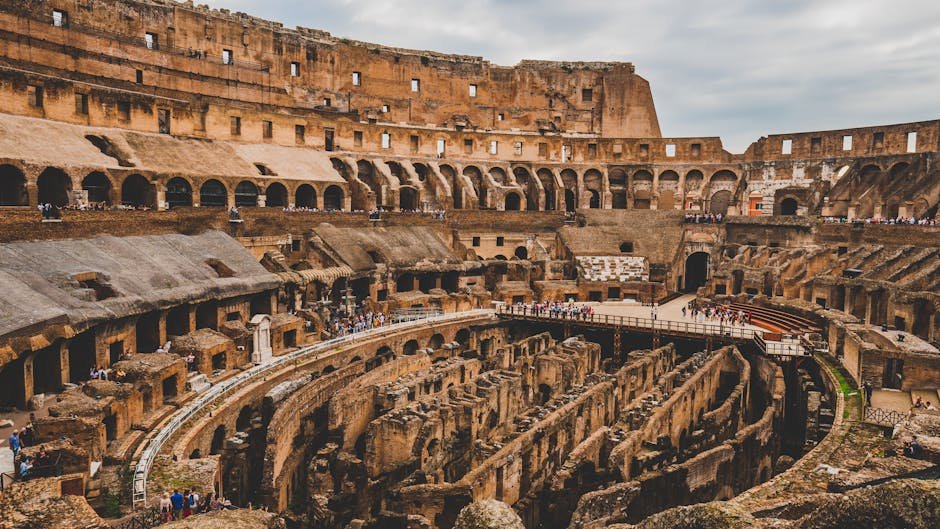
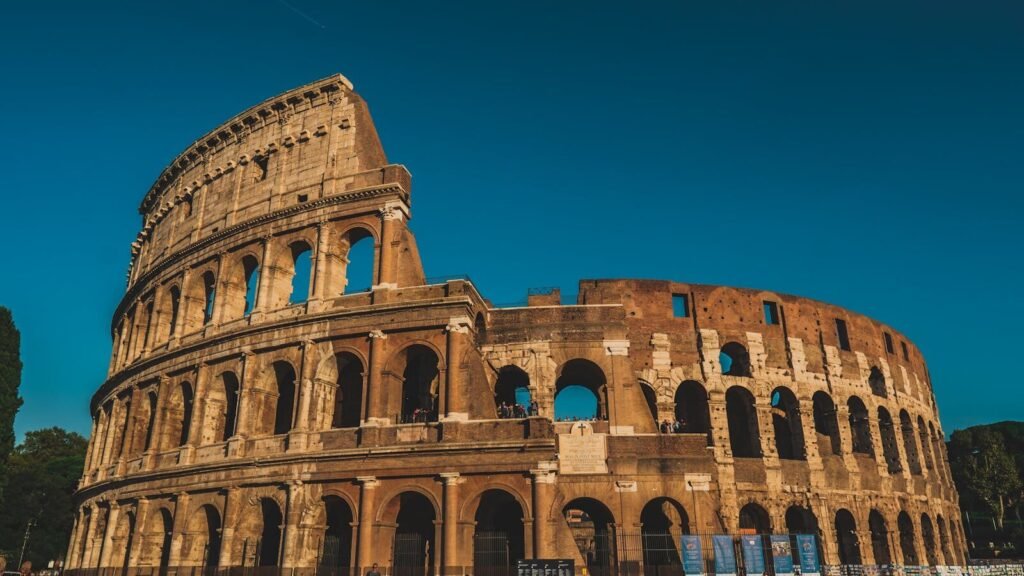
The Colosseum and Roman Forum area is possible, but not every section is equally easy. The broad stretch of Via dei Fori Imperiali is often one of the more workable nearby routes for views and movement, while the archaeological sections themselves are more limited.
A better goal is a satisfying visit, not total coverage. Two comfortable viewpoints are usually better than forcing every section of a difficult site.
Vatican days reward planning
The Vatican is rarely a place to improvise. Entrance procedures, security lines, elevator use, and crowd timing all affect whether the visit feels manageable. If you have flexibility, earlier starts or quieter afternoon slots can reduce stress.
Not every standard group format is a good fit for wheelchair users, so confirm the exact route rather than assuming any guided ticket will solve the logistics.
Lower-stress recovery routes
Riverside stretches or greener areas can be a smart choice after a demanding central day, especially for families traveling with mixed energy levels. You may get less of Rome’s headline drama, but the steadier movement can make the day more enjoyable.
Whatever zone you choose, keep it tight. A strong half-day plan usually includes one anchor attraction, one scenic stretch, a confirmed restroom stop, and one food break.
Common booking mistakes to avoid
- Trusting the word “accessible” without asking about surfaces, steps, elevators, and bathroom access.
- Checking the attraction but not the meeting point, hotel transfer, or drop-off.
- Packing too much into one day and relying on map times that ignore cobblestones, slopes, and crowds.
- Forgetting to send chair dimensions, weight, folding ability, battery details, or transfer needs before paying.
- Assuming companions can always use the same accessible entrance without confirmation.
Booking checklist for a smoother Rome day
- Confirm whether the route is fully step-free or only partly adapted.
- Ask for the exact order of the day, from pick-up to return.
- Share wheelchair or scooter dimensions, weight, and battery type early.
- Check restroom availability, group size, and how delays or lift problems are handled.
- Carry the operator’s contact number, a charger, water, medication, and a backup return-transport plan.
If you want a simple message to send, include your device type, dimensions, and weight, then ask the provider to confirm step-free access from start to finish, vehicle boarding details, restroom availability, and whether a companion can stay with you through every accessible entrance.
Families usually make Rome more inclusive by cutting the itinerary, not by adding more stops. Fewer priorities, more recovery time, and a pace set by the traveler with mobility needs nearly always lead to a better day.
FAQ
Are Rome tours labeled accessible usually fully step-free?
No. Some are, but many are only partly adapted. Ask for route details, not just the label.
Is a private accessible tour worth the extra cost in Rome?
Often yes if you need hotel pick-up, flexible pacing, or reliable support at major attractions. If your needs are lighter, a proven small-group or self-guided plan may be enough.
Can wheelchair users visit the Vatican and Colosseum area?
Yes, but access is often partial rather than seamless. The visit usually goes better when entrances, timing, and internal routes are confirmed in advance.
Should I self-guide or book a tour?
Use guided support for the most complicated day or attraction, then self-guide the flatter, easier areas. That often gives the best mix of support, flexibility, and cost.