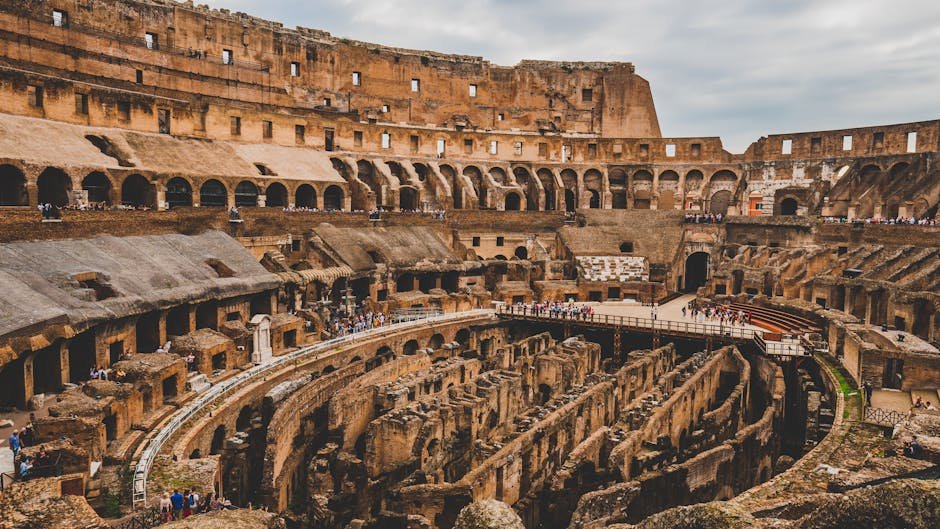
If you are trying to find the best skip-the-line Colosseum Underground tour, the smartest choice is usually not the most expensive one. The right pick depends on how much context you want, how long you want to spend inside Ancient Rome sites, and whether you prefer a fixed guided route or more independence. Underground access matters because it shows the Colosseum from the working side, not just the spectator side.
This guide focuses on the practical differences that shape the experience: what underground entry adds, what “skip-the-line” actually gets you, which formats suit different travelers, and which trade-offs are easy to miss at checkout.
Key Takeaways
- Underground access gives the Colosseum its backstage story, including how the arena functioned below the main level.
- “Skip-the-line” usually means timed reserved entry, not a complete bypass of security or check-in.
- Small-group shared tours are the strongest all-around choice for most travelers; private tours mainly add comfort and flexibility.
- Combo tours save planning time, but they can feel fast if you prefer to linger.
- The wrong booking is often a mismatch of pace, length, or included areas rather than a bad tour.
Why underground access changes the visit
Standard Colosseum entry gives you the monument from the public-facing side. The underground adds the machinery, passageways, and holding spaces that made the arena work. That extra layer is what turns the visit from a famous photo stop into a more complete understanding of the building.
Travelers who enjoy seeing how a place actually functioned tend to get the most from this upgrade. You are not just looking at ruins from above; you are following the hidden logistics behind the spectacle.
What “skip-the-line” means at the Colosseum
At the Colosseum, “skip-the-line” usually means a pre-booked time slot and a more organized entry process than buying or sorting tickets on the spot. You still need to clear security, arrive on time, and check in with the guide if it is a group tour.
Think of it as reducing uncertainty rather than eliminating every wait. If you miss the meeting time, the advantage disappears quickly.
Why availability matters
The underground is a restricted area, so capacity is limited and routes can be affected by site operations or maintenance. If that part of the Colosseum is your priority, book around it early. Waiting for a last-minute bargain often leaves you with standard entry or a tour format you did not really want.
Who should upgrade to a Colosseum Underground tour
- Best for first-time visitors: You get a fuller picture of the Colosseum instead of a quick look at the main levels.
- Best for history-focused travelers: Restricted access matters most if you care about how the arena worked, not only how it looked.
- Best for travelers who like guided structure: A good guide connects the underground, arena floor, and surrounding archaeology into one story.
A regular Colosseum ticket can still be the better call if you are on a tight budget, dislike fixed schedules, or already have an overloaded Rome day. It also makes sense if your goal is simply to see the landmark rather than spend extra time on details below the arena.
How to choose the best skip-the-line Colosseum Underground tour
Pick the right route first
Some tours stay tightly focused on the Colosseum, while others continue through the Roman Forum and Palatine Hill. A focused tour works better if you want the underground experience without giving up the rest of your day. A combo tour is more efficient if you want one guided Ancient Rome visit and do not want to organize separate entries.
The trade-off is pace. The broader the itinerary, the less time you usually have to slow down in each section.
Match group size to the experience you want
Small-group shared tours usually hit the best balance of price and depth. Private or semi-private tours are better for travelers who want a quieter pace, easier discussion, or a smoother experience for family members with different needs.
Live guides are usually worth prioritizing over audio-supported formats here. The underground makes more sense when someone explains what you are looking at in real time.
Choose a time slot that fits your energy
Morning tours are often easier: less heat, fresher attention, and more freedom afterward. Afternoon departures can suit travelers who prefer a slow start, but heat and fatigue build faster on longer combo routes.
Whichever slot you choose, expect stairs, uneven surfaces, and long stretches on your feet. Tour length matters more than marketing language if anyone in your group tires easily.
The best Colosseum Underground tour formats for different travelers
Shared combo tour: This is the strongest default for most visitors. It usually combines the underground, arena floor, Roman Forum, and Palatine Hill in one guided arc, which makes it great for first-time travelers who want context and convenience. It is a weaker fit if you dislike long guided visits or want total flexibility after the Colosseum. For a broad look at how operators package this style, this independent roundup of guided Colosseum tours is a useful starting point.
Private or semi-private tour: Best for travelers who care more about comfort than price. The advantage is not magical access; it is tailored pacing, easier conversation, and less friction if you are traveling as a couple, a multigenerational family, or a small group with mixed energy levels. The main downside is obvious: the price jump is real, and the historical content may not feel dramatically better if access is your only priority. If you want an example of this format, this private underground Colosseum tour with hotel pickup shows the kind of convenience premium options can add.
Express underground tour: The best choice for short-stay travelers who mainly want restricted access without turning the visit into a half-day commitment. You will usually get less detail and fewer included sites, but the format leaves room for other Rome plans. It is not the right pick if you want a slow, interpretive visit or a full Ancient Rome overview.
Family-friendly small group: A good fit for families with older children or mixed-interest groups who need a clear route and a guide who keeps things moving. It usually works better than a very long combo itinerary when attention spans are mixed. Still, it is not low-effort: security lines, standing, and site rules remain part of the day.
Historian-led small group: Best for repeat visitors and travelers who care most about expert commentary. These tours tend to feel richer because the guide spends more time on architecture, logistics, and how the restricted spaces fit into the larger site. The limitation is availability: smaller groups and specialist guides often sell out sooner and cost more. A representative example is a capped small-group underground tour format built around intimate group size and deeper commentary.
Quick comparison of Colosseum Underground tour types
| Option type | Best for | Main strength | Main limitation |
|---|---|---|---|
| Shared combo tour | First-time visitors | Best balance of value and context | Longer, fixed itinerary |
| Private or semi-private | Comfort-focused travelers | Flexible pace and easier logistics | Highest cost |
| Express underground | Short stays | Restricted access without losing half a day | Less depth |
| Family-friendly small group | Families with older children | Manageable pacing | May simplify detail |
| Historian-led small group | Serious history lovers | Deeper interpretation | Lower availability |
What to check before you book
- Included areas: Do not assume every reserved-entry tour includes the underground. Confirm whether the booking also covers the arena floor, upper levels, Roman Forum, and Palatine Hill.
- Pace and walking: The most comprehensive itinerary is not always the best one. If you dislike long guided blocks, heat, or stairs, a tighter route can feel more immersive than a tour that tries to cover everything.
- Meeting point and ID requirements: Many problems happen before entry. Double-check the check-in time, booking name, and any identification rules so you do not miss a timed slot.
- Cancellation and rescheduling terms: Restricted-access inventory can be less flexible than standard attraction tickets. If your plans are still moving, flexible terms may be worth more than a small discount.
- Accessibility and language: Routes vary, and restricted sections can be challenging on uneven ground. If mobility or language fit matters, ask the provider before paying.
Which Colosseum Underground tour is the best fit?
- Choose a shared combo tour if you want the best overall value and one efficient Ancient Rome visit.
- Choose an express underground tour if access matters more than extended commentary and you want time for other neighborhoods or museums.
- Choose a private or semi-private tour if smoother logistics and a customized pace matter more to you than keeping costs down.
- Choose a historian-led small group if interpretation is the main reason you are upgrading.
- Choose regular entry instead if fixed schedules, walking demands, or long guided visits sound draining rather than exciting.
For most travelers, a well-structured shared combo tour is the safest recommendation. It delivers the restricted-access highlight while giving enough context to make the rest of the archaeological area feel connected rather than scattered.
FAQ
Is the Colosseum Underground worth it if I have already seen the main level?
Usually yes, especially if you want a behind-the-scenes understanding of how the site functioned. It adds a different perspective rather than just more of the same view.
Do skip-the-line Colosseum tours avoid all waiting?
No. They reduce ticket-line uncertainty through timed entry, but security screening and group check-in still take time.
Do all Colosseum tours include the Roman Forum and Palatine Hill?
No. Some tours stay focused on the Colosseum and underground, while others are full combo itineraries. Always verify the included areas before booking.
Is a private underground tour always better than a shared one?
Not automatically. Private tours are better for comfort and flexibility, but a strong small-group tour often offers the better balance of cost, access, and explanation.