Best Way to Exchange Money Abroad: A Practical Guide for International Travelers
If you have ever landed in a new country and wondered whether to use an ATM, exchange cash at the airport, or pay by card, you are not alone. Travel money decisions can feel stressful, especially when poor exchange rates, ATM fees, or the wrong checkout choice quietly add to your costs. The good news is that exchanging money abroad does not have to be complicated. With a little planning, you can get local currency safely, avoid common traps, and keep more of your budget for the trip itself.
Key Takeaways
- Using a bank-affiliated ATM at your destination is often one of the most practical ways to get local currency.
- Carry a mix of payment methods, including a debit card, a credit card, and a modest amount of cash.
- Avoid exchanging large amounts at airports and hotels unless it is an emergency.
- Choose the local currency at checkout to avoid dynamic currency conversion markups.
- Check your bank’s foreign transaction and ATM fees before you leave.
Understanding Currency Exchange
What Currency Exchange Means
Currency exchange is simply converting one country’s money into another country’s money. If you travel from the United States to Japan, for example, you exchange dollars for yen. How much you receive depends on the exchange rate at that moment, plus any fees or markup charged by the provider.
The rate you see online is not always the rate you actually get. Banks, card networks, exchange counters, and ATM operators may all add costs in different ways.
Terms Worth Knowing
- Exchange rate: The value of one currency compared with another.
- Foreign transaction fee: A fee some banks or card issuers charge for purchases made in another currency.
- ATM fee: A charge from your bank, the local bank, or both for withdrawing cash abroad.
- Markup: An extra amount added to the base exchange rate.
- Dynamic currency conversion: A service that lets you pay in your home currency at checkout, often at a worse rate.
Common Misunderstandings
Exchanging cash before you leave is not always the cheapest option. It may be convenient, but it is not automatically the best value. It is also a mistake to assume all ATMs offer the same deal. Fees and conversion choices can vary widely.
For a general overview of exchange rates and travel money basics, the Consumer Financial Protection Bureau and your bank’s travel page can be useful starting points.
How to Prepare Before You Travel
How Much Local Currency to Bring
You usually do not need to carry a large amount of foreign cash before departure. For most trips, a small starter amount is enough for immediate needs such as:
- Transportation from the airport
- A meal or snack
- Small tips where customary
- A backup in case cards are temporarily not accepted
After that, you can usually rely on an ATM or card once you arrive.
Check Your Bank and Card Settings
Before you leave, review your account settings and make sure your cards are ready for international use. Confirm that your contact information is current, check fees, and save emergency numbers for lost or stolen cards.
The Visa and Mastercard websites also provide travel support information for cardholders.
Research Local Payment Habits
Payment habits vary by destination. Some places are highly card-friendly, while others still rely on cash for taxis, markets, or small restaurants. Before your trip, check:
- Whether contactless payments are widely accepted
- Whether taxis prefer cash
- Whether smaller businesses accept international cards
- Whether mobile wallets are commonly used
This helps you avoid carrying too much cash or arriving with the wrong setup.
Best Ways to Exchange Money Abroad
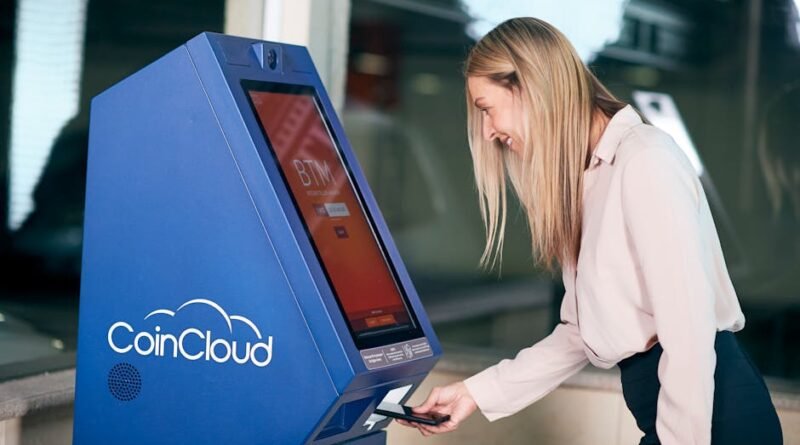
Use Bank ATMs for Local Cash
For many travelers, withdrawing local currency from a bank ATM after arrival is one of the best options. It is convenient, and the exchange rate is often better than what you will find at airport kiosks.
Advantages:
- Easy access to local currency
- Often better rates than airport exchange desks
- No need to carry large amounts of cash while traveling
Things to watch for:
- Your bank may charge an international ATM fee
- The local ATM operator may add its own fee
- The machine may offer an unfavorable conversion on screen
Use ATMs attached to established banks when possible. Avoid standalone machines in tourist-heavy areas if you have a better alternative nearby.
Be Cautious With Airport and Hotel Exchange Desks
Airport and hotel exchange counters are convenient, but convenience often comes at a price. Their rates are usually less favorable, and fees may not be obvious.
They are best treated as a backup option. If you need one, exchange only a small amount rather than your full travel budget.
Compare Local Banks and Exchange Offices
Local banks can be a solid option, especially in larger cities, though hours may be limited. Independent exchange offices sometimes offer competitive rates, but quality varies, so check carefully for commissions or hidden fees.
| Option | Best For | Main Caution |
|---|---|---|
| Bank ATM | Everyday cash withdrawals | Watch for ATM and conversion fees |
| Airport exchange desk | Immediate emergency cash | Often poor rates |
| Local bank branch | Formal exchange service | Limited hours and possible paperwork |
| Independent exchange office | Comparing posted rates in city centers | Check for hidden commissions |
Use Digital Wallets as a Backup, Not Your Only Option
Digital wallets and travel-focused financial apps can make spending abroad easier, especially for contactless payments and account monitoring. Still, they should not be your only payment method. Phones run out of battery, and acceptance varies by country and merchant.
How to Manage Cards and Cash During Your Trip
Carry a Mix of Payment Methods
The safest approach is usually a mix of cash and cards. Carry enough cash for small purchases and backup needs, but use cards for larger transactions when accepted. Keep your money in separate places, such as your wallet, hotel safe, and a backup card stored apart from your main one.
Choose the Right Card for the Right Job
- Debit cards: Best for ATM withdrawals.
- Credit cards: Often best for purchases, especially if they have no foreign transaction fee and strong fraud protection.
- Prepaid travel cards: Can help with budgeting, but fees and exchange rates vary.
For many travelers, a no-foreign-transaction-fee credit card plus a debit card for ATM access is the most practical combination.
Avoid Card Problems and Fraud
- Bring at least two cards from different networks if possible.
- Use bank ATMs and reputable merchants.
- Enable transaction alerts in your banking app.
- Do not let your card out of sight when paying.
- Keep emergency contact numbers separate from your wallet.
How to Reduce Exchange Rates and Fees
Focus on Avoiding the Worst Options
Getting a good exchange rate is often less about finding the perfect rate and more about avoiding expensive choices. In practice, that means using a low-fee card for purchases, withdrawing cash from reputable bank ATMs, and minimizing last-minute exchanges at airports or hotels.
Understand Dynamic Currency Conversion
Dynamic currency conversion happens when a merchant or ATM offers to convert the purchase into your home currency on the spot. It may seem helpful because the amount looks familiar, but the rate is often worse than the one your card network would use.
When given the choice, paying in the local currency is usually the better option.
Simple Ways to Minimize Fees
- Check whether your bank reimburses international ATM fees.
- Withdraw larger amounts less often if it is safe to do so.
- Use cards with no foreign transaction fee for purchases.
- Decline optional ATM conversion offers.
- Review your bank’s partner ATM network before departure.
Frequently Asked Questions
What Should I Do If My Card Is Lost or Stolen?
Lock or freeze the card immediately through your banking app if that feature is available. Then contact your bank or card issuer, review recent transactions, and ask about emergency replacement options. This is why a backup card and some reserve cash are so useful.
How Much Cash Should I Carry?
Carry only what you reasonably need for the day, plus a small backup amount. Avoid keeping all your cash in one place. The right amount depends on your destination and how widely cards are accepted, but carrying your entire trip budget in cash is rarely a good idea.
Are Traveler’s Checks Still Useful?
For most travelers, no. Traveler’s checks are far less commonly accepted than they once were, and using them can be inconvenient. Debit cards, credit cards, and digital banking tools have replaced them in most situations.
Final Thoughts
The best way to exchange money abroad is usually not a single method but a smart combination. Prepare before you leave, use cards strategically, withdraw cash from reputable ATMs, and avoid overpriced exchange counters unless you truly need them. A little planning can save both money and stress throughout your trip.