
Carry-On Packing Tips: How to Pack Light Without Forgetting Essentials
If you want to know how to pack a carry-on without feeling deprived, the good news is that it is mostly a matter of planning, not sacrifice. Many travelers overpack because they imagine every possible scenario, then end up dragging around items they never use. With a simple system, you can fit what you need, stay organized, and move through airports more easily.
In this guide, you will learn how to pack a carry-on step by step, what to prioritize, how to choose clothing that works harder, and how to avoid common space-wasting mistakes. Whether you are packing for a weekend city break or a longer trip with laundry along the way, these tips will help you travel lighter and smarter.
Key Takeaways
- Start with airline size rules and build your packing list around your bag’s actual space.
- Choose versatile clothing in a simple color palette so fewer items create more outfits.
- Use packing cubes or pouches to organize categories and make unpacking easier.
- Keep valuables, documents, medication, and one change of clothes in your personal item.
- Pack for your real itinerary, not every unlikely “just in case” situation.
Start with the carry-on rules before you pack
Check airline size and weight limits
Before deciding what to bring, confirm the baggage rules for your airline. Carry-on allowances vary, and some airlines are stricter than others about dimensions, weight, and personal items. If your bag is too large or too heavy, you may be forced to check it at the gate.
For a basic example of what airlines expect, American Airlines explains that your carry-on must fit in the overhead bin or under the seat if it is a personal item. You can review their guidance here: carry-on baggage rules from American Airlines.
Choose the right bag for your trip style
A hard-shell roller works well for city trips and smooth transit. A travel backpack is often better if you will move frequently, use public transport, or deal with stairs, uneven streets, or multiple stops.
If you can bring both a carry-on and a personal item, use them strategically. Put your main clothing and shoes in the carry-on, and keep essentials in the personal item so they stay with you even if your larger bag is gate-checked.
Quick Tip: Measure your bag including wheels and handles, not just the main body. Those extra parts can make the difference at the airport.
Build a realistic packing list first
Pack for the itinerary you actually have
The easiest way to overpack is to prepare for imaginary plans. Instead, think in terms of your confirmed activities, expected weather, and how often you can rewear items. A beach trip, a business trip, and a cold-weather city break all need different packing strategies.
Write a short list before your bag ever comes out. Include clothing, toiletries, documents, electronics, and any trip-specific items, then cut anything that does not clearly serve a purpose.
Use a simple clothing formula
A practical carry-on wardrobe usually includes tops that mix easily, a few bottoms, underwear and socks for the trip length or laundry cycle, one outer layer, sleepwear, and one pair of versatile shoes packed in the bag if needed. Wear your bulkiest items in transit to save space.
It also helps to stick to a limited color palette. Neutral basics with one or two accent colors make it easier to create multiple outfits without packing too much.
| Trip Type | Smart Packing Approach |
|---|---|
| Weekend trip | Pack complete outfits and keep extras minimal |
| One-week trip | Use mix-and-match clothing and limit shoes |
| Longer trip | Pack for about one week and plan to do laundry |
Choose clothes that work harder
Prioritize versatile and layerable pieces
When learning how to pack a carry-on, clothing choice matters more than folding technique. The best pieces can be worn in different combinations, dressed up or down, and layered for changing temperatures.
For example, one lightweight sweater, one comfortable pair of trousers, and a few interchangeable tops often serve you better than several single-purpose outfits. Fabrics that resist wrinkles and dry quickly are especially useful if you plan to wash items during the trip.
Limit shoes and bulky extras
Shoes take up a surprising amount of space, so keep them to the minimum. In many cases, one pair worn on the plane and one packed pair is enough. If your trip does not include formal events or specialized activities, avoid bringing backup shoes “just in case.”
The same logic applies to heavy coats, large handbags, and oversized toiletries. If an item is bulky, it should earn its place.
Quick Tip: Wear your heaviest shoes, jacket, or knitwear on travel days to free up room in your carry-on.
Use space-saving packing methods that actually help
Roll, fold, or combine both
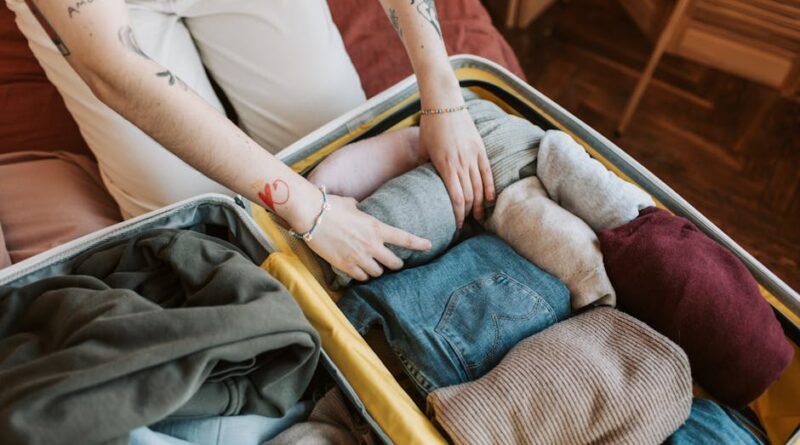
There is no single perfect method for every traveler. Rolling can work well for casual clothing and helps you see items more easily. Folding may be better for structured garments that wrinkle easily.
Many experienced travelers use a mix of both. Fold pieces like shirts or dresses that need shape, and roll softer items such as T-shirts, leggings, and sleepwear.
Organize with packing cubes or pouches
Packing cubes help divide your bag into categories such as tops, bottoms, underwear, and accessories. This does not just save space. It also makes it much easier to find what you need without disturbing everything else.
Travel + Leisure highlights how useful packing cubes can be for carry-on-only travel, especially for keeping items compressed and organized. You can read more here: carry-on packing tips from Travel + Leisure.
Place items by weight and use
Put heavier items near the wheels if you are using a rolling suitcase. Keep frequently needed items near the top, such as chargers, a sweater, or your liquids bag if you expect security screening.
Fill small gaps with socks, belts, or other compact items. This helps you use the full shape of the bag without creating clutter.
Handle toiletries, liquids, and personal items smartly
Keep toiletries compact and compliant
Toiletries are one of the most common causes of overpacking. Bring only what you are likely to use, and choose travel-size containers when possible. If your accommodation provides basics, you may not need to pack full routines.
Keep liquids together in one easy-to-reach pouch. This saves time at security and prevents leaks from spreading through your bag.
Use your personal item for essentials
Your personal item should carry the things you cannot afford to lose access to during the journey. That usually includes travel documents, medication, valuables, chargers, headphones, and a small set of comfort items for the flight.
It is also wise to include one fresh top or a change of underwear, especially on longer trips or routes with connections. Travelers often mention this as a practical safeguard if a carry-on is unexpectedly checked at the gate.
For a practical perspective on fitting everything into a carry-on for a week, this guide offers helpful examples: how to pack in a carry-on for a week.
A simple carry-on packing formula for light travelers
What to pack in the main bag
If you want a repeatable system, use a category-based approach rather than packing random outfits. A simple carry-on list might include:
- 3 to 5 tops
- 2 to 3 bottoms
- 1 light layer or sweater
- 1 jacket if needed for climate
- Underwear and socks based on trip length or laundry plans
- Sleepwear
- 1 extra pair of shoes if truly needed
- Compact toiletries
This kind of list works because it focuses on combinations, not quantity. You are giving yourself enough variety without filling the bag with duplicates.
What to keep in the personal item
- Passport, wallet, phone, and tickets
- Medication and important health items
- Laptop, tablet, or camera if traveling with them
- Chargers and power bank
- Headphones and in-flight essentials
- One small change of clothes
- Snacks and a reusable water bottle if allowed
This setup makes your trip easier from check-in to arrival. It also protects the items that matter most.
Common carry-on packing mistakes to avoid
Packing too many “just in case” items
Most overpacking comes from uncertainty. Extra outfits, extra shoes, and full-size products add up quickly, but many of them never leave the bag. If an item does not match your itinerary, leave it out.
Ignoring laundry options
You do not need to pack for every day of a longer trip if you can wash clothes once or twice. Even a sink wash for small items can reduce how much you carry. This is one of the easiest ways to pack light for extended travel.
Forgetting comfort and access
Space matters, but so does convenience. If your passport, charger, or medication is buried under everything else, your bag may be compact but not functional. A well-packed carry-on balances efficiency with easy access.
Quick Tip: After packing, remove two or three non-essential items. Most travelers do not miss them, and the extra space is useful on the return trip.
Frequently Asked Questions
How do I pack a carry-on for a week?
Pack versatile clothing that can be mixed and matched, limit yourself to one or two pairs of shoes, and plan to rewear items like trousers, layers, and jackets. A simple color palette makes it easier to create several outfits from fewer pieces.
Is rolling or folding better for carry-on packing?
Both can work well. Rolling is useful for soft casual items and visibility, while folding may help structured garments stay neater. Many travelers get the best results by combining both methods.
What should go in a personal item instead of the carry-on?
Keep valuables, travel documents, medication, electronics, chargers, and one change of clothes in your personal item. These are the things you may need during the flight or cannot risk losing access to.
How can I pack light without forgetting something important?
Make a list based on your itinerary, weather, and planned activities, then review it before packing. Focus on essentials, avoid duplicate items, and choose pieces that serve more than one purpose.