
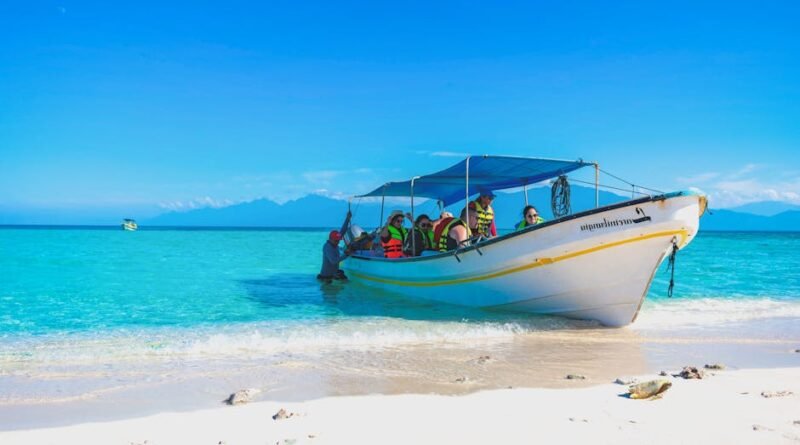
Eco-Friendly Boat Tours in Barbados: How to Spot Responsible Operators and Protect Coral Reefs
Choosing eco-friendly boat tours in Barbados can feel harder than it should. Many tours mention turtles, reefs, or “green” practices, but not every operator protects the marine environment in the same way. If you want a great day on the water without contributing to reef damage, wildlife stress, or avoidable waste, it helps to know what responsible operators actually do.
This guide explains how to evaluate eco-friendly boat tours in Barbados, what questions to ask before booking, and how your own choices can help protect coral reefs and marine life. You will also learn the warning signs of less responsible tours and simple habits that make a real difference once you are on board.
Key Takeaways
- Responsible boat tours in Barbados put reef protection, safe wildlife viewing, and clear guest guidance ahead of entertainment alone.
- Look for operators that use moorings instead of anchoring on reefs, manage waste carefully, and brief guests on snorkeling etiquette.
- Your own behavior matters: avoid touching coral or turtles, use reef-safer sun protection, and never stand on the seabed near reefs.
- Smaller groups, informed crew, and honest communication are often better signs of sustainability than marketing language.
- Asking a few practical questions before booking can help you choose a tour that supports a healthier marine environment.
Why reef-friendly boat tours matter in Barbados
Coral reefs are beautiful but easily damaged
Barbados is known for clear water, reef snorkeling, and marine wildlife, but reefs are living ecosystems, not just scenic backdrops. Coral can be harmed by careless anchoring, trampling, touching, pollution, and poor snorkeling behavior.
Healthy reefs support fish, sea turtles, and coastal biodiversity. They also help protect shorelines and are a major reason many visitors choose boat trips in the first place.
Tourism can help or harm depending on how it is managed
Boat tours are not automatically bad for the environment. Well-run tours can reduce pressure on fragile areas, educate visitors, and create financial reasons to protect marine habitats.
At the same time, crowded stops, wildlife chasing, and weak onboard rules can turn a fun excursion into a source of damage. That is why choosing eco-friendly boat tours in Barbados matters so much.
For broader context on sustainable travel on the island, you can explore Barbados sustainability and ecotourism.
How to spot a responsible boat tour operator
They explain their environmental practices clearly
A responsible operator should be able to tell you, in plain language, how they reduce impact. That might include using fixed moorings, limiting group size, separating waste, avoiding single-use plastics, or giving reef-protection briefings before guests enter the water.
If a company only uses vague phrases like “eco adventure” without specifics, ask follow-up questions. Good operators usually welcome them.
They prioritize wildlife welfare
Sea turtles are a major draw on many Barbados tours, but responsible viewing should never involve chasing, crowding, grabbing, or cornering animals. Crew should encourage calm observation and enough distance for wildlife to move naturally.
Operators that treat turtles or rays like props for photos are worth avoiding. Respectful encounters are usually quieter, slower, and better managed.
They protect reefs during stops
One of the clearest signs of a responsible operator is how they handle reef access. Boats should avoid dropping anchors onto coral and should guide guests away from standing, kicking, or grabbing onto reef structures.
Crew should also explain how to float horizontally while snorkeling and why fins, knees, and hands can cause accidental damage in shallow areas.
They brief guests before the activity
A short environmental briefing is a strong positive sign. It shows the operator expects guests to participate responsibly rather than just jump in and figure it out.
That briefing should cover basic behavior such as not touching coral, not feeding wildlife unless it is part of a carefully managed and lawful practice, keeping a respectful distance, and taking all litter back to shore.
Quick Tip: Before booking, ask one simple question: “How do you protect reefs and marine life during your tours?” The quality of the answer often tells you more than the website does.
Questions to ask before you book
Ask about reef protection and anchoring
You do not need to be a marine expert to ask useful questions. Start with practical issues that directly affect reef health.
- Do you use moorings instead of anchoring on reefs?
- How do you brief guests before snorkeling?
- What do you ask people not to do around coral and turtles?
- How large are your groups?
Ask about waste, plastics, and onboard habits
Sustainability is not only about what happens in the water. It also includes how the boat is run.
- Do you reduce single-use plastics?
- How do you handle trash and recycling on board?
- Do you provide water refills instead of many disposable bottles?
- Do you avoid throwing anything overboard?
Ask about crew knowledge and safety
Good environmental practice usually goes hand in hand with good safety standards. Crew should be able to guide inexperienced snorkelers, explain currents and entry points, and intervene if guests behave carelessly around reefs or wildlife.
If you are comparing options, this related guide on best boat tours in Barbados for first-time visitors can help you think through tour style, safety, and expectations.
Red flags that suggest a tour may not be eco-friendly
Marketing promises with no detail
Be cautious when a company highlights “eco,” “green,” or “sustainable” but offers no explanation of what that means in practice. Responsible operators usually mention specific habits, not just broad labels.
Crowded wildlife encounters
If photos show many swimmers surrounding a turtle or crowding a small reef area, that is not a great sign. High-pressure wildlife encounters can stress animals and increase accidental reef contact.
No rules for guests in the water
If reviews or tour descriptions suggest people are free to stand anywhere, chase animals, or touch marine life without correction, the operator may not be managing impact well. A relaxed atmosphere is fine, but it should still include clear boundaries.
Careless waste practices
Visible litter, disposable-heavy service, or crew tossing items overboard are obvious warning signs. Even small pieces of plastic and food waste can affect marine environments.
What you can do to protect reefs during your tour
Use reef-safer sun protection and cover up when possible
Sunscreen is important, but so is choosing products carefully and reducing how much washes into the sea. Rash guards, swim shirts, and hats can lower the amount of sunscreen you need on exposed areas.
For general advice related to Barbados marine activities, this guide to Barbados’ underwater world and marine life also reminds visitors to think about reef-safe sunscreen and reputable operators.
Keep your body and gear off the reef
Even confident swimmers can accidentally bump coral with fins, knees, or hands. Try to stay horizontal in the water, move slowly, and keep a comfortable distance from the bottom.
If you are new to snorkeling, tell the crew. A good guide can often suggest the easiest entry point or a flotation aid so you can relax without drifting into coral.
Do not touch, chase, or feed wildlife
Touching turtles, fish, rays, or coral may seem harmless in the moment, but it can stress animals and disrupt natural behavior. Feeding wildlife can also change how animals interact with people and with their habitat.
The best encounters are usually the least intrusive. Watch, float, and let the animal decide where to go.
Bring reusable basics
A reusable water bottle, towel bag, and small container for personal items can reduce waste on board. If the operator offers refills, use them.
It is a small step, but repeated across many tours and many travelers, it matters.
Comparing boat tours: what matters most
Look beyond price and inclusions
Two tours may both offer snorkeling, drinks, and a turtle stop, but the environmental quality can be very different. Compare how the experience is managed, not just what is included.
| What to compare | Better sign | Warning sign |
|---|---|---|
| Wildlife interaction | Calm viewing with distance and guidance | Chasing or crowding animals for photos |
| Reef access | Moorings, clear snorkeling rules | Anchoring near coral, no briefing |
| Group size | Manageable numbers in the water | Overcrowded swim stops |
| Waste practices | Refills, reduced single-use items | Heavy disposable use, poor trash control |
| Crew communication | Specific, practical answers | Vague eco claims |
Smaller and slower can be better
Bigger boats are not always irresponsible, but smaller groups often make it easier to control behavior in the water and reduce crowding at popular stops. Tours with enough time for briefings and unhurried snorkeling are often better for both guests and reefs.
Best practices for a more sustainable Barbados boat trip
Choose tours that support local nature-focused travel
Responsible travel is not only about avoiding harm. It is also about supporting businesses that value local ecosystems and encourage better visitor behavior.
Resources on Barbados eco and nature tours can help you explore the island’s coastal and marine environment with conservation in mind.
Read reviews with the right lens
When checking reviews, look beyond comments about food or music. Pay attention to mentions of crew briefings, respectful wildlife encounters, group size, and whether guests were guided well in the water.
A review that says “we got very close to everything” is not always a positive sign. “The crew made sure nobody touched the reef” is much more useful.
Reward good operators with your choices
When you find a tour that handles reef protection well, leave a review that mentions those practices specifically. That helps other travelers choose better and gives operators a reason to keep investing in responsible standards.
If something concerns you, raise it politely with the crew or choose a different provider next time. Consumer choices can shape tourism behavior over time.
Frequently Asked Questions
Are eco-friendly boat tours in Barbados more expensive?
Not always. Some responsible tours cost more because they use smaller groups or provide more guidance, but price alone does not determine sustainability. Focus on practices such as reef protection, wildlife respect, and waste reduction.
How can I tell if a boat tour is genuinely responsible?
Ask specific questions about anchoring, guest briefings, wildlife rules, and waste handling. Genuine operators usually answer clearly and give practical examples instead of relying on vague eco-friendly language.
Is it safe to snorkel near reefs without damaging them?
Yes, if you move slowly, stay horizontal, and avoid touching the bottom. Good guides can help beginners with entry techniques and flotation so they can enjoy the reef without accidental contact.
What should I bring on a reef-friendly boat tour?
Bring a reusable water bottle, sun-protective clothing, and snorkeling gear if the operator recommends it. If you use sunscreen, choose it carefully and apply only what you need, while relying on physical sun protection where possible.