
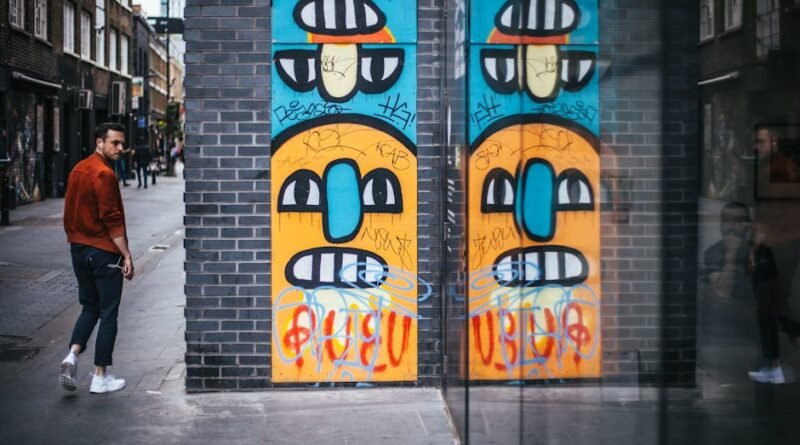
Exploring London Street Art: Guided Tours in Shoreditch and Tips for Spotting New Murals
If you are planning London street art guided tours in Shoreditch, the biggest challenge is knowing where to start and how to find work that may have changed since the last guidebook or social post. Shoreditch is one of the best areas in London for murals, paste-ups, tags, shutters, and large-scale walls, but it is also constantly evolving. What you see one week can be painted over, extended, or replaced the next.
This guide is designed for art lovers and photographers who want a practical route through Shoreditch and a better eye for spotting fresh pieces. You will learn where to go, how guided tours compare with self-guided walks, what kinds of streets tend to hold the most interesting work, and how to notice new murals without wandering aimlessly.
Key Takeaways
- Shoreditch, Brick Lane, Rivington Street, Redchurch Street, and the side streets around them are the core areas for street art hunting.
- Guided tours are useful if you want context on artists, techniques, and hidden locations that are easy to miss on your own.
- New murals often appear on shutters, hoardings, side alleys, and walls that regularly rotate artwork rather than on protected landmark pieces.
- Photographers usually get the best results early in the day, when streets are quieter and light is softer.
- A flexible route works best because Shoreditch street art changes quickly and discovery is part of the experience.
Why Shoreditch is the best place to start
What makes the area special
Shoreditch has a dense mix of legal murals, commissioned walls, spontaneous interventions, and layered surfaces where artists respond to each other over time. That makes it ideal for visitors who want both big statement pieces and smaller details hidden in plain sight.
Guided Tours in London
It also rewards slow walking. A major mural might be visible from the end of a street, but some of the most memorable work is tucked into alleys, railway arches, gates, and building corners where you only notice it by looking carefully.
What kind of art you can expect to see
Do not expect one uniform style. In Shoreditch you may see character-based murals, bold typography, abstract spray work, stencil art, wheatpaste posters, sticker layers, and painted shutters on shopfronts.
For photographers, this variety is part of the appeal. Wide shots capture scale and texture, while close framing can isolate details such as drips, hand styles, layered posters, or weathered paint.
Where to go in Shoreditch for the strongest street art walk
Start around Shoreditch High Street and Brick Lane
A practical starting point is near Shoreditch High Street station, which is also a common meeting point for guided walks. From there, it is easy to move toward Brick Lane and the surrounding streets where the concentration of work is high and the route feels natural on foot.
If you want a guided option, the meeting point and route style used by this Shoreditch street art tour with London With A Local gives a good sense of how many visitors begin exploring the area.
Focus on Brick Lane and the side streets
Brick Lane is one of the best-known corridors for East London street art, but the real value is often in the roads branching off it. Look into side passages, service lanes, and walls near markets, cafés, and former industrial buildings.
Many visitors make the mistake of staying only on the main road. In practice, some of the most interesting pieces sit one turn away from the busiest pedestrian flow.
Guided Tours in London
Walk through Rivington Street and nearby lanes
Rivington Street is worth including because it has long been associated with memorable walls and changing surfaces. Nearby lanes can hold both large murals and smaller interventions that are easy to overlook if you are moving too fast.
If you want ideas for a self-guided route, this Shoreditch street art walking guide from Anywhere We Roam highlights several useful stops and shows how a DIY route can connect better-known pieces with hidden corners.
Check Ebor Street, Redchurch Street, and connecting alleys
These streets often reward patient scanning. Look for long walls, warehouse-style facades, and side elevations of buildings, as these are common places for larger works.
Connecting alleys matter just as much as the named streets. If a lane has layered posters, paint marks, or tagged bins and doors, it is often a sign that artists have been active there recently.
Quick Tip: When you think you have reached the end of a street art area, keep walking one more block. In Shoreditch, the next corner often holds a fresh wall or a hidden shutter piece.
Guided tour or self-guided walk: which is better?
When a guided tour makes more sense
Choose a guided tour if you want context rather than just photos. A good guide can explain artist styles, local history, the difference between a mural and a throw-up, and why certain walls change more often than others.
This is especially helpful if you are new to London street art guided tours and want a more structured introduction. It can also save time if you only have a few hours in the area.
When self-guided is the better option
A self-guided walk suits photographers and repeat visitors who want freedom to stop, wait for better light, or revisit a wall from a different angle. It is also a good choice if your main goal is discovery rather than explanation.
For route planning, Visit London’s Shoreditch street art tours page is useful for understanding the guided experience, while blog-style self-guided maps can help you build your own version.
A quick comparison
| Option | Best for | Main advantage | Main trade-off |
|---|---|---|---|
| Guided tour | First-time visitors, curious art lovers | Expert context and efficient route | Less flexibility for photos and detours |
| Self-guided walk | Photographers, independent explorers | Freedom to move at your own pace | Easier to miss hidden pieces |
| Hybrid approach | Visitors with a full day | Learn first, then explore deeper | Takes more time |
How to spot new murals in Shoreditch
Learn which surfaces change most often
If you want to find recent work, pay attention to temporary or semi-temporary surfaces. Construction hoardings, shutters, alley walls, plywood panels, and side walls with visible layers of older paint are often the most active spots.
By contrast, some famous pieces become semi-landmarks and may remain longer, although nothing is guaranteed. The more a wall looks like a rotating canvas, the more likely it is to feature something new.
Read the visual clues on the street
Fresh paint usually looks cleaner, brighter, and less weathered than surrounding work. You may notice crisp edges, minimal sticker overlap, or paint that has not yet collected grime and scratches.
Another clue is local attention. If several people are stopping suddenly, looking upward, or taking photos in a spot that seems otherwise ordinary, there is probably a new piece nearby.
Look beyond the obvious walls
Some visitors only search for large murals, but new work can appear in smaller formats. Check doorframes, utility boxes, metal shutters, bins, poles, and pasted layers on construction barriers.
These smaller pieces can be especially interesting for photographers because they reveal how Shoreditch street art works as a conversation across surfaces, not just as a series of giant standalone artworks.
Practical tips for art lovers and photographers
Best time of day to explore
Morning is often the easiest time to shoot because the streets are less crowded and shop shutters may still be down, revealing painted surfaces that disappear later in the day. Softer light can also help with colour and texture.
Later in the day, the area becomes busier and more energetic, which can be great if you want people in the frame. The trade-off is more visual clutter and less time to compose shots calmly.
How to photograph murals well
Start with a straight-on frame to document the whole work, then move in for details. Include surrounding brick, pavement, signs, or street furniture when they add context rather than distraction.
For taller walls, step back and use the street lines to stabilize composition. For narrow alleys, look for angles that show layering and depth instead of trying to force the entire wall into one cramped image.
Street etiquette matters
Be aware of residents, shop owners, and people using the street for daily life. Do not block entrances or stand in the road too long while composing a shot.
If artists are actively working, observe respectfully and do not interrupt unless invited. Part of enjoying Shoreditch responsibly is treating it as a living neighbourhood, not an open-air set.
Quick Tip: If you see a painted shutter you love, photograph it immediately. Once shops open, that artwork may disappear for the rest of the day.
How to build a simple Shoreditch route that works
A practical walking flow
A simple route is to begin near Shoreditch High Street, move toward Brick Lane, explore the side streets, then continue through Rivington Street and nearby lanes before looping toward Redchurch Street and Ebor Street. This gives you a mix of famous walls, changing surfaces, and quieter corners.
Do not over-plan every turn. The best Shoreditch walk leaves room for curiosity, especially when a side alley shows signs of fresh paint or an unexpected cluster of shutters.
What to bring
- Comfortable shoes for uneven pavements and longer walking
- A camera or phone with enough storage
- A power bank if you use maps and shoot heavily
- Water, especially if you plan to explore for several hours
- A light rain layer, since London weather can change quickly
How long to allow
For a focused visit, allow around two hours. If you want to photograph carefully, stop for coffee, and explore side streets without rushing, half a day is more realistic.
This is one reason many visitors like a hybrid approach: take a guided walk first, then spend extra time independently in the areas that interest you most.
Frequently Asked Questions
What is the best area for London street art guided tours in Shoreditch?
The strongest starting area is around Shoreditch High Street, Brick Lane, and the surrounding side streets. Rivington Street, Redchurch Street, and Ebor Street are also worth including because they often feature a good mix of large murals and smaller hidden works.
Can you see Shoreditch street art without a guide?
Yes, Shoreditch works very well for a self-guided walk. A guide is helpful for context and hidden spots, but independent visitors can still see a lot by following the main streets and exploring nearby alleys slowly.
How often do murals change in Shoreditch?
Some walls stay in place for a long time, while others change frequently. Shutters, hoardings, temporary panels, and active side streets are the places where you are most likely to find new murals or recently updated work.
What time is best for photographing street art in Shoreditch?
Early morning is usually best for cleaner shots, softer light, and access to painted shutters before shops open. If you prefer a livelier street atmosphere, later in the day can work well, but expect more crowds and visual distractions.