How Long Does a Sistine Chapel Tour Take? Realistic Timings and Itinerary Planning
If you are trying to build a realistic Rome itinerary, one of the most common planning questions is: how long does a Sistine Chapel tour take? The short answer is that it depends on whether you book a guided highlights tour, visit independently through the Vatican Museums, or pair the chapel with St. Peter’s Basilica. In this guide, you will get practical timing estimates, what usually slows people down, and sample itineraries so you can plan your day without rushing.
The most important thing to know is that the Sistine Chapel is not a standalone stop for most visitors. It is part of the Vatican Museums route, so your total visit time usually includes museum entry, security, walking through galleries, crowd delays, and time inside the chapel itself.
Key Takeaways
- Most visitors should plan around 2.5 to 3 hours for a guided Vatican Museums and Sistine Chapel highlights tour.
- A self-guided visit can be shorter or longer, but 2 to 4 hours is a realistic range for most travelers.
- The time spent inside the Sistine Chapel itself is usually much shorter than the full visit because the chapel is at the end of the museum route.
- Crowds, security lines, walking pace, and whether you also visit St. Peter’s Basilica can add significant time.
- If your Rome schedule is tight, a highlights-focused visit is usually the safest option.
How long does a Sistine Chapel tour take in real life?
In real life, most travelers are not just visiting one room. They are visiting the Vatican Museums and finishing in the Sistine Chapel, which means the full experience takes longer than many first-time visitors expect.
A practical rule of thumb is this: a guided highlights tour usually takes about 2.5 to 3 hours, while a self-guided visit often takes 2 to 4 hours depending on your pace and interest level. One useful reference from The Roman Guy notes that a guided Vatican Museums and Sistine Chapel tour typically lasts between 2.5 and 3 hours, including major stops along the route such as the Gallery of Maps and Raphael Rooms. You can read that overview here: How to visit the Sistine Chapel.
If you move quickly and focus only on highlights, you may finish sooner. If you like reading signs, pausing for art, or taking breaks, your visit can easily stretch beyond three hours.
Typical timing ranges
| Visit style | Typical total time |
|---|---|
| Guided highlights tour | About 2.5 to 3 hours |
| Self-guided highlights visit | About 2 to 3 hours |
| Slower self-guided visit | About 3 to 4 hours |
| Visit with St. Peter’s Basilica added | Often half a day or more |
What is included in the total visit time?
When people ask how long does a Sistine Chapel tour take, they often mean the whole experience from arrival to exit. That total time usually includes much more than the chapel itself.
Security and entry procedures
Even with timed entry, you should expect time for security screening and finding the correct entrance. During busy periods, this part alone can affect your schedule more than expected.
If you arrive late, you may feel rushed from the start. Arriving a little early helps you begin the visit calmly and makes the rest of the timing easier to manage.
Walking through the Vatican Museums
The Sistine Chapel is reached through the Vatican Museums, so you will spend a good part of your visit walking through galleries, corridors, stairways, and major rooms along the route. Even a highlights visit includes a fair amount of walking.
This matters because the museum route is not just about distance. Crowds can slow your pace, and some sections naturally create bottlenecks.
Time inside the Sistine Chapel itself
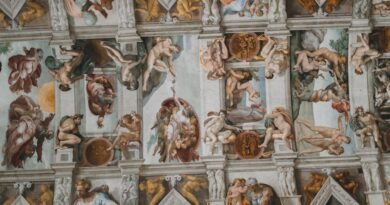
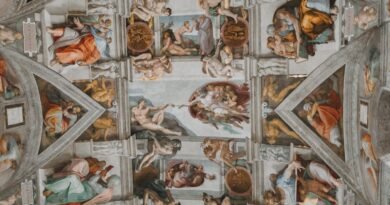
The actual time spent inside the chapel is often shorter than travelers imagine. Some visitors stay only 10 to 20 minutes, while others stay longer if crowd flow allows and they want time to look carefully at the ceiling and altar wall.
Because the chapel is a quiet and high-demand space, the experience depends heavily on crowd conditions. In practice, your overall visit is shaped more by the museum route than by the time spent inside the chapel alone.
Quick Tip: If the Sistine Chapel is your top priority, save some energy and attention for the end of the route. Many travelers arrive there already tired from the museum walk.
What affects how long your visit will take?
Two people with the same ticket can have very different experiences. Your total time depends on a mix of logistics, crowd levels, and personal travel style.
Guided tour vs self-guided visit
A guided tour is usually more time-efficient because the route is structured and the guide keeps the group moving. This is often the best choice if you want a clear highlights experience without spending half a day inside.
A self-guided visit gives you more freedom, but it can also make timing less predictable. You may stop more often, backtrack, or spend extra time deciding what to prioritize.
Season and crowd levels
High season, weekends, holidays, and peak morning hours can all slow the visit down. More people means slower security, denser galleries, and less flexibility once you reach the chapel.
On quieter days, the same route can feel much smoother. That is why two travelers can report very different timings for what is technically the same visit.
Your interest in art and museums
If you are deeply interested in Renaissance art, you may want far more than a basic highlights window. If your main goal is simply to see the Sistine Chapel and a few famous rooms, you can move faster.
Be honest with yourself when planning. A rushed art visit is often less enjoyable than a shorter, more focused one.
Whether you combine it with St. Peter’s Basilica
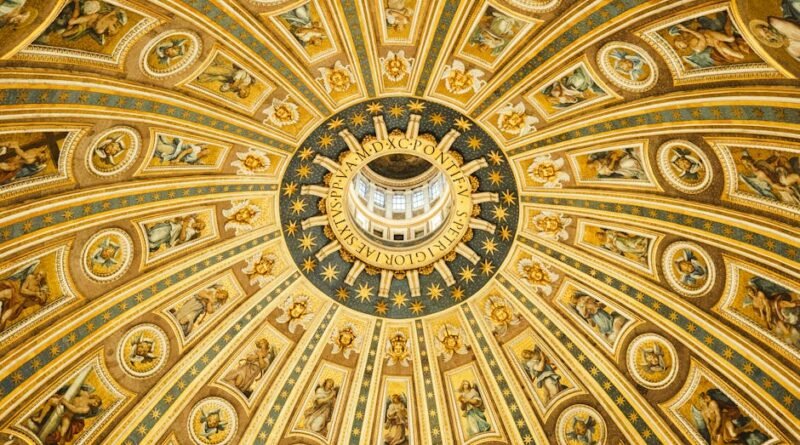
Many travelers plan to visit the Sistine Chapel and St. Peter’s on the same day. That can work well, but it changes the timing significantly.
Once you add another major site, extra walking, security, and possible queues, your visit often becomes a half-day plan rather than a quick stop. A useful discussion on the Rick Steves forum highlights that trying to do too much can make the Vatican feel rushed: how much time to allow for the Vatican and St. Peter’s.
Realistic itineraries for different types of travelers
The best timing depends on what kind of Rome day you want. Here are practical ways to think about it.
If you only want the highlights
Plan about 2.5 to 3 hours. This works well for travelers who want to see the Vatican Museums route, the Sistine Chapel, and a few major highlights without turning the visit into an all-day museum session.
A guided tour is often the easiest fit here. It gives you structure and helps you avoid spending energy on route decisions.
If you want a slower, more complete museum visit
Plan at least 3 to 4 hours, and possibly more if you enjoy museums. This is better for travelers who want time to pause, absorb the galleries, and not feel pushed along.
For this type of visit, avoid packing a major afternoon attraction immediately afterward. The Vatican can be physically tiring, especially in warm weather or heavy crowds.
If you are visiting with children or older travelers
Build in a slower pace and expect breaks. The route involves standing, walking, and crowd navigation, so realistic timing matters even more for families and multigenerational groups.
In many cases, a shorter highlights approach is the better experience. Trying to see everything can quickly lead to fatigue.
If you want to combine the Sistine Chapel with other Rome sights
If your day also includes St. Peter’s Basilica, Castel Sant’Angelo, or a long lunch, keep the Vatican portion focused. A 2.5 to 3 hour tour is often the safest option if you want room for other plans later.
If you try to squeeze too much into one morning, delays can ripple through the rest of your itinerary. Rome days usually go better when you leave some buffer time.
How to choose the right amount of time for your Rome itinerary
When deciding how long does a Sistine Chapel tour take for your trip, think less about the absolute minimum and more about the experience you want. The fastest possible visit is not always the best-planned one.
Choose based on your travel style
- If you like efficient sightseeing, choose a highlights tour and plan around 3 hours.
- If you enjoy museums deeply, allow at least half a day.
- If the Sistine Chapel is one stop among many, avoid overcommitting the rest of the day.
- If you dislike crowds, try to keep your schedule flexible and avoid assuming everything will move quickly.
Leave buffer time around the visit
Transport delays, entry procedures, and crowd flow can all add time. A small buffer before and after the Vatican visit makes your day much less stressful.
This is especially important if you have restaurant bookings, train departures, or another timed attraction later. Tight scheduling is one of the easiest ways to make a Rome itinerary feel harder than it needs to be.
Quick Tip: If your day includes both the Vatican area and another major attraction, keep one of them flexible rather than booking every hour too tightly.
Common planning mistakes to avoid
A few simple mistakes cause most timing problems. Avoiding them can make your visit much smoother.
Underestimating the walk
The Vatican Museums are large, and the route to the Sistine Chapel is not a quick in-and-out stop. Wear comfortable shoes and assume more walking than you might expect from a single attraction.
Assuming the chapel is a standalone visit
For most visitors, the Sistine Chapel is part of a wider museum route. If you plan only for the chapel itself, you will probably underestimate the total time needed.
Scheduling too much on the same day
The Vatican can take a lot out of you, especially in crowded conditions. If this is a priority stop, give it enough space in your itinerary so you can enjoy it properly.
Traveler discussions often reflect this reality: some people feel satisfied in about 2.5 to 3 hours, while others could easily spend much longer. One example is this Reddit discussion about whether 2.5 hours is enough for the Vatican Museums and Sistine Chapel: is 2.5 hours enough to visit the Vatican museum and Sistine Chapel?
Frequently Asked Questions
Can you visit only the Sistine Chapel?
In practice, most visitors reach the Sistine Chapel through the Vatican Museums. That means your visit usually includes part of the museum route rather than a simple chapel-only stop.
Is 2 hours enough for the Sistine Chapel?
Two hours can be enough for a fast, highlights-focused visit if everything runs smoothly, but it is tight. For most travelers, 2.5 to 3 hours is a more realistic and comfortable plan.
How much time should I allow for the Vatican Museums and Sistine Chapel together?
A good planning estimate is 2.5 to 3 hours for a guided highlights visit and 3 to 4 hours for a slower self-guided experience. Add more time if you also want to visit St. Peter’s Basilica.
What is the best option if I have limited time in Rome?
If your schedule is tight, choose a highlights-focused visit and avoid stacking too many timed activities afterward. This gives you a strong Vatican experience without turning the day into a rush.