
How to Choose the Right Rome Tour for Your Travel Style and Time
Planning Rome can feel harder than it should. You want to see the big highlights, avoid wasting precious vacation time, and choose experiences that actually match your interests. If you are wondering how to choose Rome tour options without overbooking your trip, the key is to match each tour to your travel style, energy level, and the number of days you have in the city.
For first-time visitors, the best Rome tour is not always the longest, most expensive, or most popular. It is the one that helps you see what matters most to you, at a pace you can enjoy. Once you know what kind of traveler you are and how much structure you want, choosing becomes much easier.
Key Takeaways
- Pick tours based on your priorities, not just famous landmarks.
- Choose one major guided experience per day to avoid burnout.
- Private, small-group, and self-guided tours each suit different travel styles and budgets.
- Skip-the-line access matters most at the Vatican, Colosseum, and other high-demand sites.
- Short trips need focused tours, while longer stays allow food, neighborhood, or day-trip experiences.
Start With Your Travel Style
Decide how much structure you actually want
The first step in learning how to choose Rome tour options is being honest about how you like to travel. Some visitors love having every detail arranged. Others prefer a loose plan with room for spontaneous stops, long lunches, and wandering through side streets.
If you enjoy context, storytelling, and efficient routing, guided tours can save time and reduce stress. If you dislike fixed schedules, a self-guided visit or audio tour may suit you better. There is no single right answer, only the best fit for your trip.
Match the tour type to your personality
| Tour Type | Best For | Main Advantage | Trade-Off |
|---|---|---|---|
| Private tour | Families, couples, travelers wanting flexibility | Personalized pace and focus | Higher cost |
| Small-group tour | First-time visitors who want guidance | Good balance of value and interaction | Less flexible than private |
| Large-group tour | Budget-conscious travelers | Usually lower price | Can feel rushed or impersonal |
| Self-guided or audio tour | Independent travelers | Maximum freedom | Less expert insight |
Quick Tip: If this is your first time in Rome, book at least one guided tour early in your trip. It helps you understand the city better and makes the rest of your sightseeing easier.
Choose Tours Based on Your Available Time
If you only have 1 to 2 days
With a short stay, focus on Rome’s biggest priorities instead of trying to do everything. A half-day or full-day tour covering either Ancient Rome or the Vatican can give you depth without exhausting you. Then use the rest of your time for simple independent sightseeing.
For very short trips, skip multi-stop tours that promise too much. You will get more value from one strong experience than from racing through five landmarks with no time to absorb them.
If you have 3 to 4 days
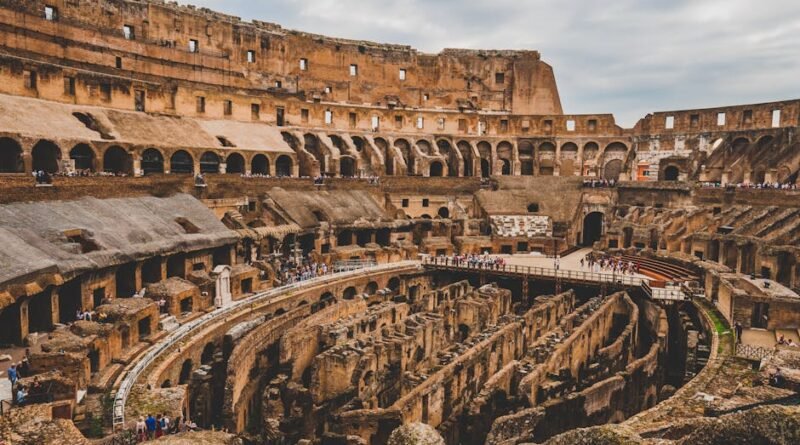
This is the sweet spot for many first-time visitors. You can usually fit in two major guided tours, such as the Colosseum and Roman Forum on one day, and the Vatican Museums and St. Peter’s area on another. Add a food tour, evening walking tour, or neighborhood experience if your energy allows.
A practical planning approach is to choose one headline attraction per day. That leaves time for meals, transport, and the unexpected delays that are common in busy cities.
If you have 5 or more days
Longer stays give you room to be selective. In addition to the classic sites, you can consider specialized tours such as street food, Trastevere walks, underground sites, or a day trip. This is when your personal interests should guide your choices more than a standard checklist.
For itinerary inspiration, the advice to balance one big activity with lighter sightseeing is a useful rule of thumb, as noted in this Rome planning guide for first-time visitors.
Know Which Rome Tours Are Worth Booking in Advance
Prioritize high-demand attractions
Not every Rome experience needs a tour, but some sites are much easier with advance booking. The Vatican Museums, Colosseum area, and certain special-access experiences can sell out or involve long waits. In these cases, a timed entry or guided tour can be a smart use of money.
If avoiding lines is one of your top goals, compare whether the tour includes entry tickets, reserved access, and clear meeting instructions. These details matter more than clever marketing names.
Understand what “skip-the-line” really means
Many travelers assume skip-the-line means no waiting at all. In reality, you may still go through security or wait briefly with timed-entry visitors. What you are usually saving is the much longer general admission line.
Before booking, check the duration, group size, walking intensity, and exactly what is included. A cheaper tour is not always better if it leaves out entry fees or key sections of the site.
For a practical look at the benefits of guided visits versus exploring alone, this article on whether to take a guided tour in Rome offers helpful context.
Pick the Right Tour for Your Interests
History lovers
If ancient history is your main reason for visiting, choose tours focused on the Colosseum, Roman Forum, and Palatine Hill rather than broad city overviews. A guide can make ruins far more meaningful by explaining what you are looking at and how the spaces were used.
Look for tours that allow enough time at each site. A rushed “Rome in one day” format may cover the highlights, but it often sacrifices depth.
Art and religion focused travelers
For many first-time visitors, the Vatican is a must. If that is a priority, choose a tour that clearly states whether it covers the Vatican Museums, Sistine Chapel, and St. Peter’s Basilica area. These visits involve a lot of walking, so morning tours are often easier than afternoon ones.
If you are interested in special-access religious history, some travelers specifically plan around the Scavi experience beneath St. Peter’s, which is noted in this Rome travel guide as something to reserve well ahead.
Food, local culture, and slower travel fans
Not every memorable Rome tour happens inside a monument. Food tours, market walks, and neighborhood experiences can be ideal if you want a more relaxed and personal feel. These are especially useful after a heavy sightseeing day.
For travelers who care more about atmosphere than checklists, one excellent strategy is to combine one major landmark tour with one local experience. That creates a more balanced trip.
Compare Price, Pace, and Group Size Before You Book
What to look for in the listing
When comparing tours, do not focus on price alone. Read the details for meeting point, cancellation policy, inclusions, and how physically demanding the tour is. Rome often involves uneven surfaces, stairs, heat, and crowds, so pace matters.
- Check whether tickets are included
- Look at the maximum group size
- Confirm the total walking time
- See if headsets are provided for larger groups
- Review start times in relation to your other plans
When paying more makes sense
A private or small-group tour may be worth the extra cost if you have limited time, are traveling with older relatives or children, or want to focus on a specific interest. On the other hand, if you are comfortable researching on your own, a standard entry ticket plus a self-guided visit may be enough for lower-priority sites.
Quick Tip: Avoid booking back-to-back tours on the same day unless one is very short. Rome is best enjoyed with some unplanned time between activities.
A Simple Rome Tour Strategy for First-Time Visitors
A practical booking formula
If you are still unsure how to choose Rome tour plans, keep it simple. Most first-time visitors do well with one major ancient Rome tour, one Vatican-focused tour, and one optional experience based on personal interests. That third option could be food, a night walk, a bike ride, or a day trip.
This approach covers the essentials without turning your holiday into a checklist. It also leaves room for the part of Rome many travelers remember most: walking, eating, and discovering corners of the city on your own.
Final decision checklist
- Does this tour match my top interests?
- Is the timing realistic for my itinerary and energy level?
- Do I need a guide here, or would independent sightseeing work?
- Are tickets, access, and meeting details clearly explained?
- Will this tour improve my trip, or just fill time?
The right Rome tour should make your trip easier, richer, and more enjoyable. If it helps you understand the city better and use your time well, it is probably the right choice.