
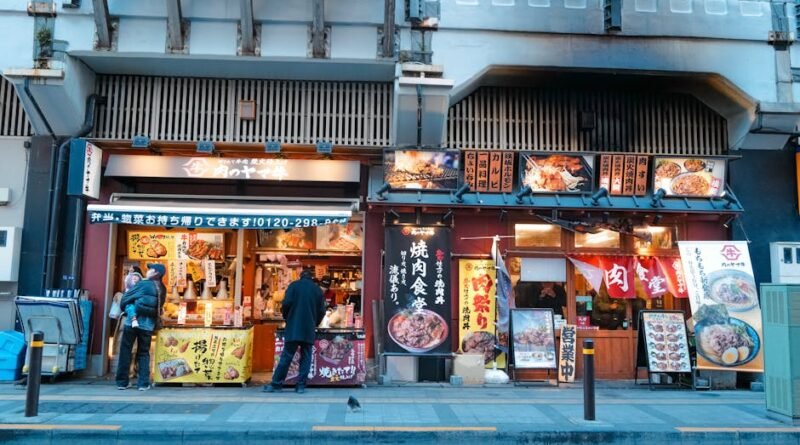
How to Find Authentic Food Experiences in Tokyo: A Practical Guide for Travelers
Finding authentic food experiences in Tokyo is usually less about uncovering a secret address and more about learning how the city eats. The meals that feel most local often come from neighborhood routine, specialist cooking, seasonal dishes, and small signals such as lunch hours, queue patterns, and menu style.
If you want culture through food, Tokyo rewards observation more than hype. This guide will help you choose where to look, how to research, and which kinds of places best match your travel style.
Key Takeaways
- In Tokyo, authenticity usually comes from craft, specialization, and neighborhood context—not from a place being hard to find.
- Small shops focused on one dish often feel more rooted in daily life than famous all-purpose restaurants.
- Looking outside major tourist zones usually changes both the atmosphere and the food you encounter.
- Good planning means checking menus, hours, photos, payment style, and nearby backup options.
- The right experience depends on your travel style: a market, izakaya, counter shop, or food tour each gives you a different view of local culture.
What counts as an authentic food experience in Tokyo?
An authentic meal in Tokyo does not need to be hidden, cheap, or difficult to access. What matters more is whether the food is tied to a clear tradition, a specific technique, a seasonal moment, or a daily neighborhood habit. A standing sushi shop near a station, a long-running kissaten, or a family-run tonkatsu counter can all feel deeply authentic because they reflect how people actually eat.
Tourist-friendly restaurants are not automatically a bad choice, especially on a first trip. The difference is usually in the structure of the experience: visitor-focused places tend to offer broader menus, longer hours, and more guidance, while locally rooted places often have fewer seats, shorter menus, and a regular crowd that already knows the routine.
Context matters too. Business districts shine at lunch and after-work drinking. Residential areas are better for teishoku, bakeries, and casual izakaya. Older neighborhoods often keep slower rhythms and long-running shops. If you want a meal that feels specific to Tokyo, ask what fits this area and this season—not just what is famous.
Where to find authentic food experiences in Tokyo
Start with places that support everyday eating. Shotengai shopping streets are especially useful because they combine snacks, sweets, prepared foods, and small restaurants in one walkable setting. Depachika, the food halls in department store basements, are less intimate but excellent for seeing what locals buy for gifts, dinner, and seasonal treats.
Neighborhood choice shapes the experience. Yanaka, Asakusa beyond the main sightseeing strip, Monzen-Nakacho, and Kappabashi suit travelers looking for an older Tokyo feel. Kichijoji, Koenji, and Nakano are strong for casual local dining, while Ebisu and Kagurazaka offer a more polished version of neighborhood eating. If you want a few practical ideas beyond the tourist core, this guide to eating like a local in Tokyo is a helpful starting point.
For the strongest sense of daily rhythm, look for standing bars, neighborhood izakaya, kissaten, and small family-run counters. These places often trade convenience for atmosphere: seats may be limited, menus may be handwritten, and English support may be minimal, but the connection to ordinary life is usually much stronger.
How to spot places locals actually use
- Short, focused menus: A narrow menu often signals repetition and confidence rather than lack of choice.
- Hours built around one meal period: Shops that open mainly for lunch or a few evening hours are often serving a local routine, not all-day sightseeing traffic.
- Queues that make sense for the area: A line of office workers at 12:15 tells you more than a long tourist queue in a famous district.
- Low-key rooms: Practical decor, a small entrance, handwritten signs, and regulars who seem at home are often good signs.
Ratings can help you avoid obvious misses, but they are weak at measuring fit. Photos usually tell you more: whether solo diners are common, how formal the room feels, how quickly people eat, and whether the food matches the experience you want. Single-specialty shops are often the best finds, but they are a poor fit for groups with varied tastes, strict dietary needs, or diners who want a slow, highly guided meal.
How to research before you go
Search by neighborhood and food category instead of broad phrases such as best Tokyo restaurant. Pair an area name with soba, yakitori, sushi, curry, ramen, kissaten, teishoku, or izakaya. If possible, try both English and Japanese map searches to surface more local options.
Use tools for different jobs. Tabelog is helpful for spotting serious local favorites and seeing how a place presents itself. Google Maps is better for directions, hours, recent photos, and practical details. Social media works best as a quick visual filter, not as final proof of quality. Save one main option, one nearby backup, and one flexible fallback such as a noodle shop, teishoku restaurant, or depachika.
Which food experiences fit your travel style?
| Experience | Best for | Why it works | Watch for |
|---|---|---|---|
| Neighborhood sushi-ya or standing sushi | Travelers who want quality without a luxury event | Feels tied to daily life and often works well for lunch | Brief menus, limited English, and little room for customization |
| Ramen shop | Solo diners, budget-conscious travelers, late-night eaters | Easy access to strong local character and specialty styles | Fast pace, tight seating, and not much conversation |
| Neighborhood izakaya | Couples, friends, atmosphere seekers | Shows after-work rhythm, sharing culture, and drinking habits | Can be noisy, smoky, and harder to order from handwritten menus |
| Specialist shop for soba, yakitori, tonkatsu, tempura, or curry | Travelers who care about craft and comparison | Offers the clearest expression of one dish done well | Less flexibility if you guessed wrong for your taste |
| Kissaten or bakery breakfast | Early risers, solo travelers, routine observers | Reveals a quieter side of Tokyo food culture | Morning sets are limited and often end early |
| Depachika or market-style snack crawl | Short visits and travelers who like variety | Lets you compare many foods in one stop | Can feel surface-level, especially in visitor-heavy areas |
Food tours, markets, or independent exploring?
A food tour is most useful when you want context, language help, and a low-stress introduction to the city. That can be especially valuable on a first trip or if menu anxiety would stop you from trying smaller places. Guided options such as Tokyo food experiences and cooking classes can help if you prefer structure over trial and error.
Independent wandering is better when you already know what styles of food interest you and you enjoy reading the room for yourself. Markets and depachika are good for quick variety, but neighborhood streets usually give a deeper sense of ordinary life. High-end reservation dining can be memorable, yet casual local meals often teach you more about how Tokyo actually eats. A balanced trip usually includes both anchor meals and spontaneous ones.
Ordering and timing without stress
You do not need much Japanese to eat well. A few basics help: sumimasen for excuse me, kore onegaishimasu for this please, osusume wa nan desu ka for what do you recommend, and kaikei onegaishimasu for the bill please. Just as important: wait to be seated if that seems to be the system, keep your voice down in small shops, and avoid blocking the entrance while deciding.
Ticket-machine restaurants usually require payment first. If there is no English menu, start with the standard item, use a translation app, or point politely at a photo. Carry some cash, keep a backup nearby, and do not force your way into a place where communication clearly is not working. Lunch is often the easiest window for specialist shops, early evening suits izakaya, and weekdays usually show more everyday rhythm than weekends.
Common mistakes to avoid
- Using social media popularity as a shortcut for authenticity.
- Searching only in the biggest tourist districts.
- Skipping plain or old-fashioned shops that may be built on consistency and trust.
- Expecting every authentic place to be cheap, photogenic, or easy to access.
- Ignoring etiquette and changing the atmosphere you came to experience.
A simple way to plan your meals
For one strong food day, start with a kissaten or bakery near where you are staying, choose one specialist lunch in the neighborhood you are exploring, browse a shotengai or depachika in the afternoon, and end with an izakaya, yakitori counter, or neighborhood sushi spot. Over a longer trip, mix an older east-side area, an everyday west-side neighborhood, and one more polished meal if you want contrast.
The goal is not to collect famous names. It is to build meals around routine, craft, timing, and place.
FAQ
Do I need reservations to find authentic food in Tokyo?
No. Many of the most satisfying local meals are walk-in experiences. Reserve only for high-demand counters or special-occasion dining.
Are food tours worth it?
They can be, especially for first-time visitors, nervous solo travelers, or anyone who wants context and language support. If you enjoy wandering, researching, and adjusting on the fly, exploring independently may suit you better.
Can I find authentic food in tourist areas?
Yes, but you need to be more selective. Look for specialist shops, local customer patterns, and streets just beyond the busiest sightseeing route.
What is the easiest starting point for a first-time visitor?
A neighborhood sushi lunch, a teishoku meal, a kissaten breakfast, or a casual izakaya in a local area are all manageable ways to start.