Reading symbols in Renaissance paintings gets easier once you stop treating every flower, animal, or gesture like a puzzle with one fixed answer. Renaissance artists did rely on familiar visual clues, but those clues only become clear when you identify the subject, notice which details repeat, and ask whether an object belongs to the story literally as well as symbolically.
This guide is meant for curious viewers, not specialists. It will help you recognize the symbols that appear most often, understand why the same detail can change meaning from one painting to another, and read famous works without overinterpreting every corner.
Key Takeaways
- Context matters more than any single symbol list.
- Start by naming the image type: religious, mythological, portrait, or allegory.
- Read objects, plants, animals, colors, and gestures as a group.
- Many details work as both realistic objects and symbolic clues.
- Background details can be important, but not every detail is a code.
How to read symbols in Renaissance paintings
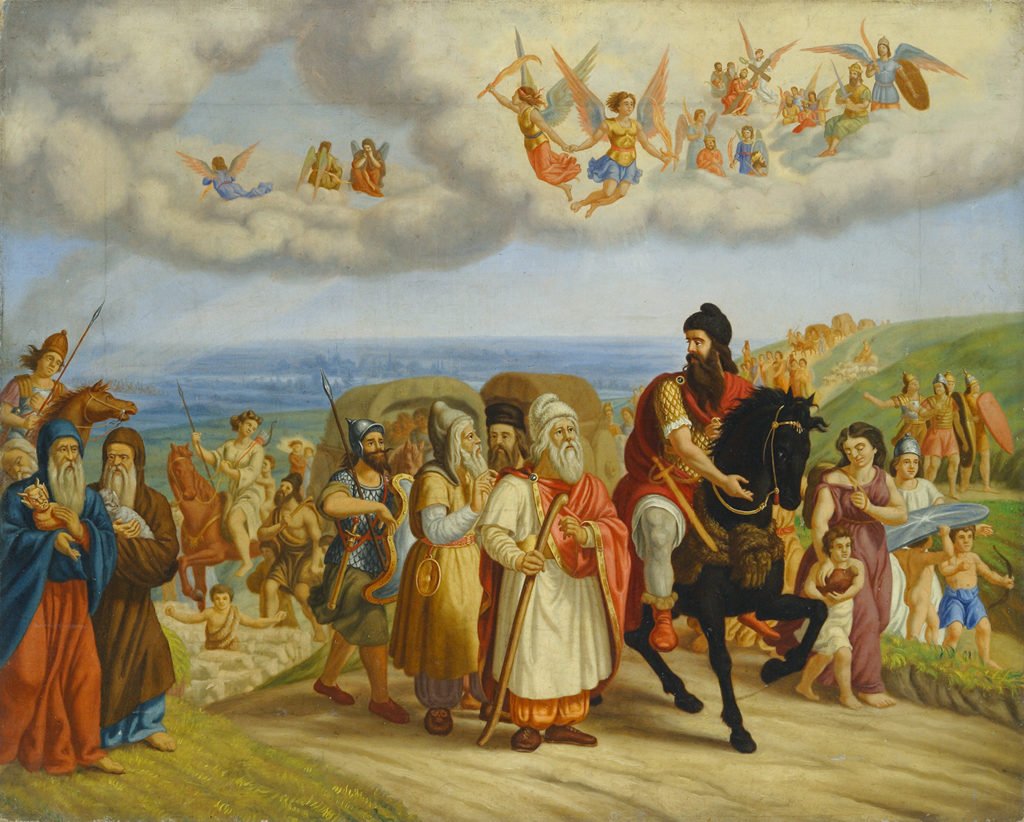
Begin with the kind of picture you are looking at. An altarpiece, a private devotional panel, a marriage portrait, and a mythological scene may all include flowers or animals, but they do not use them the same way. A lily beside Mary usually points toward purity; the same flower in a secular portrait may lean toward bridal virtue or fertility instead.
Next, look for clusters. A single object can be ambiguous, while several linked clues usually make the artist’s intention easier to see. A lamb, a cross, and a red garment pull the image toward Christ’s sacrifice. A mirror, fruit, rich textiles, and a bedchamber interior suggest marriage, domestic order, or social display.
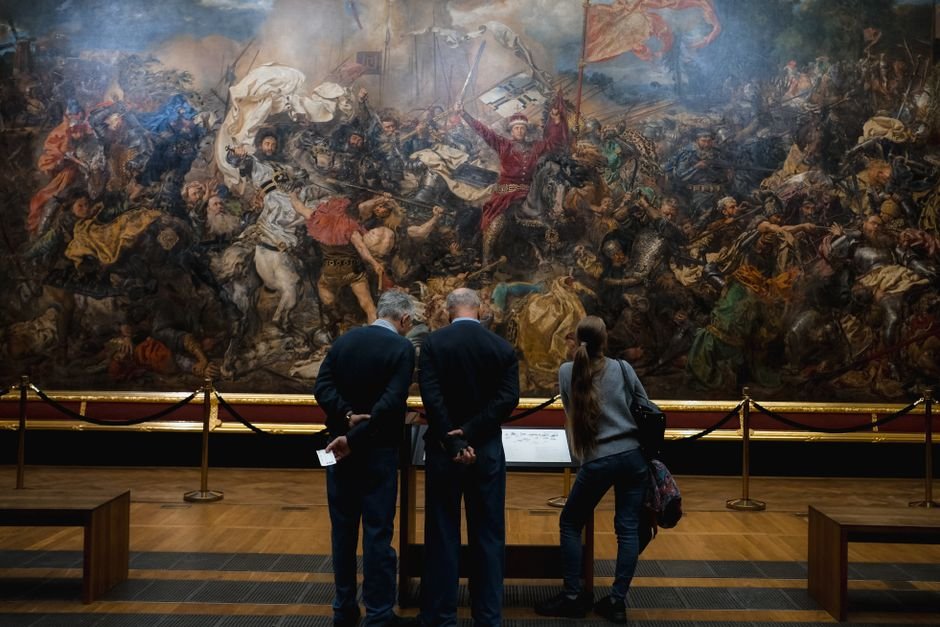
Keep the painting’s setting in mind before settling on a meaning. Patrons, titles, and original locations narrow the possibilities, and they also remind you that a symbol can be useful for prayer, family prestige, civic identity, or simple visual balance.
| Clue type | Ask first | Common mistake |
|---|---|---|
| Objects | Who is using it, and how? | Assuming one permanent definition |
| Animals | Does it fit the scene literally too? | Forgetting context changes meaning |
| Plants and fruit | Is the image sacred, marital, or seasonal? | Treating all flowers as decoration |
| Colors and clothing | Who wears them, and with what? | Importing modern color psychology |
| Gestures and gaze | Where do they direct your eye? | Ignoring body language |
Common religious symbols to recognize first
- Lily, rose, enclosed garden: These often point toward the Virgin Mary, especially in Annunciation and devotional images. The lily is one of the clearest Marian signs, while roses can slide toward love or beauty in secular works, so the setting matters.
- Lamb, cross, pelican: These usually connect to Christ’s sacrifice, redemption, or saving love. A cross does not have to dominate the picture to matter; sometimes it appears as a small but deliberate reminder.
- Book, skull, hourglass: Books can suggest prayer, study, prophecy, or learned devotion depending on who holds them. Skulls and hourglasses make mortality visible, pushing the viewer toward repentance, time, and salvation rather than mere still-life detail.
- Halo, light, gold accents: Holiness is not always marked by a large halo. Later Renaissance painters often suggest sacred presence through calm composition, controlled light, or subtle gold details, so the absence of an obvious halo does not automatically make a figure secular.
Animals, plants, and objects that often matter
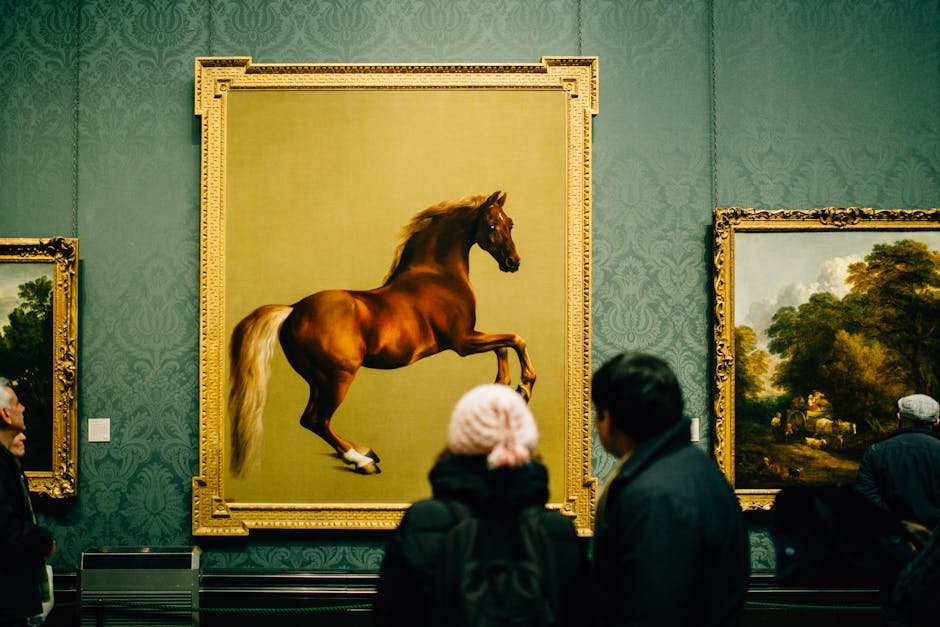
Animals: Dogs often signal loyalty or marital fidelity in portraits and interiors, but they can also be household pets or status markers. Rabbits may suggest fertility or desire, yet in sacred imagery they can shift toward innocence or conquered lust. Lions, dragons, and serpents usually steer interpretation toward courage, evil, temptation, or saintly victory, although the nearby figure often determines which meaning applies. Even elegant birds are unstable signs: a peacock may hint at resurrection or vanity, and a dove may refer to the Holy Spirit, peace, or affection depending on the scene.
Plants and fruit: Orange blossom and myrtle commonly belong to marriage and love; laurel leans toward victory, poetic distinction, or cultivated virtue. Apples can evoke the Fall, grapes often pull toward Eucharistic meaning and redemption, and pomegranates are dense symbols of fertility, unity, and eternal life. Trees and branches matter too: oak suggests strength, palm branches point to martyrdom, and olive branches can indicate peace or divine favor. Sometimes a seasonal landscape matters more than any one plant, because spring growth can quietly frame the whole image around renewal, courtship, or resurrection.
Everyday objects: Mirrors can imply vanity, witness, self-knowledge, or moral scrutiny. Jewels, combs, and expensive fabrics often mark wealth or marriage, but they can also be straightforward displays of rank. Candles, broken columns, and locked garden gates tend to move a painting toward life, death, fragility, or chastity. Musical instruments, books, globes, and maps usually point toward harmony, education, or worldly reach, although an unused instrument may suggest discord or transience instead. Small background details often carry the sharpest meaning, which is why a windowsill, carpet, or distant landscape deserves as much attention as the central figure.
Colors, clothing, and gestures as social clues
Colors in Renaissance art work best when read in relation to subject and costume. Blue often carries dignity, constancy, heavenly association, or Marian meaning; red can signal authority, love, or sacrifice; white tends toward purity; black may suggest mourning, gravity, or elite formality rather than simple negativity. Crowns, veils, armor, and rich textiles also help sort out identity, status, marriage, modesty, and public power.
Gestures often do more interpretive work than objects. Pointing hands can identify the real focus of a scene, raised eyes can suggest prayer or revelation, and open palms may communicate acceptance or appeal. If you want a quick example of how body language changes interpretation, this visual guide to understanding Renaissance gestures is useful.
Why meanings shift across Renaissance art
The same symbol does not travel unchanged across the Renaissance. Northern painters often load interiors and surfaces with dense, meaningful objects, while Italian works may distribute meaning through pose, architecture, landscape, or classical quotation. Neither approach is less symbolic; the clues are simply placed in different parts of the image.
Patronage and local habit matter just as much. A family commission, a chapel altarpiece, and a civic picture do not speak the same visual language. Some details encourage devotion, some flatter a patron, some point to a personal emblem, and some are included because they improve realism or balance. A careful reading leaves room for symbolism without insisting that every detail must be decoded.
Famous paintings worth testing this method on
- Botticelli’s Primavera: flowers, fruit, and the grove create a world of spring, love, fertility, and cultivated beauty. It rewards mythological reading more than church-style symbol hunting.
- Leonardo’s Annunciation and Virgin of the Rocks: lilies, plants, gestures, and landscape all matter, but Leonardo folds symbolism into atmosphere rather than announcing it bluntly.
- Jan van Eyck’s Arnolfini Portrait: the mirror, fruit, candle, dog, and domestic interior seem ordinary at first, yet together they build meanings around marriage, witness, piety, wealth, and household order.
- Raphael and Titian: their symbols are often elegant rather than obscure. The Royal Academy’s explanation of how to read a Renaissance painting is a good example of how a small attribute such as Saint Peter’s keys can anchor both identity and larger meaning.
Common mistakes to avoid
- Using one-word definitions too rigidly. A dog is not always fidelity, and a snake is not always evil.
- Reading modern habits backward. Contemporary color associations and pop psychology rarely fit 15th- and 16th-century imagery cleanly.
- Ignoring the image type. A dove in a sacred work and a dove in a love image may not be doing the same job.
- Trusting symbol lists without context. Lists are useful starting points, but they flatten uncertainty and debate.
A simple method you can use anywhere
- Name the subject type first: biblical scene, myth, portrait, or allegory.
- List the details that seem unusually placed or repeated.
- Group them into objects, animals, plants, clothing, and gestures.
- Choose the reading that explains the most clues with the fewest forced assumptions.
- Check a reliable source if the work is famous or the symbolism seems unusually dense.
For accessible next steps, Art Critique’s introduction to Renaissance symbolism and the Royal Academy’s reading guide are good places to continue.
FAQ
Do all objects in Renaissance paintings have symbolic meaning?
No. Many details are descriptive, decorative, or simply part of believable storytelling. Symbols usually become convincing when context and repetition support them.
What is the easiest symbol for beginners to spot?
The lily is one of the most approachable because it appears so often in Annunciation scenes and is strongly linked with the Virgin Mary and purity.
How do you avoid overreading a painting?
Start with the subject, then look for groups of clues instead of forcing every object into a secret message. The best interpretation usually explains several details at once.