Hyundai Tucson vs Kia Sportage: Best Value Compact SUV for Families
Choosing a family SUV sounds easy until you compare two strong options that look very similar on paper. If you are deciding between the Hyundai Tucson and Kia Sportage, the challenge is not finding a capable compact SUV. It is figuring out which one gives your family the better mix of space, comfort, safety, features, and long-term value without paying for extras you may never use.
Both models are popular for good reason. They offer roomy cabins, modern technology, strong warranty coverage, and a practical size for school runs, grocery trips, and weekend travel. For families, though, small differences matter. Rear-seat comfort, cargo flexibility, child-seat friendliness, and trim value can make one a better fit than the other.
This Hyundai Tucson vs Kia Sportage comparison focuses on the things family buyers care about most, so you can narrow down the best value compact SUV for your needs.
Quick Verdict for Families
Which SUV offers better overall value?
For most families, the Hyundai Tucson and Kia Sportage are closely matched. The Tucson often feels like the safer all-around value pick if you want a smooth ride, a clean cabin layout, and strong family-friendly features at competitive trim levels. The Sportage stands out if you want bold styling, a very roomy interior, and a more tech-forward feel.
If your priority is a balanced package with low ownership stress, the Tucson may have the edge. If you want maximum interior usefulness and a more distinctive personality, the Sportage is very appealing.
Who should choose the Hyundai Tucson?
- Families who want a calm, comfortable daily driver
- Buyers looking for strong value in mid-level trims
- Parents who prefer a straightforward cabin design and easy controls
- Shoppers who want a compact SUV that feels refined without moving up in size
Who should choose the Kia Sportage?
- Families who want generous rear-seat room and flexible cargo space
- Buyers who like more dramatic exterior and interior styling
- Parents who prioritize a modern dashboard and available convenience tech
- Shoppers willing to compare trims carefully for the best feature mix
Space, Seating, and Family Comfort
Passenger space for adults, kids, and car seats
Both SUVs use their footprint well. That matters for families who need enough room for child seats without stepping up to a larger, harder-to-park vehicle. Front-seat passengers should have plenty of space in either model, and the second row is usable for kids, teenagers, and adults.
For car-seat duty, the key question is how much room remains in front after a rear-facing seat is installed. That can vary by seat design, so it is always smart to test your own child seat before buying. In general, both the Tucson and Sportage are practical choices for young families thanks to wide rear doors and family-friendly seating layouts.
Rear-seat comfort and legroom
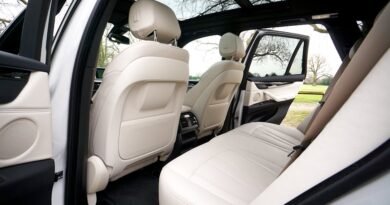
Rear-seat comfort is a strong point for both models. The Sportage is often praised for its roomy second row, which can be especially helpful if you regularly carry older kids or adults. The Tucson is also spacious and comfortable, with a rear bench that works well for everyday family use.
If your children are growing quickly or you often bring grandparents along, test both vehicles in person. Sit behind your normal driving position and check:
- Knee room
- Foot room under the front seats
- Headroom in trims with a sunroof
- Ease of buckling booster seats
Cargo space for strollers, groceries, and trips
Cargo space is a deciding factor for many family buyers, and both SUVs are strong here. A compact SUV should handle a stroller, diaper bags, sports gear, groceries, and luggage for a short trip without constant rearranging. The Sportage is often seen as slightly more cargo-friendly in everyday use, while the Tucson remains highly competitive.
What matters most is not just the published cargo number but the shape of the load area. A flatter floor, wider opening, and lower lift-over height can make loading much easier when your hands are full.
Cabin storage and everyday usability
Family vehicles live or die by small details. Cupholders, door pockets, center-console storage, and easy places to put phones, snacks, wipes, and charging cables all make daily life easier. Both the Tucson and Sportage offer thoughtful storage, but layout preference may come down to personal taste.
Check whether the cabin gives you:
- Large bottle holders in the doors
- Easy-to-reach cupholders that do not interfere with shifting
- A useful center bin for family essentials
- Rear-seat storage for kids’ items
Features Families Actually Use
Infotainment and device charging
Modern families expect easy phone pairing, quick charging, and a screen that does not distract the driver. Both SUVs offer strong infotainment options, but ease of use can differ by trim. Some buyers prefer physical controls for quick adjustments, while others like a cleaner touch-based layout.
When comparing trims, focus on practical features rather than screen size alone:
- Wireless smartphone integration, if available
- USB ports in the front and rear
- Wireless charging pad
- Simple menus and quick response
For broader guidance on in-car technology and distraction, the National Highway Traffic Safety Administration explains distracted driving risks.
Climate control and child comfort
Rear air vents can make a real difference for children in car seats, especially in very hot or cold weather. Available dual-zone climate control, heated seats, and other comfort features can also improve daily family use. These items may seem minor during a short test drive, but they matter more during school pickup lines and road trips.
Convenience features worth prioritizing
Convenience features are where many families find real value. A power liftgate helps when loading a stroller with one hand. Keyless entry is useful when you are carrying kids and bags. Remote start can make the cabin more comfortable before everyone gets in.
These are the features worth prioritizing because you will likely use them often.
Which trims usually make the most sense?
In both lineups, lower trims may cover the basics well, but mid-range trims often hit the sweet spot. That is usually where you find the best mix of safety, comfort, and convenience without paying luxury-level prices. Compare standard equipment carefully, because one trim may include several useful extras that cost more elsewhere.
Safety and Driver Assistance
Standard safety features
Both SUVs typically offer a strong set of standard driver-assistance features, which is a major plus for family buyers. Depending on trim and market, this may include forward collision warning, automatic emergency braking, lane-keeping support, and blind-spot monitoring.
To confirm what is included on the exact vehicle you are shopping, review the manufacturer pages for the Hyundai Tucson and Kia Sportage.
Safety upgrades worth paying for
Not every available safety feature is essential, but some are genuinely useful for busy parents. A surround-view camera, parking sensors, adaptive cruise control, and highway driving assistance can reduce stress during commutes and long trips. These features are especially valuable if your family spends a lot of time in traffic.
Child-seat installation and real-world practicality
For families with younger children, practical safety matters just as much as the feature list. Check rear door opening size, LATCH anchor accessibility, and whether bulky car seats fit without forcing the front seats too far forward. A vehicle can look spacious but still be awkward during real-world child-seat installation.
Crash test results to review
Before buying, review independent crash test results from trusted programs such as the Insurance Institute for Highway Safety. Look beyond the headline rating and check the exact trim, safety equipment, and test category.
Performance and Daily Driving
Engine choices and everyday driving feel
Neither of these SUVs is mainly about sporty driving. For most families, what matters is smooth power delivery, easy merging, and predictable response in traffic. Both models generally offer engine choices suitable for commuting, errands, and highway travel, with some versions also available in more efficient electrified forms depending on market.
Ride comfort and road-trip friendliness
The Tucson often appeals to buyers who want a composed, comfortable ride. The Sportage is also family-friendly, though some shoppers may prefer one over the other depending on wheel size and trim setup. If comfort is a high priority, do not assume the highest trim is best. Larger wheels can sometimes reduce ride softness.
Visibility and parking ease
Visibility, camera quality, and steering ease matter more than cornering ability for most family shoppers. Both SUVs are manageable in parking lots and suburban traffic, but your confidence may come down to mirror design, pillar placement, and camera clarity. Test them in a tight parking space if possible.
Fuel economy and efficiency
Fuel economy can be close between comparable versions, so compare the exact powertrain you plan to buy. In real life, driving style, trip length, climate, and passenger load all affect efficiency. If your household drives a lot, even a small difference can add up over time.
Ownership Costs and Long-Term Value
Price and equipment value
Value is not just about the lowest sticker price. It is about how much useful equipment you get before moving into expensive trims. Both Hyundai and Kia are known for strong feature content, so compare not only base prices but also what is standard at the trim you actually want.
Warranty and maintenance
One reason these two SUVs are so attractive is their strong warranty reputation compared with many rivals. That can lower ownership stress for families planning to keep the vehicle for several years. Routine maintenance, tire costs, and brake wear will still matter, so ask the dealer for a realistic service schedule.
Insurance, fuel, and running costs
Insurance can vary by trim, drivetrain, and location. Before choosing, get quotes on the exact versions you are considering. Fuel costs are easier to estimate, but they still depend on your daily routine. A family doing mostly short city trips may see very different results than one commuting long highway distances.
Resale value and budget impact
Resale value helps shape long-term affordability, especially if you expect to trade in after a few years. Condition, mileage, maintenance history, and trim desirability all affect future value. Mid-level trims with popular family features often make the most sense because they are easier to sell later than either bare-bones or heavily loaded versions.
Best Trim for Value
Best Tucson trim for families on a budget
The best Tucson value is often a lower-mid trim that adds key safety and convenience features without pushing the price too high. Look for the trim that includes rear-seat comfort essentials, smartphone connectivity, and useful driver assistance before stepping up to premium appearance upgrades.
Best Sportage trim for price and features
For the Sportage, the sweet spot is also commonly found in the middle of the lineup. That is where families can often get the best blend of comfort, tech, and convenience while avoiding the cost jump tied to luxury-style extras.
Optional packages that are usually worth it
- Packages that add parking sensors or a surround-view camera
- Cold-weather features if you live in a colder climate
- Power liftgate and keyless convenience upgrades
- Driver-assistance upgrades you will use regularly
Features many families can skip
- Large wheels if ride comfort matters more than appearance
- Premium audio if you mostly listen to podcasts or kids’ music
- Cosmetic trim upgrades with little practical benefit
- Expensive add-ons that duplicate your smartphone’s functions
Which Compact SUV Is Better for Your Family?
Best choice for maximum space
If interior room is your top priority, the Kia Sportage may be the better fit, especially for families who regularly use the rear seat and cargo area heavily.
Best choice for tech and convenience
This one is close, and the winner depends on the trim. The Sportage may feel more modern to some buyers, while the Tucson often wins points for a calmer and more intuitive daily experience.
Best choice for value and lower ownership stress
The Hyundai Tucson is often the easier recommendation for families who want a balanced package with strong features, comfort, and reassuring long-term value.
Final buying checklist
- Bring your child seats and test the fit
- Load a stroller or similar cargo item into the back
- Compare mid-level trims, not just base models
- Check exact safety features on the vehicle you want
- Get insurance quotes before making a final decision
- Take a test drive on both city streets and the highway
In the end, there is no bad choice here. The better family SUV is the one that fits your budget, your passengers, and your daily routine with the fewest compromises. For many buyers, that will be the Hyundai Tucson. For others who prioritize interior room and bold design, the Kia Sportage may be the better value.