Packing List for a Multi-Day Tour: What to Bring and What to Leave Behind
Planning a guided trip with hotel changes, early starts, and long sightseeing days? A smart packing list for a multi-day tour keeps you comfortable without turning every transfer into a struggle. These trips reward practical packing: luggage limits matter, weather can shift between stops, and your main bag may be out of reach until evening.
This guide focuses on what guided travelers actually need. Use it to choose the right bag, build a rewearable clothing plan, and keep the essentials close during long touring days.
Key Takeaways
- Build your list from your itinerary, not from a generic vacation template.
- Tour style changes everything: coach tours, hiking trips, safaris, and small-group city routes all have different luggage priorities.
- Repeatable layers, two useful pairs of shoes, and a well-packed day bag usually matter more than extra outfits.
- Check luggage rules before you pack, especially if the tour uses trains, small vehicles, or internal flights.
- Keep medication, documents, chargers, and one fresh change of essentials easy to reach in case your main bag is delayed or stored all day.
How to build a packing list for a multi-day tour
Start with the tour style, not just the number of nights
Five nights on a coach tour and five nights on a trekking route can require very different gear. Trip length matters, but daily logistics matter more: how often you move hotels, how much walking you do, and whether you can easily access your main bag during the day.
- Guided coach tours: A rolling bag usually works well, but your luggage may sit in the coach hold for hours, so day-bag essentials are critical.
- Small-group city or rail trips: Flexible luggage is easier on stairs, cobblestones, and platforms. A large suitcase becomes frustrating fast.
- Hiking or adventure tours: Weight matters more, and quick-drying layers earn their place. Extra outfits rarely do.
- Safari or expedition trips: Soft bags often store more easily and may be required. Rigid cases can be awkward in small vehicles.
Before you finalize your list, check bag size and weight limits, whether soft-sided luggage is preferred, and how often you will carry your own bag. If you like broad category prompts, this packing checklist from SmarterTravel is useful as a reminder, but your itinerary should decide what actually goes in the bag.
Clothing that earns its space
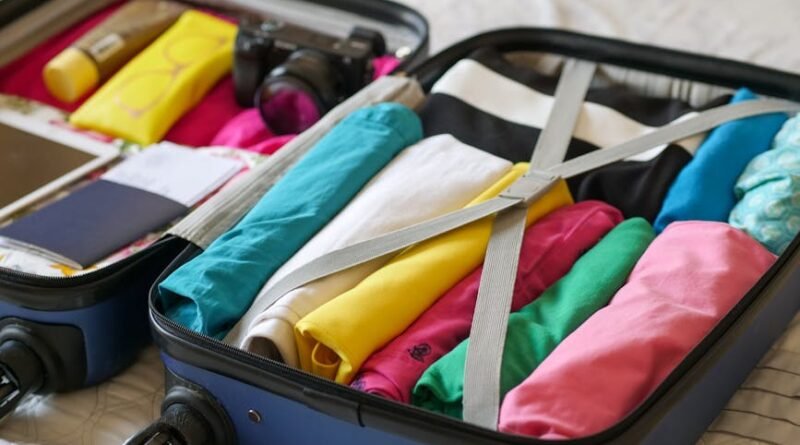
The easiest way to overpack is to plan a fresh outfit for every day. Guided trips usually work better with a small mix-and-match system: fewer pieces, more repeats, and layers that handle cold mornings, warm afternoons, and air-conditioned transport.
- 3 to 5 tops, depending on trip length and laundry access
- 2 bottoms that work with every top
- 1 light mid-layer such as a sweater, fleece, or cardigan
- 1 rain or wind layer that is easy to carry
- 1 slightly smarter top or outfit if your itinerary includes nicer dinners
- Underwear and socks matched to your walking days, not cut to the bare minimum
Laundry access can reduce what you pack more than any organizer or compression trick. If you can wash halfway through the trip, you usually need far fewer clothes than days away. A light scarf or shawl is also worth considering if your tour includes religious sites or chilly coaches.
Shoes are where many travelers lose space. For most guided trips, two pairs are enough: one broken-in walking shoe and one secondary pair for evenings, wet weather, or downtime. Add trail shoes only if the itinerary genuinely includes rough terrain. One simple way to cut excess is to pack early, then remove what did not survive your first edit; EF Go Ahead Tours shares a similar repacking approach.
What belongs in your day bag
Your day bag should cover everything you may need before you see your room again. On many guided trips, that window is longer than travelers expect.
| Main bag | Day bag |
|---|---|
| Most clothing and spare shoes | Wallet, phone, and tour details |
| Full toiletry kit | Prescription medication and a few basics such as pain relief or blister care |
| Backup chargers and items only needed at night | Charging cable, power bank, and anything valuable you do not want checked |
| Laundry items and nonessential extras | Water bottle, snack, sunscreen, sunglasses, and a light weather layer |
| Bulkier backup clothing | One fresh top or other small change of essentials for delays or inaccessible luggage |
Carry your passport only when required by local rules or the day’s transport. Otherwise, many travelers prefer to store it securely and carry a copy, provided that fits destination guidance and your tour operator’s instructions.
Toiletries, health items, and documents
- Toiletries: Stick to travel-size basics and skip full-size bottles unless the route is long or remote.
- Medication: Keep prescriptions in your day bag, with a small buffer for delays if possible.
- Personal essentials: Pack items that are harder to replace quickly on a busy itinerary, such as contact lens supplies, menstrual products, or specialty skincare.
- Documents: Keep digital copies on your phone and in secure cloud storage, and carry printed backups of key details.
- Money: Split it up. One main card stays in your wallet; a backup card goes elsewhere.
A tiny laundry kit can be more useful than an extra outfit on longer tours. Detergent sheets, a lightweight laundry bag, and a simple system for separating clean clothes from worn ones save space and reduce daily mess.
Choose luggage that matches the route
| Bag type | Best for | Main limitation |
|---|---|---|
| Carry-on or soft-sided roller | Coach tours and standard hotel routes | Great on smooth floors, annoying on stairs and rough streets |
| Travel backpack | Frequent hotel changes, trains, ferries, mixed transport | Easy to overfill, and heavy loads get uncomfortable quickly |
| Soft duffel | Safari and expedition-style trips with tight storage | Flexible to store, but the least comfortable option for long carries |
| Hard-shell case | Urban, hotel-based trips and fragile items | Protective, but less flexible in small vehicles and crowded luggage areas |
For daily excursions, choose between a small daypack and a crossbody based on what you truly carry. A daypack is better for water, layers, and full-day outings, but it is easy to overload. A crossbody works well in cities and museums, but it becomes uncomfortable if you try to fit too much. If you are comparing personal-item styles, Eagle Creek offers a useful overview of common travel day-bag options.
What not to pack for a multi-day tour
- Bulky coats when a warm layer plus a shell would cover the same conditions
- More than two useful shoe pairs unless the itinerary clearly demands them
- Heavy guidebooks, oversized gadgets, and other items you may use once
- Expensive jewelry or sentimental valuables that create more stress than convenience
- Full-size toiletries or hotel-supplied items you have not confirmed you need
- Too many just-in-case outfits packed for unlikely scenarios
Leave some space in your bag. Souvenirs, snacks, wet layers, or a last-minute purchase are easier to manage when your luggage is not already full.
Simple 5-day packing list for a multi-day tour
| Item | Quantity |
|---|---|
| Tops | 4 |
| Bottoms | 2 |
| Mid-layer | 1 |
| Rain or wind layer | 1 |
| Underwear | 5 |
| Socks | 5 |
| Sleepwear | 1 |
| Walking shoes | 1 pair |
| Secondary shoes | 1 pair |
Add your phone, charger, travel adapter, power bank, documents, medication, sunscreen, water bottle, and a compact toiletry kit. For colder weather, upgrade your layers instead of adding lots of bulky clothing. For hiking trips, swap the secondary shoes for trail footwear. For formal dinners, add one dedicated outfit only if the schedule truly calls for it.
Final check before the tour starts
- Check the weather for your first stop and wear your bulkiest shoes or outer layer in transit.
- Charge your phone, power bank, camera, and any small devices you rely on.
- Place documents, medication, chargers, and your day-one essentials in the day bag.
- Weigh your luggage if your itinerary has strict limits.
- Do one last edit and remove anything with no clear job on the trip.