Rome often looks its best after sunset: quieter monuments, glowing piazzas, late dinners, and streets that feel made for wandering. For most visitors, the best experience comes from choosing the safe areas in Rome at night carefully and knowing when a scenic walk should turn into a taxi ride.
You do not need alarmist advice to enjoy Rome after dark. You need a realistic sense of which neighborhoods stay active, where comfort drops off, and how to move around without making yourself an easy target for petty theft or bad routing decisions.
Key Takeaways
- Centro Storico, Trastevere, Prati, and Monti are usually the easiest neighborhoods for evening walks.
- The biggest nighttime risk for visitors is usually pickpocketing, especially in crowds, on transit, and around nightlife streets.
- Termini, empty side streets, parks, and quiet river stretches deserve more caution late at night.
- If a street loses lighting, people, and open businesses, change route immediately instead of hoping it improves.
- For late returns or unfamiliar areas, a licensed taxi or reputable ride app is often the smartest option.
Is Rome safe to walk at night?
Usually yes, especially in the historic center and other neighborhoods that stay active after dinner. Around the Pantheon, Piazza Navona, Trevi Fountain, the Spanish Steps, and busy parts of Trastevere, evenings tend to feel lively rather than deserted.
The bigger problem is distraction, not drama. Visitors stop for photos, leave bags open, or stand outside stations checking directions with phones in hand. A local safety overview of Rome after dark describes the same pattern: central Rome often stays comfortable well into the evening, but crowded areas still reward basic caution.
What changes after dark is how quickly the mood can shift from one block to the next. A bright square can lead straight into a dim lane with no open businesses and nobody around. That does not automatically mean danger, but it does mean less margin for error.
- Solo travelers: Usually do best in central, active areas with a clear route back.
- Families: Often find early evening walks in the center easier than late hours in bar-heavy streets.
- Photographers: Get the safest, most relaxed experience where landmark views and foot traffic overlap.
Safe areas in Rome at night: where evening walks feel easiest
If you want a low-stress night out, start where Rome stays busy after dinner. These neighborhoods are the most reliable for strolling, food tours, and casual photography.
| Area | Best for | Why it works | Main trade-off |
|---|---|---|---|
| Centro Storico | First-time visitors | Major sights are close together and the streets stay busy. | Heavy crowds make phones and bags easier to target. |
| Trastevere | Dinner, food tours, nightlife | Restaurant streets and piazzas keep the area lively late. | Noisy, crowded, and less comfortable once you leave the main lanes. |
| Prati | Calmer evenings near the Vatican | Broader streets and a more orderly feel than much of the center. | Some blocks empty out earlier than visitors expect. |
| Monti | Bars, couples, return visitors | Compact, walkable, and easy to combine with the Colosseum. | The atmosphere can change quickly from one street to the next. |
| Tiber near central bridges | Sunset photos and scenic walks | Open views and strong photo spots around busy crossings. | Later at night, quieter stretches feel far less comfortable. |
Centro Storico is the safest default for most first-time visitors. Within it, Piazza Navona and the Campo de’ Fiori area are especially easy for people-watching and late dinners because you are rarely far from an open café or a busier street. Trastevere is better when food and atmosphere matter more than calm streets, while Prati suits travelers who want a quieter base near the Vatican. A local Rome at night guide makes the same practical point: stick to well-lit streets where locals and visitors are still out eating and strolling.
Areas that deserve more caution after dark
Termini is useful but rarely enjoyable late at night. It is fine for arriving, leaving, or finding transport, yet it is not the place most visitors would choose for a relaxed walk. Go there with a purpose and keep moving.
Use more care on poorly lit side streets, empty parks, isolated viewpoints, and long river stretches once the evening crowd thins. None of these are automatic no-go areas, but they remove the simple comforts that make Rome easy at night: visibility, open businesses, and other pedestrians.
When you are unsure whether to keep walking, ask yourself three quick questions:
- Can you see open doorways, cafés, or hotels ahead?
- Are there ordinary pedestrians around, not just passing traffic?
- Would a busier parallel street get you there with less guesswork?
If the answer is no more than once, reroute early.
Best evening routes for strolling, dining, and photos
- Spanish Steps to Trevi Fountain to the Pantheon: the easiest first-night route, with famous sights close together and steady foot traffic. Best for first-time visitors; less appealing if you want quiet.
- Piazza Navona to Campo de’ Fiori to Trastevere: ideal for dinner, food tours, and a social atmosphere. Great for groups and couples; weaker if nightlife noise wears you out.
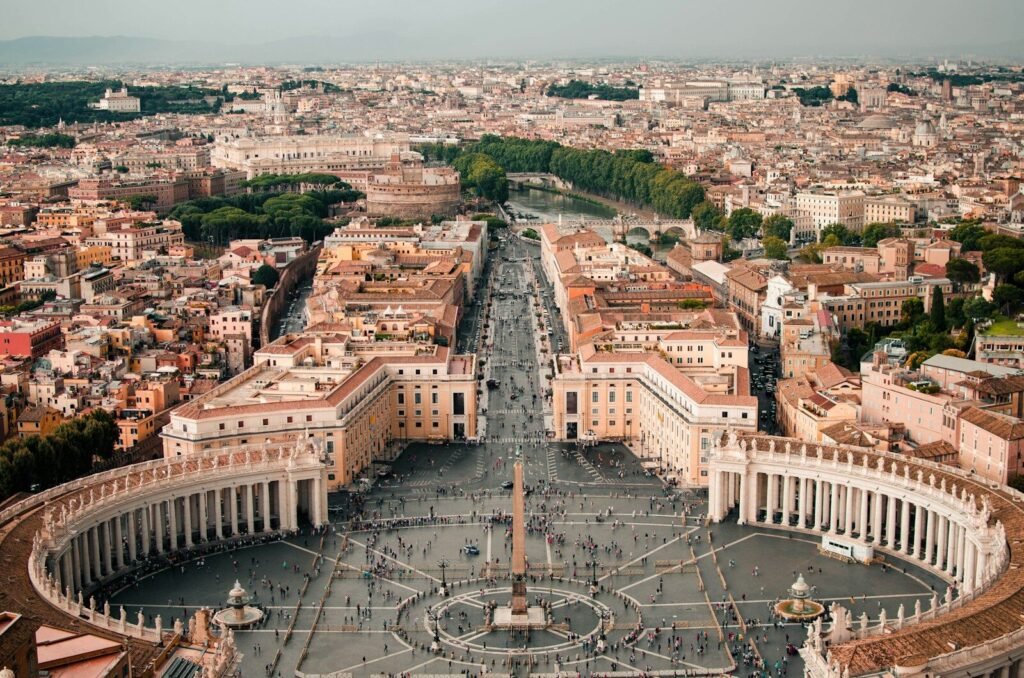
- Castel Sant’Angelo to St. Peter’s Square: wider, calmer, and especially good for photography. Best at blue hour before the area starts to empty.
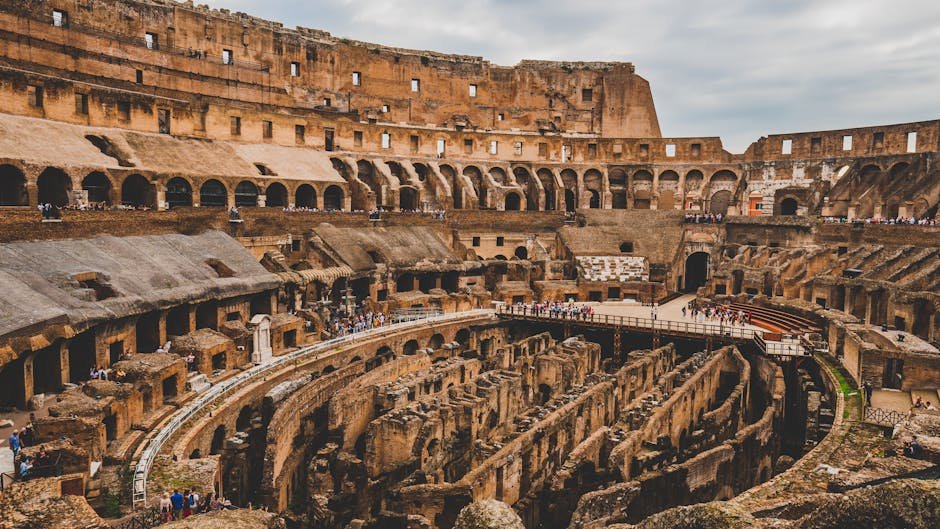
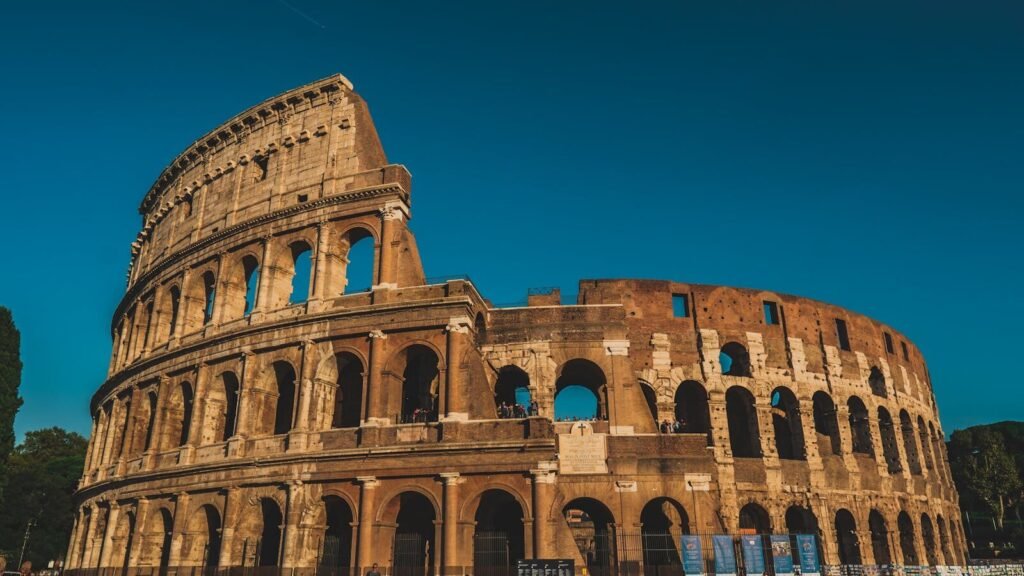
- Monti to the Colosseum exterior: a memorable route that mixes bars and neighborhood energy with a dramatic finish. Best if you stay nearby or already plan a ride back.
If you want a longer landmark loop, this sample central evening walking route is useful because it links Rome’s best-known sights through the busiest part of the center.
Practical safety tips that matter most in Rome at night
- Protect against pickpockets: keep bags zipped and in front of you, and keep phones and wallets out of easy-access pockets.
- Carry less: one payment method, some cash, your phone, your accommodation address, and any ID you actually need are enough for most evenings.
- Plan the return before dinner: tired feet and cobblestones make bad route choices much more likely later.
- Use maps deliberately: download an offline map, then step into a lit doorway or café if you need to check directions.
- Switch to a taxi when the walk stops feeling easy: late hours, empty streets, or a cross-city return are good reasons to stop improvising.
- Stay alert on transit: metro stations, buses, trams, and crowded boarding moments are where distraction theft is easiest.
For transport, use official taxi stands, ask your hotel or restaurant to call one, or book through a reputable app. Avoid getting into vehicles offered by people who approach you first.
Solo travelers and photographers: a few extra habits help
Solo visitors usually have the best nights when they keep things simple: active neighborhood, direct route back, and no unnecessary shortcuts. Many women traveling alone feel more comfortable on main streets and in busy piazzas than on quieter lanes, even when the quieter route is shorter. If someone is too persistent, move straight into a hotel lobby, café, or restaurant instead of trying to manage the situation on the street.
For photography, stay where the landmark is still part of the city’s evening flow: the Pantheon, Piazza Navona, Trevi approaches, Castel Sant’Angelo, St. Peter’s Square, or the active roads near the Colosseum. Use a plain bag, keep lens changes quick, and move on once the crowd starts thinning.
If something feels off, leave early
You do not need proof that a street is dangerous before deciding it is not worth the uncertainty. Step into a café, hotel, or busy shop, recheck your route, and call a taxi if needed. For urgent help in Italy, call 112. If something is stolen, secure the rest of your belongings first, freeze cards, and get back to a staffed place before dealing with paperwork.
FAQ
Is Rome safe for solo travelers at night?
Usually yes in lively central areas. Route choice matters more than bravado: busy streets and a direct return are far easier than wandering into quiet outer blocks.
Is Termini one of the safe areas in Rome at night?
It is functional, not relaxing. Termini works for transport and arrivals, but most visitors prefer to spend their evening in Centro Storico, Trastevere, Prati, or Monti.
What is the biggest risk after dark?
For most travelers, it is petty theft rather than serious violence. Crowds, transport hubs, and nightlife streets are where bags and phones need the most attention.
Should you walk back to your hotel after midnight?
Only if the route is short, familiar, and stays in active central streets. If you are tired, unsure, or crossing quieter areas, a licensed taxi or ride app is the better call.