Rome Night Tours Guide: What to Expect, Top Sights, and Safe Planning Tips for Couples and Solo Travelers
Rome changes character after sunset. The daytime crowds thin out, major monuments glow under warm lighting, and the city feels more atmospheric, more romantic, and often easier to enjoy at a slower pace. If you are considering Rome night tours, the big questions are usually simple: what will you actually see, which type of evening tour is worth it, and how do you plan a safe night out without wasting time or money?
This guide walks you through what Rome looks like after dark, the kinds of tours that make the most sense for couples and solo travelers, what to expect from popular evening routes, and the practical safety steps that matter most. Whether you want a relaxed stroll, a food-focused evening, or a guided history experience, you will know how to choose well and plan confidently.
Key Takeaways
- Rome night tours are best for atmosphere, cooler temperatures, and seeing famous landmarks beautifully lit rather than entering every site.
- The most rewarding evening routes usually include the historic center, major piazzas, fountains, and exterior monument views.
- Couples often prefer walking, food, or private-style tours, while solo travelers may get better value and comfort from small-group options.
- Safety is usually about route choice, transport planning, and awareness, especially late at night around busy transit areas.
- Comfortable shoes, a charged phone, and realistic timing make a bigger difference than overplanning.
What Rome night tours actually show you
The city’s landmarks from the outside
Many travelers imagine a night tour as full access to every major attraction, but that is not usually how it works. Most Rome night tours focus on exterior views, illuminated landmarks, lively streets, and storytelling rather than long indoor visits.
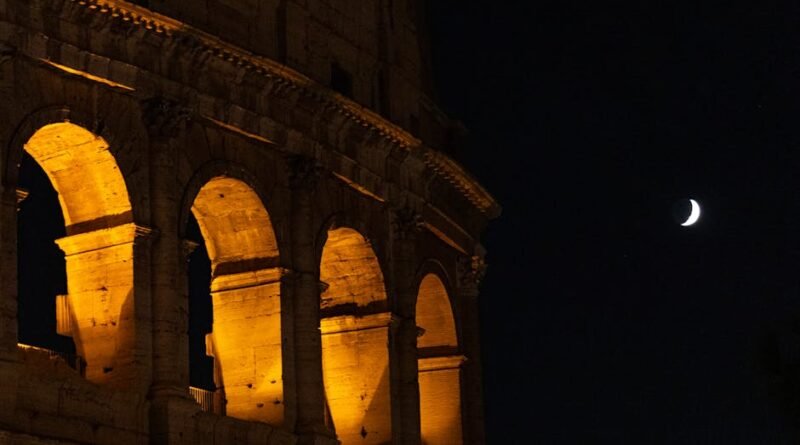
That is not a drawback. In Rome, some of the most memorable evening moments come from seeing places like the Colosseum, Piazza Navona, the Trevi Fountain, the Pantheon area, Castel Sant’Angelo, and St. Peter’s Square glowing after dark.
The atmosphere you miss during the day
After dark, the city feels less like a checklist and more like a lived-in place. You notice the sound of footsteps on cobblestones, the evening passeggiata, and the way piazzas fill with conversation rather than tour groups rushing past.
As Rick Steves notes in his piece on Rome after dark, an early evening stroll is one of the best ways to feel the city’s rhythm. That is often exactly what a good night tour helps you do.
Limited but sometimes special interior access
Some evening experiences do include entry, but these are more specific and often seasonal. Examples can include certain Colosseum or Vatican-related night visits, depending on availability and the operator.
If interior access matters to you, check the tour details carefully. Do not assume that “night tour” means skip-the-line entry to major sites.
Which type of night tour is best for your travel style
Walking tours for first-time visitors
A walking tour is often the best starting point if you want orientation and atmosphere at the same time. These tours usually cover the historic center and connect several famous sights in one manageable route.
They work especially well for first-time visitors because you get context, practical local tips, and a better sense of how Rome’s central areas connect.
Food tours for couples and relaxed evenings
If your ideal night is less about checking monuments and more about enjoying the city, a food tour can be a strong choice. These usually combine neighborhood walking with classic Roman dishes, wine, and local explanations.
For couples, this format often feels more natural than a fast-paced sightseeing route. It creates a built-in dinner plan and turns the evening into an experience rather than just transport between sights.
Small-group tours for solo travelers
Solo travelers often benefit from small-group Rome night tours because they balance structure and flexibility. You get company, a guide, and a safer feeling when moving through unfamiliar streets at night.
They can also be more cost-effective than private tours while still feeling personal enough to ask questions and enjoy the evening comfortably.
Golf cart, e-bike, or vehicle tours for low-effort sightseeing
If you want to cover more ground with less walking, mobile tour formats can work well. They are useful if you have limited time, want to avoid long stretches on cobblestones, or simply prefer a more comfortable pace.
The trade-off is that you may lose some of the intimate street-level feeling that makes Rome so appealing at night.
| Tour type | Best for | Main trade-off |
|---|---|---|
| Walking tour | First-time visitors, history lovers | More time on foot |
| Food tour | Couples, relaxed evenings | Fewer major sights covered |
| Small-group night tour | Solo travelers, balanced value | Less flexibility than private tours |
| Vehicle or golf cart tour | Short stays, low-effort sightseeing | Less immersive street experience |
What you can realistically expect to see after dark
Classic central Rome route
A typical evening route in central Rome may include Piazza Venezia, the Capitoline area, the exterior of the Colosseum, the Roman Forum viewpoints, the Pantheon district, Piazza Navona, and the Trevi Fountain. Some tours also pass through Campo de’ Fiori or cross toward the river for views near Castel Sant’Angelo.
This route is strong because it combines famous landmarks with walkable streets that still feel lively in the evening.
Colosseum and ancient Rome focus
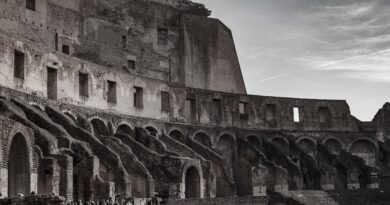
If you choose a tour centered on ancient Rome, expect dramatic exterior views and a different mood from daytime sightseeing. The Colosseum area can feel especially striking at night because the lighting emphasizes the structure’s shape and scale.
If you are interested in this niche, it helps to compare options carefully. General inspiration can be found in guides such as this overview of things to do in Rome at night, which highlights how some evening experiences differ from standard daytime visits.
Neighborhood and dining-led evenings
Not every good night tour is about monuments. Some of the most enjoyable evenings focus on neighborhoods, aperitivo culture, local food stops, or a slower walk through beautiful streets where the city feels more personal.
This style suits travelers who have already seen the headline sights or who want a less tourist-heavy experience.
Quick Tip: If you only have one evening in Rome, choose a route that mixes major landmarks with time to stop, look around, and enjoy the atmosphere. A tour that tries to cover too much can feel rushed and less memorable.
How to choose a safe and enjoyable evening tour
Check the route, not just the title
Tour names can sound similar, but the actual route makes the real difference. Look for clear mention of neighborhoods, landmarks, walking duration, and whether transport is included at the end.
A good route for most travelers stays in central, well-lit, active areas rather than requiring complicated late-night transfers.
Pay attention to timing and ending point
A tour that ends at 9:00 p.m. is different from one that ends close to midnight. Before booking, think about how you will get back to your hotel or accommodation, especially if you are staying outside the historic center.
This matters even more for solo travelers, who may prefer a finish point near a reliable taxi area or easy pre-booked ride pickup.
Choose the right group size
Very large groups can feel slow and impersonal at night. Very small or private tours can feel more comfortable and flexible, but they usually cost more.
For many travelers, small-group Rome night tours offer the best middle ground: enough social comfort, enough guide attention, and less waiting around.
Practical safety tips for couples and solo travelers
Stay in active, well-lit central areas
Rome is widely enjoyed after dark, especially in central districts where visitors and locals are still out in the evening. Practical safety usually comes down to sticking to busy routes, avoiding isolated shortcuts, and staying aware of your belongings.
This is also reflected in advice from Walks Inside Rome’s guide to visiting Rome by night, which recommends staying on main streets and keeping an eye on your belongings.
Be especially alert around transit hubs
Areas around major stations can feel less pleasant late at night than the historic center. If your accommodation is near a transport hub, it can be worth taking a taxi or rideshare directly back instead of walking unfamiliar streets after your tour ends.
That is not about panic. It is just smart travel planning.
Keep your evening setup simple
- Wear shoes that handle uneven cobblestones well.
- Carry only what you need.
- Keep your phone charged.
- Know your return route before the tour starts.
- Avoid displaying valuables while stopping for photos.
Quick Tip: Save your accommodation address offline and pin it on your map app before heading out. It is a small step that makes late-night navigation much easier.
How to plan your night so it runs smoothly
Eat lightly or book a food-based experience
One of the easiest mistakes is booking a long evening walk while hungry. Either have a light meal first or choose a food tour that solves dinner and sightseeing together.
If you are traveling as a couple, this also helps the night feel more relaxed and less logistical.
Dress for comfort, not just photos
Rome’s beauty can make it tempting to dress for the setting, but evening touring still means stairs, stone surfaces, and long stretches on foot. Comfortable footwear matters more than almost anything else.
Bring a light layer too. Even warm days can feel cooler once you are out late, especially on longer walks.
Leave room for a post-tour stroll
Some of the best moments happen after the formal tour ends. If you are staying centrally, leave a little extra time for a quiet walk, a final gelato, or one more look at a lit-up piazza without needing to rush.
That extra half hour can be the part you remember most.
When Rome night tours are worth it and when they are not
They are worth it if you want mood, storytelling, and cooler sightseeing
Evening tours are ideal if daytime heat, crowds, or packed schedules make regular sightseeing less appealing. They also work well if you value atmosphere as much as access.
For many couples, they can be one of the most enjoyable ways to experience Rome together. For solo travelers, they offer a structured and often more comfortable way to be out at night.
They may not be ideal if your priority is maximum site entry
If your main goal is to go inside as many attractions as possible, daytime planning may serve you better. Night tours often focus more on ambience and overview than on long museum or monument visits.
The best choice depends on your travel style. Think of Rome night tours as a complementary experience, not always a replacement for daytime sightseeing.
Frequently Asked Questions
Are Rome night tours safe for solo travelers?
Yes, many are, especially those that stay in central, busy areas and end at a reasonable hour. Small-group tours are often a good option because they add structure, company, and easier navigation after dark.
What should I wear for a night tour in Rome?
Wear comfortable walking shoes and bring a light extra layer. Rome’s cobblestones and uneven streets make practical footwear more important than dressy outfits.
Do Rome night tours include entry to the Colosseum or Vatican?
Some do, but many do not. Always read the tour details carefully, because a night tour often focuses on exterior views and city atmosphere rather than guaranteed interior access.
Is a Rome night tour better for couples or solo travelers?
It can work very well for both. Couples often enjoy food tours or romantic walking routes, while solo travelers may prefer small-group tours that provide social comfort and practical ease.