
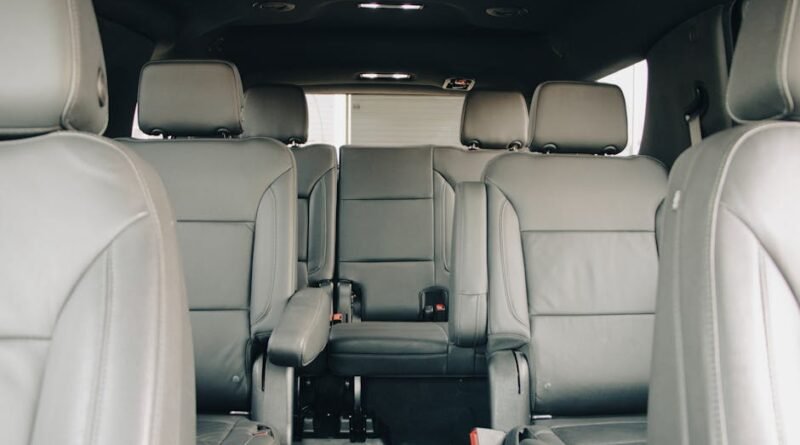
SUV vs Minivan vs Wagon: Which Is Best for Families?
Choosing a family vehicle sounds simple until you start living with it. On paper, an SUV, minivan, and wagon can all look practical. In daily life, the differences show up quickly: loading kids in a tight parking lot, fitting a stroller behind the third row, packing sports gear, or deciding whether you really need extra seats every day.
Many families buy based on looks or assumptions, then realize the vehicle does not match their routine. If you are comparing an SUV, minivan, and wagon, the best choice usually comes down to how you use space, how many people you carry, and how much convenience matters in everyday driving.
This guide breaks down the key trade-offs so you can choose with confidence.
SUV vs Minivan vs Wagon: Quick Answer
For many families, a minivan is the most practical all-around choice. It usually offers the easiest access, the most usable passenger space, and the best cargo flexibility.
An SUV makes the most sense if you want a higher driving position, available all-wheel drive, extra ground clearance, or light towing ability.
A wagon is worth considering for smaller families who want car-like handling, easier parking, and solid cargo space without moving up to a larger vehicle.
What Families Should Compare Before Choosing
Before focusing on brand or trim, compare the basics that affect daily life most:
- Passenger space: Count usable seats, not just total seats.
- Cargo room: Check space with every row in use, not only with seats folded.
- Car seat access: Wide openings and easy-to-reach anchors matter.
- Ownership costs: Look beyond the monthly payment.
- Safety features: Prioritize visibility and practical driver aids.
- Parking and fit: Make sure it works in your garage and usual parking spaces.
Interior Space and Seating Flexibility
Third-row comfort
This is one of the biggest differences between body styles. Many three-row SUVs have a third row that works best for children. Minivans usually offer more legroom, headroom, and overall comfort in the back. If teens or adults will ride there often, a minivan usually has the advantage.
Access to the back row
Minivans are generally easier to enter and exit, especially with wide sliding doors and walk-through layouts in some models. In many SUVs, third-row access becomes awkward when child seats are installed in the second row.
Cargo space behind each row
Maximum cargo numbers can be misleading. What matters for families is how much room remains when all seats are occupied. Minivans often provide more usable storage behind the third row, which can make a big difference on school days, grocery runs, and family trips.
Flexible seating for real life
Carpools, sleepovers, grandparents, and weekend travel all put pressure on seating flexibility. Minivans usually offer the most adaptable interiors. SUVs vary widely by model, while wagons are better suited to smaller households that do not need a third row.
Which Is Best for Families With Young Children?
Sliding doors vs swing-out doors
This is where minivans stand out. Sliding doors make it much easier to load children in tight parking spaces without worrying about door dings or kids pushing a door into the next car. SUVs and wagons use traditional doors, which can be less convenient in crowded lots.
Car seats and booster seats
Wide openings, lower floors, and easier access to anchors and buckles can make a big difference. Minivans often make car seat life simpler. SUVs can work well too, but some have tighter second rows or harder-to-reach third rows once car seats are installed.
Step-in height
Lower step-in height helps toddlers climb in on their own and can be easier for grandparents as well. Minivans and wagons are often easier to enter than taller SUVs.
Strollers and daily gear
Young children come with a lot of equipment. Minivans usually handle bulky strollers, diaper bags, and extra supplies with less compromise. SUVs vary more, especially when the third row is in use.
How SUVs Compare for Family Use
An SUV can be a strong family choice, but it depends on what you need most.
Where SUVs do well
- Higher seating position
- Available all-wheel drive
- More ground clearance
- Light towing ability
- Good fit for one or two children
Where SUVs can fall short
- Third rows are often tighter than they appear
- Cargo space behind the third row may be limited
- Swing-out doors need more room in parking lots
- Larger models can be harder to park and maneuver
If your family wants a mix of passenger space, weather confidence, and occasional utility, an SUV may be the best balance.
How Minivans Compare for Family Use
For pure practicality, minivans are hard to beat.
Why many families choose a minivan
- Easy access through sliding doors
- Comfortable third-row seating
- Strong cargo space even with many passengers onboard
- Lower step-in height
- Flexible seating for carpools and trips
What to keep in mind
If image, towing, or extra ground clearance matters most to you, a minivan may not feel like the ideal fit. But for everyday family convenience, it is often the easiest vehicle to live with.
How Wagons Compare for Family Use
Wagons are often overlooked, but they can be an excellent option for the right household.
Why wagons deserve a look
- Car-like handling and ride comfort
- Easier parking and maneuvering
- Lower load floor for cargo
- Good cargo space for smaller families
- Often better efficiency than similarly sized SUVs
Where wagons are limited
The main drawback is seating capacity. Most wagons are best for families that do not need a true third row. If you regularly carry more than four or five people, a wagon may not be enough.
Cost Comparison: SUV vs Minivan vs Wagon
Purchase price and value
Sticker price is only part of the story. Some SUVs become expensive quickly once you add a third row, all-wheel drive, and family-friendly features. Minivans often include practical equipment families use every day. Wagons can offer good value if you do not need extra seating rows.
Fuel economy and running costs
Real family driving includes school runs, stop-and-go traffic, highway trips, and idling during pickup lines. In many cases, wagons are the most efficient, minivans can be surprisingly competitive, and larger SUVs may use the most fuel.
Insurance, tires, and maintenance
Do not overlook the smaller ownership costs that add up over time:
- Larger wheels often mean more expensive tires
- Heavier vehicles may wear brakes and tires faster
- Insurance can vary by trim level and repair costs
- All-wheel drive may add maintenance complexity
Resale value
Resale matters, but daily usability matters too. A vehicle that fits your routine well can still be the smarter long-term choice even if another option looks stronger on resale alone.
Safety and Convenience Features That Matter Most
Most modern family vehicles offer useful safety technology, but the details still matter.
Features worth prioritizing
- Automatic emergency braking
- Forward collision warning
- Blind-spot monitoring
- Rear cross-traffic alert
- Lane-keeping assistance
- Adaptive cruise control
Family-friendly convenience features
- Power sliding doors or liftgates
- Multiple USB ports in every row
- Rear climate controls
- Easy-clean materials
- Sunshades and storage bins
- Parking sensors and surround-view cameras
Also pay attention to visibility. The easiest vehicle to live with is often the one that feels simple to place on the road and in parking lots.
Best Choice by Family Size and Lifestyle
For one or two children
A wagon or two-row SUV may be enough if you want cargo space without driving something larger than necessary.
For three or more children
A minivan is often the best answer because it combines seating, access, and cargo room better than most alternatives.
For road trips and sports gear
Minivans usually lead here, especially when all seats are occupied and cargo space still matters.
For city driving and tight parking
Wagons are often the easiest to manage. Minivans also do well because sliding doors help in narrow spaces. Large SUVs can be the most challenging.
For light towing or rough-weather confidence
An SUV is often the better fit if towing, all-wheel drive, or extra ground clearance is important to your lifestyle.
Common Buying Mistakes Families Make
- Choosing style over usability: A vehicle can look great and still frustrate you every day.
- Underestimating cargo needs: Strollers, coolers, backpacks, sports gear, and luggage take more room than many buyers expect.
- Assuming all third rows are equal: Some are occasional-use seats, while others are genuinely family-friendly.
- Skipping a real-world test: Bring your car seats, stroller, and regular gear before buying.
- Forgetting garage clearance: Check overall fit and liftgate space at home.
Final Decision Guide
Choose an SUV if
- You want available all-wheel drive or light towing ability
- You prefer a higher seating position
- You have one or two children and do not need maximum interior space
- You want a balance of family use and general versatility
Choose a minivan if
- You have multiple children or use the third row often
- You want the easiest car seat access and loading
- You need strong cargo space with passengers onboard
- You value convenience above image
Choose a wagon if
- You have a smaller family
- You want easier parking and car-like handling
- You need good cargo room but not extra seating rows
- You care about ride comfort and efficiency
Family test-drive checklist
- Install your car seats
- Load your stroller and typical gear
- Check third-row access with child seats in place
- Test parking in a tight space
- Measure garage fit and liftgate clearance
- Have every regular passenger climb in and out
For many larger families, the minivan is the most practical choice. For smaller families, or for those who want towing ability and extra height, an SUV may be the better fit. For households that want cargo space without extra bulk, a wagon remains a smart option.
The best family vehicle is the one that makes your daily routine easier, not the one that simply looks right on the lot.