
What to Wear and Bring on Rome Walking Tours in Every Season
Planning Rome walking tours sounds simple until you start thinking about the reality: uneven cobblestones, long sightseeing days, changing temperatures, and the need to feel comfortable without looking unprepared. Many travelers wonder what to wear and bring on Rome walking tours in every season, especially if they want to pack light and still handle churches, sun, sudden rain, and cooler evenings.
This guide breaks it down in a practical way. You’ll learn what clothing works best in spring, summer, autumn, and winter, which shoes make the biggest difference on Roman streets, and what to keep in your day bag so you can enjoy the city without unnecessary discomfort.
Key Takeaways
- Comfortable walking shoes with grip and support are the most important item for Rome’s cobblestones.
- Layers work best in every season because temperatures can shift between morning, afternoon, and evening.
- Lightweight sun protection is essential in warmer months, while a compact rain layer helps in spring and autumn.
- Modest backup coverage, such as a scarf or light layer, is useful for entering churches and religious sites.
- A small day bag with water, tissues, power bank, and weather extras makes long walking tours much easier.
Why Rome walking tours require a different packing mindset
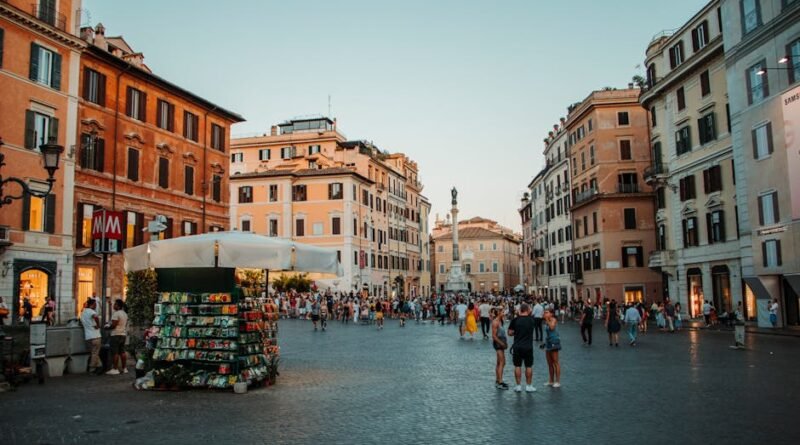
Rome is not a city where you glide from one attraction to the next on perfectly flat pavement. Walking tours often mean hours on stone streets, steps, piazzas, and archaeological areas where surfaces can be slippery, uneven, or tiring underfoot.
That is why the best Rome walking tour outfit is usually built around function first. You can still dress neatly and feel stylish, but comfort, layers, and practical accessories matter more here than they might in a city with smoother streets and shorter sightseeing distances.
For extra seasonal packing ideas, guides like this Rome packing overview from Romewise and this layering advice for Rome from Stefano Rome Tours reinforce the same core idea: dress for walking and changing conditions.
The best shoes for Rome walking tours
Choose support over fashion-first footwear
If you only get one thing right, make it your shoes. Rome’s cobblestones can feel charming at first and exhausting later, especially if you are wearing flat sandals with no support, stiff new shoes, or heels.
Good options include broken-in sneakers, supportive walking shoes, cushioned leather trainers, or sturdy flat boots in cooler weather. The key is grip, cushioning, and enough support for several hours on your feet.
What to avoid on cobblestones
- High heels or narrow wedges
- Brand-new shoes that have not been worn in
- Thin-soled ballet flats
- Flip-flops for full sightseeing days
- Slippery soles in rainy weather
Quick Tip: Test your walking shoes on uneven ground before your trip, not just indoors. A shoe that feels fine on smooth floors may feel very different on stone streets.
| Footwear | Best for | Watch out for |
|---|---|---|
| Supportive sneakers | Most seasons and long walking tours | Can feel warm in peak summer |
| Walking sandals with support | Hot weather sightseeing | Less protection on rough surfaces |
| Ankle boots | Cooler autumn and winter days | Need flexible soles and break-in time |
| Fashion shoes or heels | Dinners, short outings | Not ideal for long walking routes |
What to wear in Rome walking tours in spring
Build your outfit around layers
Spring in Rome can feel mild, breezy, or unexpectedly damp depending on the day. Mornings and evenings are often cooler than midday, so the easiest approach is a light layered outfit.
A breathable top, light sweater, and mid-weight jacket usually work well. Pair them with comfortable trousers, jeans, or a casual skirt or dress with practical footwear.
What to bring in your bag in spring
- Compact umbrella or lightweight rain jacket
- Sunglasses
- Light scarf
- Water bottle
- Small pack of tissues
A scarf is especially useful because it adds warmth early in the day and can also help with modest coverage in churches. If your plans include Vatican sites or historic churches, having that extra layer avoids last-minute stress.
What to wear in Rome walking tours in summer
Prioritize breathable fabrics and sun protection
Summer walking tours in Rome can be hot, bright, and draining if you are not prepared. Lightweight, breathable clothes such as cotton, linen, or moisture-wicking fabrics are usually the best choice.
Loose tops, airy dresses, tailored shorts where appropriate, and lightweight trousers can all work. The goal is to stay cool while still being comfortable for long periods outdoors.
Dress for churches as well as heat
One common mistake is dressing only for the temperature and forgetting site access. If you plan to visit churches or religious landmarks, it helps to carry a light shirt, scarf, or shawl to cover shoulders when needed.
For practical warm-weather outfit ideas, this seasonal Rome clothing guide is a useful reference for balancing comfort and appearance.
What to bring in your bag in summer
- Reusable water bottle
- Hat or cap
- Sunscreen
- Sunglasses
- Portable fan if you overheat easily
- Light cover-up for churches
Quick Tip: In summer, your day bag should stay as light as possible. Extra weight feels much heavier after several hours in the heat.
What to wear in Rome walking tours in autumn
Prepare for mixed conditions
Autumn often brings some of the most comfortable sightseeing weather in Rome, but it can also be changeable. One day may feel warm and sunny, while the next calls for a jacket and rain protection.
A T-shirt or blouse under a cardigan or light jacket is usually a reliable combination. Long trousers, dark jeans, or midi-length outfits paired with supportive shoes work well for most walking tours.
Best autumn extras to pack
- Light waterproof layer
- Scarf for warmth and coverage
- Socks that prevent rubbing during long walks
- Crossbody bag with secure closure
Autumn is a good season for leather sneakers or light boots because they offer more protection if streets are damp. Just make sure they are comfortable enough for long days.
What to wear in Rome walking tours in winter
Stay warm without overpacking bulky items
Winter in Rome is usually more about cool air, wind, and occasional rain than extreme cold, but long walking tours can still feel chilly. The best strategy is a warm but flexible outfit that you can adjust as you move between outdoor sites and indoor spaces.
A sweater, long-sleeve top, and medium-weight coat are often more useful than one very heavy layer. Add a scarf and, on colder days, gloves or a beanie if you tend to feel cold easily.
Best winter clothing choices
- Comfortable boots or water-resistant sneakers
- Warm socks
- Layered tops
- Coat that handles light rain
- Scarf for wind and warmth
If rain is likely, avoid shoes that soak through quickly. Wet feet can make a full day of sightseeing feel much longer.
What to bring on a Rome walking tour besides clothing
Essentials for a comfortable day
Even the right outfit is only half the equation. A few small items in your bag can make a major difference once you are several hours into a walking tour.
- Reusable water bottle
- Phone and power bank
- Offline map or downloaded directions
- Tissues
- Hand sanitizer
- Any personal medication
- Small snack
Choose the right bag
A lightweight crossbody bag or compact backpack usually works best. You want something secure, easy to carry, and small enough that it does not become annoying in crowds or on long walks.
Try not to overload it. Rome walking tours are much more enjoyable when you are carrying only what you will actually use.
How to balance comfort, style, and local expectations
Neat and practical usually works best
Travelers sometimes worry about looking too casual in Rome. In practice, a clean, simple, well-fitted outfit goes a long way. You do not need formal clothes for standard sightseeing, but very athletic or beach-style clothing may feel out of place in some settings.
Think smart casual with comfortable shoes. Neutral colors, simple layers, and practical accessories tend to fit in well while still keeping you prepared for a full day outdoors.
When modest clothing matters
If your walking tour includes churches, basilicas, or the Vatican area, modest dress is worth planning for. Covered shoulders and clothing that is not overly revealing can help you avoid access issues and show respect for the setting.
This does not mean dressing heavily in hot weather. It simply means carrying one extra layer or choosing outfits that can adapt easily.
Common mistakes to avoid before your walking tour
- Wearing brand-new shoes for a full sightseeing day
- Ignoring the effect of cobblestones on feet and ankles
- Forgetting sun protection in warmer months
- Skipping a light rain layer in spring or autumn
- Carrying a heavy bag all day
- Dressing for photos only, not for hours of walking
- Forgetting modest coverage for church visits
Many packing mistakes come from underestimating how physical Rome sightseeing can be. A walking tour often feels more like a long active day than a casual stroll.
Frequently Asked Questions
Can I wear sandals on Rome walking tours?
Yes, but they should be supportive walking sandals with secure straps and cushioning. Thin flat sandals or flip-flops are usually not comfortable enough for long days on cobblestones.
Do I need special shoes for Rome cobblestones?
You do not need hiking shoes, but you do need comfortable footwear with grip, support, and broken-in soles. Sneakers, walking shoes, and flexible boots are usually the safest choices.
What should I bring to a Rome walking tour in summer?
Bring water, sunscreen, sunglasses, a hat, and a light layer or scarf for church visits. Keep your bag light so it is easier to carry in the heat.
How should I dress for church stops during a walking tour?
Wear or carry clothing that can cover your shoulders and keep your outfit modest enough for religious sites. A lightweight scarf, shawl, or overshirt is often the easiest solution.