Planning a Cusco itinerary sounds simple until altitude enters the picture. Many first-time visitors want to see Cusco, the Sacred Valley, Machu Picchu, and maybe a big hike, but end up wondering how to fit it all in without feeling exhausted or sick. The good news is that smart scheduling makes a big difference.
This guide shows you how to plan a Cusco itinerary with acclimatization in mind. You will learn how altitude affects your first days, which places to visit first, when to schedule demanding activities, and how to build a practical route that feels realistic rather than rushed.
Tours to Cusco
Key Takeaways
- Do not plan your hardest activities for your first day or two in Cusco.
- A smart Cusco itinerary often starts with easier sightseeing or a stay in the lower Sacred Valley.
- Machu Picchu usually fits better after some rest, while high-altitude hikes should come later.
- Short, flexible days help first-time visitors enjoy Cusco without burnout.
- If altitude symptoms get worse instead of better, slow down and avoid going higher.
Why altitude matters when planning a Cusco itinerary
What makes Cusco feel challenging at first
Cusco sits at high elevation, and many travelers feel the difference as soon as they arrive. Even if you are fit at home, walking uphill with luggage, climbing stairs, or joining a fast-paced tour can feel surprisingly hard on day one.
Altitude does not affect everyone in exactly the same way. Some people only notice mild shortness of breath, while others get headaches, nausea, poor sleep, or unusual fatigue. That is why a practical Cusco itinerary should be built around adaptation, not just sightseeing.
Why bad scheduling causes avoidable problems
The biggest mistake is treating arrival day like a normal travel day. If you land in Cusco and immediately book a city walking tour, a late dinner, and an early next-morning hike, you are stacking stress on top of altitude.
Several travel guides recommend easing in, and some specifically suggest arriving in Cusco and then sleeping lower in the Sacred Valley for the first nights. For extra context, this guide on how to acclimate in Cusco explains why that approach can work well for many travelers.
How to structure your first days in Cusco
Arrival day should be easy
Your first day should be light, even if you feel fine at first. The goal is not to do nothing, but to avoid anything strenuous, rushed, or high altitude.
Good arrival-day options include:
- Checking into your hotel and resting
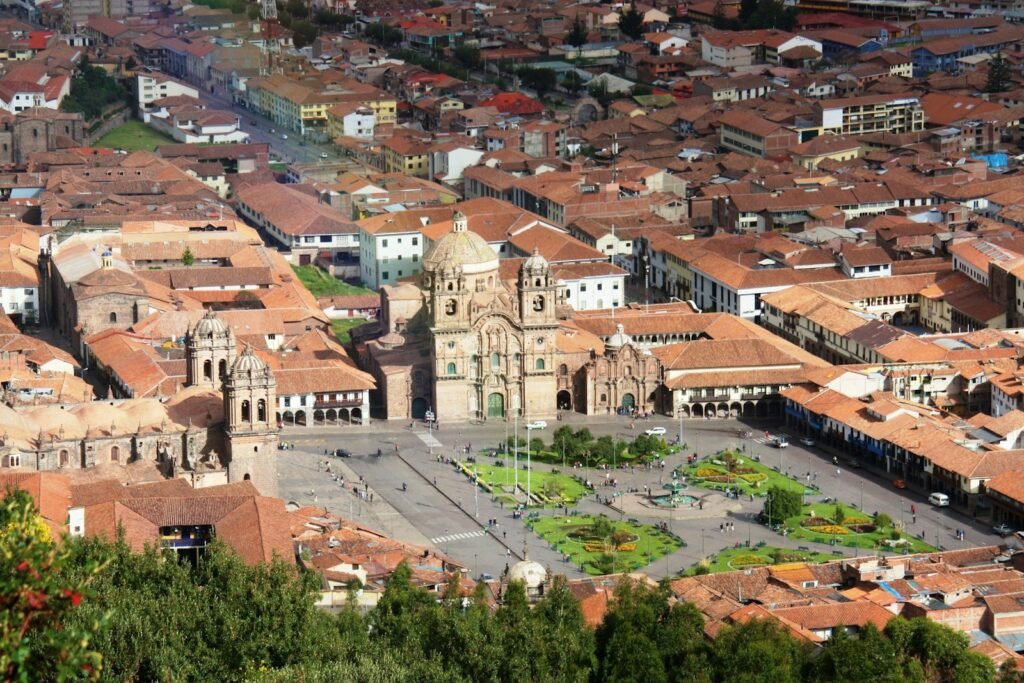
- Taking a gentle walk around the historic center
- Eating a simple meal and hydrating well
- Going to bed early
Try not to plan intense exercise, alcohol-heavy nightlife, or long uphill sightseeing right away. If your hotel is on a steep street, even that can feel like enough effort for one day.
Quick Tip: If you arrive in Cusco in the morning, resist the urge to “make the most of the day.” Saving energy early often helps you enjoy the rest of the trip more.
Days two and three should build gradually
Once you have had a night or two to adjust, you can start adding more activity. This is a good time for city highlights, markets, museums, relaxed food stops, or a half-day outing.
If you want to be especially cautious, consider spending your first nights in the Sacred Valley instead of Cusco itself. Because it is lower than Cusco, many travelers find it easier for sleeping and early acclimatization. This advice is also echoed in this overview of Cusco altitude and how to avoid sickness.
Best order for Cusco, Sacred Valley, Machu Picchu, and high-altitude trips
A smart sequence for first-time visitors
If you are trying to see the main highlights without overdoing it, the order of your trip matters almost as much as the number of days. A logical route usually starts with lower-effort or lower-altitude sightseeing and saves tougher outings for later.
A common and practical order looks like this:
- Arrive in Cusco and rest
- Spend time in Cusco or transfer to the Sacred Valley
- Visit Machu Picchu after some acclimatization
- Return for more Cusco sightseeing if needed
- Do demanding hikes like Rainbow Mountain or Humantay Lake near the end
This sequence helps reduce the risk of putting your hardest day at the point when your body is least ready.
Why Machu Picchu often fits in the middle
Machu Picchu is physically easier for many travelers than the highest day trips around Cusco, especially if you are visiting by train rather than doing a multi-day trek. That makes it a better mid-itinerary choice than something like Rainbow Mountain.
It also works well because by then you have usually had at least a little time to recover from travel. A useful summary of altitude-smart trip timing appears in this article on a Cusco itinerary without burnout.
What to do first and what to save for later
Good early-trip activities
For your first one to three days, focus on places that let you move at your own pace. Flexible plans are much better than tightly packed tours when you do not yet know how your body will respond.
- Cusco historic center
- San Pedro Market
- Relaxed café and restaurant stops
- Easy cultural sites
- Sacred Valley towns with light walking
Activities better saved for later
Some excursions are much more demanding because of altitude, early departures, long drives, and physical effort. These are better once you have already had a few days in the region.
- Rainbow Mountain
- Humantay Lake
- Salkantay Trek
- Ausangate-related hikes
- Any full-day trip with major uphill walking
| Activity type | Best timing in your itinerary |
|---|---|
| Easy Cusco sightseeing | Arrival day or day 2 |
| Sacred Valley touring | Day 2 or day 3 |
| Machu Picchu by train | After initial acclimatization |
| High-altitude hikes | Later in the trip |
Sample Cusco itinerary ideas for first-time visitors
4-day Cusco itinerary
If you only have a few days, keep expectations realistic. You can still have a good trip, but this is not the ideal setup for packing in multiple demanding excursions.
- Day 1: Arrive, rest, short walk, early night
- Day 2: Light Cusco sightseeing or transfer to Sacred Valley
- Day 3: Machu Picchu
- Day 4: Cusco city time or departure
6-day Cusco itinerary
This is a much more comfortable length for first-time visitors. It gives you room to acclimatize and still see the major highlights.
- Day 1: Arrive and rest
- Day 2: Easy Cusco sightseeing
- Day 3: Sacred Valley
- Day 4: Machu Picchu
- Day 5: Rest day, flexible city time, or light cultural visit
- Day 6: Higher-altitude day trip if you feel well
7 or more days for a more balanced trip
If you have a week or longer, your Cusco itinerary becomes much easier to pace well. You can include rest windows, weather flexibility, and one more ambitious adventure without turning the trip into a race.
This is often the best setup if you want both Machu Picchu and a high-altitude hike.
How to reduce altitude stress during your trip
Simple habits that help
You do not need a complicated strategy. Most travelers benefit from a few basic habits, especially in the first 24 to 48 hours.
- Drink water regularly
- Eat light, familiar meals at first
- Walk slowly on hills and stairs
- Sleep enough
- Avoid overpacking each day
- Go easy on alcohol early in the trip
These steps will not guarantee you feel perfect, but they can make your first days much more manageable.
Know when to slow down
Mild symptoms can improve as you rest and acclimatize. But if you feel significantly worse, especially when going higher, that is a sign to change the plan rather than push through it.
In practical terms, that may mean skipping a hike, moving a tour back a day, or choosing a lower-effort activity instead. A flexible itinerary is usually a better travel decision than trying to force every booking to happen exactly as planned.
Quick Tip: Build one “buffer” block into your itinerary. A free afternoon or open day can save the trip if you need extra rest or want to shift a demanding excursion.
Common planning mistakes first-time visitors make
Trying to do too much too soon
The classic mistake is arriving in Cusco and scheduling nonstop activity immediately. Even if you are excited, your body may need time before it performs normally at altitude.
Booking the highest hike too early
Many travelers are tempted to put Rainbow Mountain near the start because it looks dramatic and easy to market as a must-do. In reality, it is usually a much better end-of-trip activity than a day-two plan.
Ignoring travel fatigue
Altitude is only part of the equation. Jet lag, poor sleep, long flights, and early airport transfers can make symptoms feel worse. A good Cusco itinerary accounts for total fatigue, not just elevation.
Leaving no room for flexibility
Back-to-back tours may look efficient on paper, but they leave no space for weather delays, train timing, or simply needing a slower morning. A practical plan should feel breathable.
How to know if your Cusco itinerary is realistic
Ask yourself these simple questions
Before finalizing your bookings, review your plan with a few practical checks:
- Do I have an easy arrival day?
- Am I saving the highest or hardest activity for later?
- Do I have at least one flexible block?
- Am I trying to combine too many early starts in a row?
- Would this schedule still work if I felt tired on day 2?
If the answer to several of these is no, your itinerary probably needs more breathing room.
Frequently Asked Questions
How many days should I acclimatize before hiking in Cusco?
For many first-time visitors, giving yourself at least 2 to 3 days before a demanding high-altitude hike is a sensible approach. Easier sightseeing can happen sooner, but strenuous hikes are usually better later in the trip.
Is it better to stay in Cusco or the Sacred Valley first?
If you want a gentler start, the Sacred Valley can be a smart first stop because it is lower than Cusco. Many travelers sleep better there and then return to Cusco more comfortably acclimatized.
Should I visit Machu Picchu before Rainbow Mountain?
In most cases, yes. Machu Picchu usually fits better earlier than very high-altitude hikes, especially if you are visiting by train. Rainbow Mountain is often better saved for later once you have adjusted more fully.
What should I do if I feel bad from the altitude in Cusco?
Slow down, rest, hydrate, and avoid going higher until you feel better. If symptoms are getting worse instead of improving, it is wise to change your plans and seek local medical advice if needed.