If you want to know how to start reading Dante, the real challenge is usually not interest. It is knowing where to begin without getting overwhelmed. Many new readers of classics worry about dense poetry, religious references, and the reputation of The Divine Comedy as a book you are supposed to admire more than enjoy.
The good news is that Dante becomes much more approachable once you start in the right place and use the right edition. This guide will show you what to read first, how to choose a beginner-friendly translation, what background actually helps, and how to keep moving when the poem feels difficult.
Key Takeaways
- Most beginners should start with Inferno, not the full poem all at once.
- A readable modern translation with clear notes matters more than choosing the most famous edition.
- You do not need deep knowledge of medieval theology or Italian politics before you begin.
- Reading one canto at a time and using notes after a first pass makes Dante much easier to follow.
- Focus first on the journey, characters, and images; deeper interpretation can come later.
Choose the best place to begin
Start with the right text
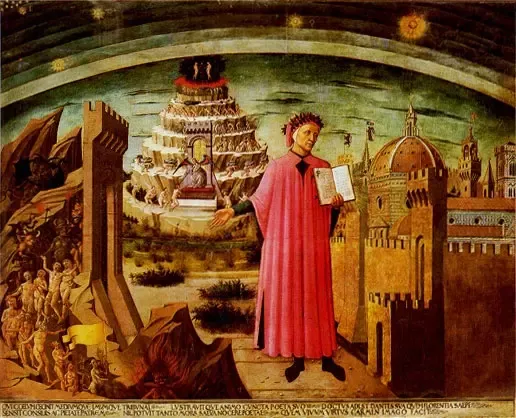
When people ask how to start reading Dante, they usually mean how to begin The Divine Comedy. The poem has three parts: Inferno, Purgatorio, and Paradiso. For most first-time readers, Inferno is the best entry point because its structure is vivid, dramatic, and easy to grasp scene by scene.
That does not mean it is the only option. Some readers prefer to sample a few famous cantos first, while others like to begin with Vita Nuova, a shorter prose-and-poetry work that gives useful context for Beatrice. Still, if your goal is simply to start reading Dante with confidence, Inferno is the most practical starting place.
Compare the main starting options
| Starting point | Best for | Possible drawback |
|---|---|---|
| Inferno | Most beginners who want a clear story and memorable scenes | Can give the false impression that Dante is only dark or punitive |
| The Divine Comedy from the beginning | Readers ready for a long, structured project | Easy to lose momentum if you treat it like a novel to rush through |
| Vita Nuova | Readers interested in Dante, Beatrice, and lyric poetry | Less representative of the journey and scale of the Comedy |
For a new reader of classics, the safest recommendation is simple: start with Inferno, and only decide on the rest once you know how Dante feels on the page.
Pick an edition that helps rather than intimidates
What matters in a beginner-friendly translation
Your edition can determine whether Dante feels exciting or exhausting. Look for a translation in modern English with short introductions, line notes, canto summaries, and clearly marked line numbers. These features save time and reduce the temptation to search every unfamiliar reference.
A good beginner edition should feel like a guide, not a test. If the notes are too sparse, you may feel lost. If the scholarly apparatus dominates every page, you may stop hearing the poem itself.
Verse or prose
Some translations aim to preserve the poetic feel, while others prioritize clarity. Verse translations can carry more of the poem’s movement and music. Prose translations can make syntax and meaning easier to follow.
If you are new to poetry, choosing clarity is not a compromise. The best translation for you is the one that keeps you reading.
Quick Tip: Read the first canto in a sample before you buy or borrow an edition. If you keep rereading every sentence just to understand the grammar, try a different translation.
Learn only the background you actually need
What helps before you begin
You need very little context to start reading Dante well. It helps to know that the poem follows a pilgrim named Dante on a journey through the afterlife, and that the author Dante is using that journey to explore morality, memory, politics, desire, and salvation. It also helps to know that Virgil guides him first, while Beatrice becomes central later.
One useful distinction is between Dante the author and Dante the character. The speaker inside the poem often reacts with fear, pity, confusion, or awe. That reaction is part of the reading experience, and you do not need to decode everything immediately.
What you can safely learn as you go
You do not need a full course in medieval theology, classical mythology, or Florentine factional politics before page one. A solid edition will explain the names and issues that matter. For most beginners, the bigger danger is overpreparing and turning reading into homework.
If you want a light overview of the poem’s major scenes and characters, the Penguin Random House reader guide to The Divine Comedy is a helpful place to orient yourself without replacing the actual text.
Use a reading plan that fits the poem
Read by canto, not by page count
Dante becomes more manageable when you read one canto at a time. A canto is a natural unit with its own movement, encounters, and emotional arc. This is much better than setting a vague target like twenty pages, especially in poetry where pacing matters more than volume.
Try reading slowly enough to picture each scene. If you only read one canto in a sitting, that is still real progress. Consistency matters more than speed.
Try a two-pass method
- Read a short summary of the canto so you know the basic setting.
- Read the canto straight through without stopping for every note.
- Go back to the notes for names, historical references, or difficult passages.
- Reread a few key lines aloud to hear the rhythm and emphasis.
This approach keeps the poem alive. It also matches good practical advice found in this guide to reading The Divine Comedy, especially the suggestion to visualize what Dante describes and reread when your attention drifts.
If reading straight through feels heavy, that is not a sign you are failing. The American Scholar article on reading Dante today makes a useful point: you can also approach the poem as a series of powerful episodes rather than as a single book you must conquer in one push.
How to read difficult passages without getting stuck
Follow the scene before the symbolism
When a passage feels dense, return to the basics. Where is Dante? Who is speaking? What image stands out? What feeling is the scene trying to create: terror, pity, disgust, longing, wonder?
This keeps you anchored in the poem itself. Symbolic meaning matters, but it is easier to see once you understand the immediate action.
Use the notes strategically
Footnotes are useful, but too many notes can break the spell. Read first for momentum, then check what you need. If you stop every few lines, Dante starts to feel like a list of references instead of a poem.
- Track recurring guides and speakers.
- Notice how punishments or rewards reflect choices.
- Underline images that stay in your mind.
- Write one sentence after each canto about what happened and why it mattered.
Quick Tip: If a canto still feels confusing after one careful read, move on anyway. Dante often becomes clearer through accumulation, not instant mastery.
Know what to read after your first Dante experience
If you start with Inferno
If you enjoy Inferno, the best next step is usually Purgatorio. Many experienced readers eventually prefer it because it feels more reflective, humane, and emotionally varied. After that, Paradiso becomes less intimidating because you already understand Dante’s patterns and voice.
If you want more context instead of more pages
If you finish part of Dante and want deeper context before continuing, revisit canto summaries, a reader guide, or a few well-chosen essays. You can also read Vita Nuova if you want a clearer sense of Beatrice and Dante’s earlier poetic world. The key is to use support material to deepen the reading, not postpone it forever.
For most beginners, how to start reading Dante comes down to one practical decision: pick a readable edition, begin with Inferno, and give yourself permission to read slowly.
Frequently Asked Questions
Should I read Inferno before Purgatorio and Paradiso?
Usually, yes. Inferno is the easiest entry point and introduces the poem’s structure, voice, and major themes. You can read it on its own, but it also works well as the first stage of the full journey.
Do I need to know medieval Christianity to understand Dante?
No. Some background helps, but beginners can understand a great deal through the narrative, the notes, and the recurring moral patterns. Focus first on the journey and the encounters rather than mastering every doctrine.
Is Dante too difficult if I am new to classics?
Not if you choose the right edition and pace. Dante is challenging, but he is also vivid, dramatic, and often surprisingly direct. Many new readers do better with Dante than with denser prose classics because each canto gives them a clear unit to work through.
Should I read Dante aloud?
Reading some lines aloud is a good idea, even if you do not do it for every canto. Poetry often becomes clearer when you hear its movement, pauses, and emphasis. This is especially helpful when a passage looks more difficult than it actually is.