
Discovering the Human Condition Through The Grapes of Wrath: Lessons in Resilience and Empathy
Explore the human condition in “The Grapes of Wrath,” uncovering lessons in resilience and empathy that resonate through time and adversity.
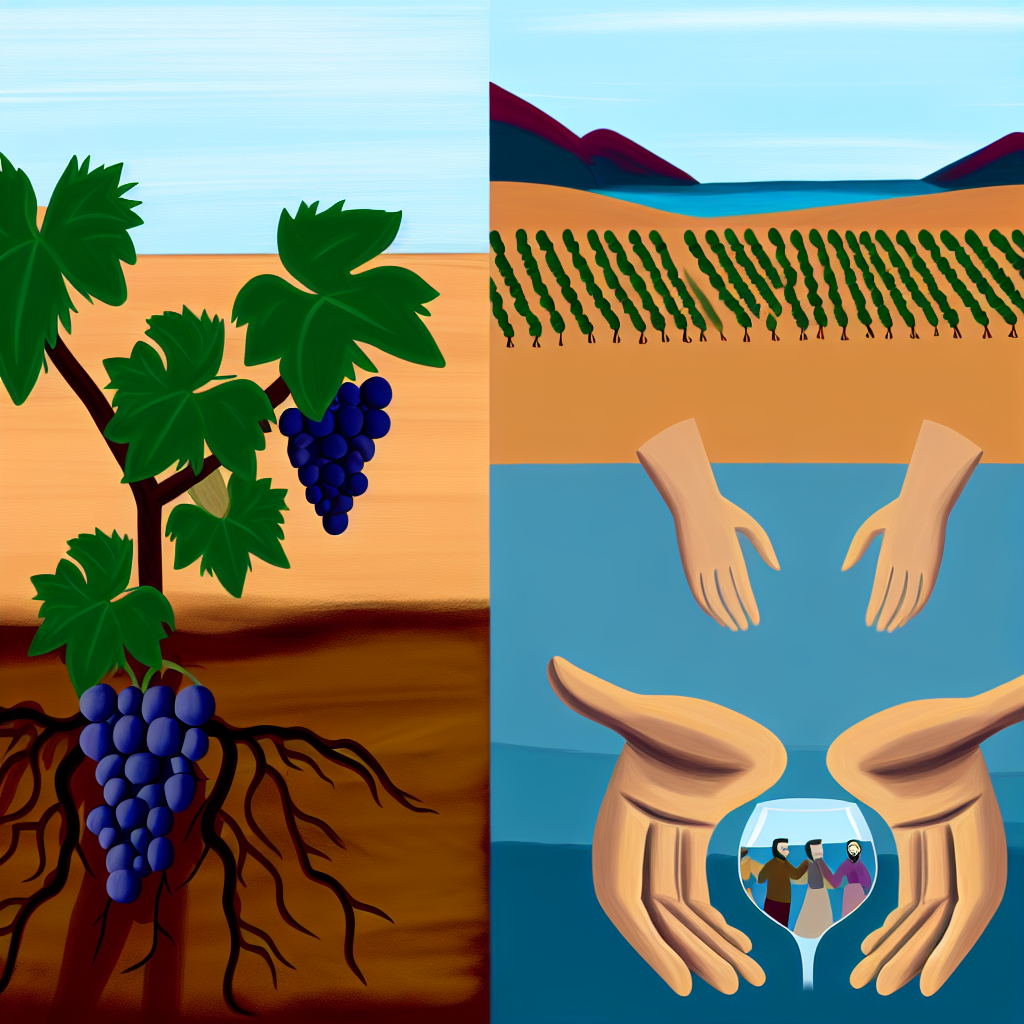
Explore the human condition in “The Grapes of Wrath,” uncovering lessons in resilience and empathy that resonate through time and adversity.
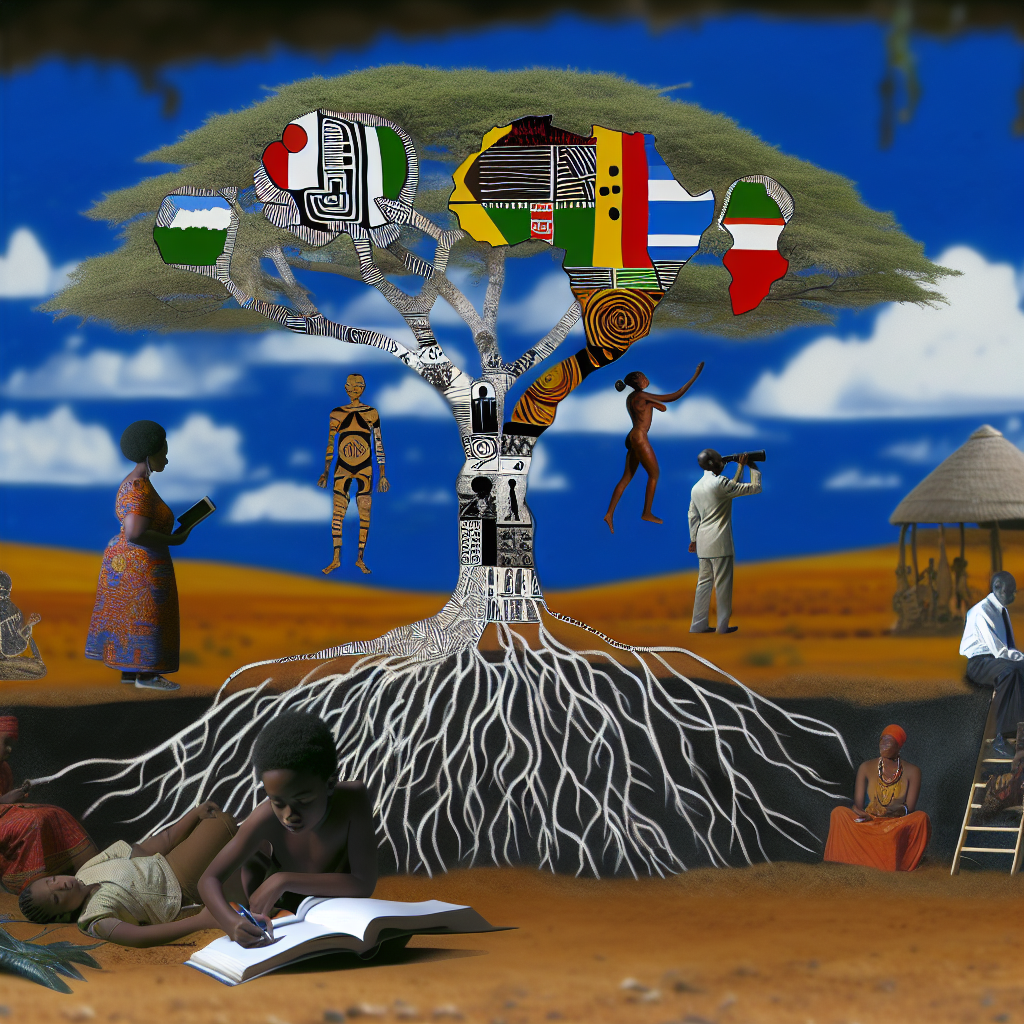
Discover how “Things Fall Apart” delves into themes of identity and belonging, offering insights into post-colonial Africa’s cultural struggles and transformations.

Explore power, surveillance and language in Orwell’s 1984, with historical context, Ben Pimlott’s criticism and careful questions for comparing fiction with today.
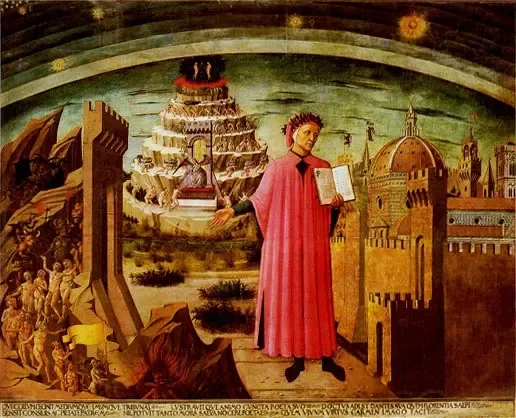
Dante Alighieri‘s Divine Comedy is a long narrative poem written in the early fourteenth century in the Tuscan vernacular. Its pilgrim travels through Hell, Purgatory and Paradise, and the poem combines theology, politics, literary allusion and very human conversations. It is easiest to follow if the reader distinguishes Dante the historical author from Dante the
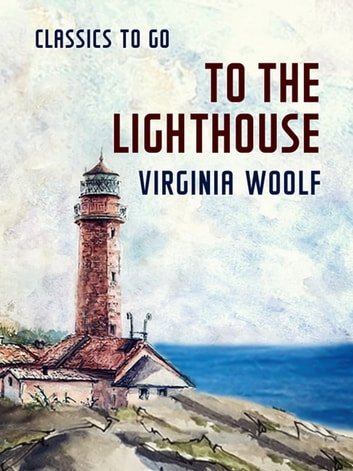
“To The Lighthouse,” published in 1927, is one of Virginia Woolf’s most celebrated novels. Published by Virginia and Leonard Woolf’s Hogarth Press on 5 May 1927, it is a major modernist novel. Rather than telling events from one all-knowing viewpoint, Woolf moves between the perceptions of family members and guests. The Morgan Library’s first-edition catalogue
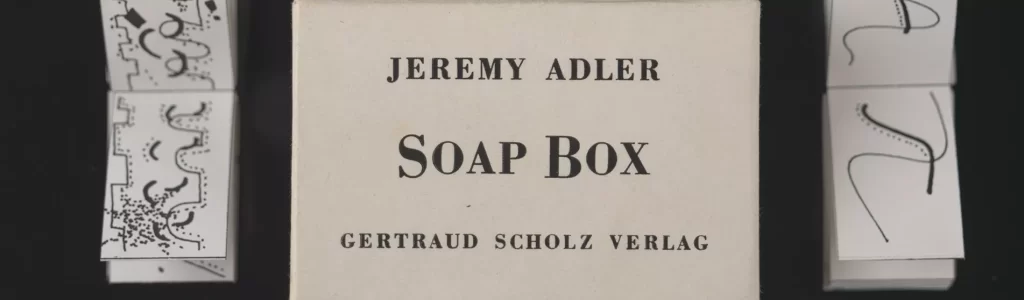
Meet Jeremy Adler, the literary scholar and poet whose books on Franz Kafka and Goethe offer distinct introductions to two major German-language writers.