
Cusco Tourist Ticket (Boleto Turístico del Cusco) Explained: Coverage, Value, and How to Decide
If you are planning to visit several ruins and museums around Cusco, the ticket system can feel more confusing than it should. The Cusco tourist ticket boleto turistico is often the easiest way to enter multiple sites, but it is not always the best value for every itinerary. Knowing what it covers, what it does not cover, and how long you will actually be sightseeing can help you avoid paying for access you will not use.
This guide breaks down the boleto turístico in practical terms for travelers who want to explore Cusco city, nearby archaeological sites, and parts of the Sacred Valley. If you are trying to decide between the full pass and a partial circuit, or wondering whether separate tickets make more sense, this is what to know before you buy.
Tours to Cusco
Key Takeaways
- The Cusco tourist ticket boleto turistico bundles entry to multiple archaeological sites and museums in Cusco and the Sacred Valley.
- It does not include Machu Picchu, the Cathedral, Qorikancha, or some other major attractions with separate admission systems.
- The full ticket usually makes the most sense if you plan to visit several sites over a few days.
- Partial circuit tickets can be better value if your itinerary is limited to one area, such as Cusco city sites or the Sacred Valley.
- Before buying, match the ticket type to your route, pace, and how many sites you realistically want to see.
What the Boleto Turístico del Cusco is
The Boleto Turístico del Cusco is a multi-site admission pass used for a group of cultural attractions in and around Cusco. Instead of paying at each included site, you buy one ticket that covers a defined set of museums, archaeological ruins, or regional circuits.
For many visitors, the biggest advantage is convenience. If your plans include major stops such as Sacsayhuamán, Qenqo, Puka Pukara, Tambomachay, Pisac, Ollantaytambo, Moray, Tipón, or Pikillacta, the pass simplifies entry and can reduce the need to sort out separate admissions along the way.
Quick Tip: The boleto turístico is best thought of as a sightseeing bundle, not an all-in-one Cusco attractions pass. Always check which headline attractions still require separate tickets.
What the ticket usually covers
Archaeological sites near Cusco
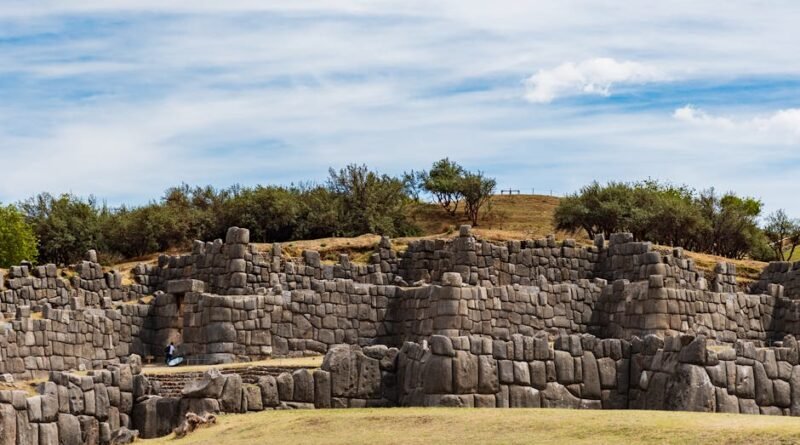
One of the most popular uses of the ticket is for the four archaeological sites just outside the city: Sacsayhuamán, Qenqo, Puka Pukara, and Tambomachay. These are commonly visited together on a half-day city tour or by independent travelers who take a taxi and move between sites.
If these ruins are high on your list, a boleto turístico often becomes worthwhile quickly, especially if you plan to add more included sites later.
Sacred Valley sites
The full ticket generally includes key Sacred Valley stops such as Pisac, Ollantaytambo, Chinchero, and Moray. Some versions also cover southern valley sites like Tipón and Pikillacta, depending on the circuit.
This matters because many travelers assume each valley ruin is ticketed separately. In practice, the boleto turístico is often the standard way to access several of them.
Museums and cultural attractions
The full pass may also include selected museums or cultural venues in Cusco. These can add value if you have extra time in the city, but for many travelers they are secondary compared with the archaeological sites.
If your schedule is tight, do not overestimate how many museum stops you will actually fit in. The ruins usually deliver the best value from the pass.
For a detailed breakdown of commonly included sites and ticket types, this overview of the general tourist ticket for Cusco is a useful reference.
What the boleto turístico does not cover
This is where many travelers get caught out. The Cusco tourist ticket boleto turistico does not cover every major attraction in the region.
- Machu Picchu
- Qorikancha
- Cusco Cathedral
- Some churches, private museums, and special exhibits
If you are building a budget, treat these as separate line items. Machu Picchu in particular has its own reservation system and should never be assumed to be part of the boleto turístico.
If you want a traveler-friendly explanation of the most common exclusions, this guide on the Cusco tourist ticket explained highlights what is and is not included.
Full ticket vs partial circuits
When the full ticket makes sense
The full ticket is usually the better choice if you are spending several days in Cusco and the Sacred Valley and expect to visit a mix of city ruins and valley sites. It is especially useful for first-time visitors doing a classic itinerary with multiple archaeological stops.
If your trip includes a Sacred Valley day, the four ruins above Cusco, and at least one or two additional included sites, the full pass often becomes the most practical option.
When a partial ticket is better
A partial circuit is better when your plans are focused and short. For example, if you only want the four nearby ruins above Cusco, or only the Sacred Valley sites on a day trip, a partial pass may save money.
This can be the smarter choice for travelers arriving late, leaving early, or prioritizing only a few headline sites rather than trying to cover everything.
| Option | Best for | Main advantage | Main drawback |
|---|---|---|---|
| Full ticket | Travelers visiting several sites over multiple days | Broadest coverage and easiest planning | You may pay for sites you never visit |
| Partial circuit | Travelers focused on one area or short stays | Better value for limited itineraries | Less flexible if you change plans |
When the Cusco tourist ticket boleto turistico is worth it
It is worth it if you are sightseeing actively
If you enjoy ruins, viewpoints, and museums and plan to move around the region, the pass is usually worth considering. It rewards travelers who start early, combine sites efficiently, and already know which stops matter most to them.
The more included sites you actually visit, the stronger the value becomes. This is especially true if you are joining organized day tours where ticketed archaeological stops are built into the route.
It may not be worth it if your itinerary is narrow
If your main goal is Machu Picchu and you only have a little time in Cusco, the boleto turístico may be unnecessary. The same goes for travelers who prefer slow travel and only want one or two ruins.
Buying the full pass just because it sounds standard can lead to wasted money. The right question is not whether most tourists buy it, but whether you will use enough of it.
For another practical perspective on who benefits most, this guide to the Cusco Tourist Ticket is helpful for comparing the full pass with partial options.
How to decide before you buy
Map your actual route
List the exact places you want to see, then group them by area: Cusco city, ruins above Cusco, Sacred Valley, or the southern sites. Once you do that, the right ticket type is usually much clearer.
Do not build your plan around the ticket. Build your ticket choice around your plan.
Be realistic about time and energy
Cusco’s altitude, travel times, and early starts can affect how much sightseeing you actually do. A full pass looks attractive on paper, but not if you end up skipping half the included attractions because you are tired or acclimatizing.
Quick Tip: If your first day in Cusco is mainly for altitude adjustment, avoid counting on a packed museum-and-ruins schedule right away.
Check how your tour handles entry
Some day tours do not include admission, which means you need the correct ticket in advance or at the first stop. Others may explain which pass you need but still expect you to buy it separately.
Always read the tour inclusions carefully so you are not surprised on the day.
Practical buying tips and common mistakes
Bring enough local payment options and some flexibility. Ticket rules, accepted payment methods, and sales points can change, so it is wise to confirm current details locally through your hotel, tour operator, or official information source after arrival.
- Do not assume every famous attraction is included.
- Do not buy the full pass if you only want one small circuit.
- Do not leave the decision too late if your tour starts early.
- Do keep your ticket safe, since it may be checked at multiple sites.
A common mistake is treating the boleto turístico as a souvenir extra rather than a core planning detail. If your itinerary depends on included ruins, choosing the right pass should be part of trip planning, not an afterthought.
Final verdict for most visitors
The Cusco tourist ticket boleto turistico is worth it for visitors planning multiple museums and ruins, especially those combining the archaeological sites near Cusco with a fuller Sacred Valley itinerary. It offers convenience and can provide solid value when your route includes several included stops.
It is less compelling for travelers focused mainly on Machu Picchu, those with only one free day in Cusco, or anyone planning to see just one or two ruins. In the end, the best choice comes down to simple math and honest planning: count the included sites you truly want to visit, then choose the pass that fits your real trip rather than the ideal version of it.