
Maras and Moray Tour from Cusco: Best Time, Tour Options, and Must-See Attractions
Planning a Maras and Moray tour from Cusco can seem simple at first, but many travelers quickly run into the same questions: Is a half-day tour enough? When is the best time to go? What exactly will you see beyond the postcard views? If you want a trip that combines archaeology, mountain scenery, and living traditions, this route is one of the most rewarding short excursions in the Cusco region.
In this guide, you’ll learn what to expect on a Maras and Moray tour from Cusco, the best time to visit, the main tour formats, and how to choose the option that fits your travel style. You’ll also get practical tips on altitude, packing, timing, and what makes each stop meaningful.
Tours to Cusco
Key Takeaways
- A Maras and Moray tour from Cusco usually visits the circular terraces of Moray and the salt pans of Maras, often as a half-day trip.
- The dry season generally offers clearer views and easier walking, while the wet season can bring greener landscapes and fewer crowds.
- Half-day tours are efficient, but full-day tours often add places such as Chinchero for more cultural context.
- Moray is best for travelers interested in Inca agricultural engineering, while Maras stands out for dramatic landscapes and traditional salt production.
- Bring sun protection, layers, water, and comfortable shoes, because weather and altitude can change quickly around Cusco.
Why this tour is one of the best short trips from Cusco
If you do not have time for a long Sacred Valley itinerary, this excursion gives you a strong introduction to the region’s history and geography in just a few hours. It combines an archaeological site with a working cultural landscape, which makes it feel more varied than some single-stop tours.
Moray and Maras are also visually distinct. At Moray, you see deep circular terraces cut into the earth; at Maras, thousands of white salt pans spread across the hillside. That contrast is a big part of why this route appeals to travelers who enjoy both archaeology and landscapes.
What makes Moray special
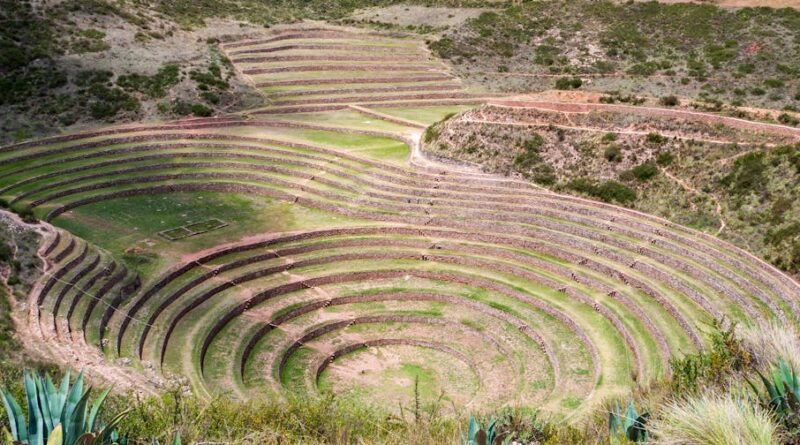
Moray is often described as an Inca agricultural laboratory. The site features concentric terraces built into natural depressions, creating a striking amphitheater-like design that still feels unusual even if you have already visited other Inca ruins.
Many travelers appreciate Moray because it invites closer observation. You are not just looking at old stonework; you are looking at a place tied to experimentation, microclimates, and land management in the high Andes.
What makes Maras special
The salt pans of Maras, also called the Salineras, are one of the most photogenic places near Cusco. The pools step down the hillside in geometric patterns, fed by salty spring water and still worked by local families using traditional methods.
Unlike a purely archaeological stop, Maras feels alive. You are seeing a productive landscape rather than a ruin alone, and that gives the visit a different energy.
Best time to take a Maras and Moray tour from Cusco
The best time depends on what matters most to you: weather, views, crowd levels, or photography. In general, many travelers prefer the drier months because roads and paths are easier, and the surrounding mountain scenery is often clearer.
That said, the greener months can also be beautiful. Rain can make the fields more vivid, and the countryside may feel especially dramatic under shifting clouds.
Dry season: clearer views and easier logistics
During the drier part of the year, you are more likely to get bright skies and broad views over the highland landscape. This is often the easiest period for walking around viewpoints and moving between stops without worrying about muddy ground.
It is also a practical choice if you want crisp photos of the terraces and salt pans. The trade-off is that popular departure times may feel busier, especially on standard group tours.
Wet season: greener scenery and a different atmosphere
In the wetter months, the countryside around Cusco often looks greener and more lush. Clouds can drift quickly across the valleys, which can create beautiful and dramatic views.
The main downside is that rain can affect comfort and visibility. You may need waterproof layers, and some viewpoints are less enjoyable if conditions are slippery or foggy.
Quick Tip: If you want the best balance between comfort and scenery, choose a morning departure and bring layers even on sunny days. Weather around Cusco can shift quickly from warm sun to wind or light rain.
Tour types: half-day, full-day, private, and combo options
Not every Maras and Moray tour from Cusco is the same. The right choice depends on your schedule, interest level, and whether you prefer efficiency or a slower pace.
Many operators offer half-day departures, while others build the route into a broader Sacred Valley day. You can see examples of both formats in listings such as this half-day Maras and Moray tour from Cusco and this full-day Maras, Moray, and Chinchero day tour.
Half-day tours
Half-day tours are ideal if you have limited time or want a lighter day between more demanding activities. They usually focus on Moray and Maras only, with transport from Cusco and a guided explanation at the main stops.
This is often the best choice for travelers who want a straightforward outing without committing a full day. It also works well if you are still adjusting to altitude and prefer a shorter schedule.
Full-day tours
Full-day tours usually add another stop, often Chinchero or another part of the Sacred Valley. That gives you more cultural context, especially if you are interested in weaving traditions, colonial churches, or Andean village life.
The trade-off is a longer itinerary and less flexibility in pacing. If your main goal is only Moray and the salt pans, a full-day trip can feel less focused.
Private tours
Private tours are best for travelers who want more control over timing, photography stops, and guide interaction. They are especially useful if you like moving at your own pace or want to spend more time discussing archaeology and landscape use.
They usually cost more, but the experience can feel much more relaxed. For couples, families, and small groups, the extra comfort may be worth it.
Combo tours with Chinchero
Some itineraries combine Maras and Moray with Chinchero, adding a useful cultural layer to the day. This can be a strong option if you want to connect Inca engineering with living textile traditions and highland village life.
You can see this kind of route reflected in itineraries like this Moray, Maras salt pools, and Chinchero tour.
| Tour type | Best for | Main trade-off |
|---|---|---|
| Half-day | Short stays, efficient sightseeing | Less time for extra stops |
| Full-day | Travelers wanting broader context | Longer schedule |
| Private | Flexibility, deeper discussion, photographers | Higher price |
| Combo with Chinchero | Culture plus landscapes | More structured itinerary |
What you’ll see on the route
Although the exact order can vary, most tours leave Cusco and head into the highland countryside northwest of the city. The drive itself is part of the experience, with broad Andean views, patchwork fields, and glimpses of village life.
Once you arrive at the main sites, the experience shifts from scenic driving to focused observation. Each stop offers a different way of understanding how people have used this landscape over time.
Moray’s circular terraces
At Moray, the main attraction is the series of circular and semi-circular terraces descending into large depressions. The geometry is impressive from above, and the site is especially rewarding for travelers who enjoy seeing how engineering and environment come together.
Guides often explain Moray in relation to agriculture, altitude, and the Incas’ understanding of local conditions. Even without technical detail, the layout alone makes it one of the most memorable archaeological sites near Cusco.
The Maras salt pans
The salt pans are spread across a hillside in a dense mosaic of shallow pools. Their bright surfaces contrast beautifully with the earth tones of the valley, making this a favorite stop for landscape photography.
What stands out most is that the site is not only scenic but also functional. Travelers often find it fascinating to learn that salt production here continues through traditional local practices.
Views of the highland countryside
One of the underrated parts of the tour is the landscape between the headline attractions. You pass through open Andean terrain with cultivated fields, rolling slopes, and mountain backdrops that help place both sites in a wider geographic setting.
For travelers interested in archaeology, this matters. Ancient sites make more sense when you can see the agricultural land, settlement patterns, and terrain around them.
How to choose the right tour for your travel style
The best tour is not always the longest or most expensive one. It is the one that matches your pace, interests, and energy level while in Cusco.
If this is one of your first days at altitude, a shorter outing may be smarter than a packed full-day schedule. If you are deeply interested in Andean history, a private guide or a combo route may feel much more rewarding.
Choose a half-day tour if you want efficiency
This option works well for travelers with tight itineraries, early flights the next day, or other Sacred Valley plans. It gives you the highlights without using up your whole day.
Choose a full-day or combo tour if you want more context
If you enjoy connecting archaeology with living culture, a longer itinerary can add depth. Stops such as Chinchero help show how Andean traditions continue beyond the ancient sites themselves.
Choose a private tour if photography or pacing matters most
Private tours are especially useful if you want to avoid feeling rushed. They can also be better if you prefer quieter moments at viewpoints or want time for detailed questions.
Practical tips before you go
A little preparation makes this excursion much more comfortable. Even though it is not a difficult adventure activity, the altitude and weather around Cusco can catch people off guard.
- Wear layers so you can adjust to sun, wind, and cool temperatures.
- Bring sunscreen, sunglasses, and a hat because high-altitude sun can feel intense.
- Use comfortable walking shoes with decent grip.
- Carry water and a light snack, especially on longer departures.
- Keep your camera or phone ready for wide landscape views between stops.
Quick Tip: If you have just arrived in Cusco, consider doing this tour after a light acclimatization day rather than immediately after landing.
Is the Maras and Moray tour worth it?
For most travelers interested in archaeology and landscapes, yes. It is one of the best short excursions from Cusco because it offers strong visual variety, manageable logistics, and meaningful historical context without requiring a major time commitment.
It is especially worth it if you want something beyond the classic city ruins and churches. Moray and Maras show a different side of the Cusco region: one focused on land use, experimentation, production, and the close relationship between people and the Andean environment.
Frequently Asked Questions
How long does a Maras and Moray tour from Cusco take?
Many tours take about half a day, though full-day options are also common when combined with places such as Chinchero. The exact duration depends on transport, group size, and added stops.
Is Moray or Maras better?
They are different rather than better or worse. Moray is usually more interesting for archaeology and Inca engineering, while Maras stands out for scenery, photography, and living salt-production traditions.
Can you visit Maras and Moray without a tour?
Yes, independent travel is possible, but many visitors choose a tour for simpler transport and useful explanation on site. A guided visit often helps you understand what you are seeing beyond the visual highlights.
What should I wear for the tour?
Wear comfortable walking shoes and layered clothing suitable for changing mountain weather. Sun protection is important, and a light waterproof layer is helpful if conditions look uncertain.