
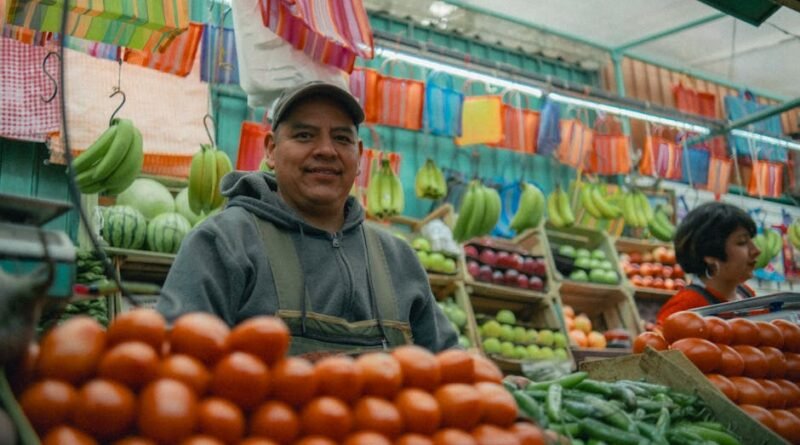
Mexico City Food Guide: Market Visits, Taco Neighborhoods, and Essential Dining Tips
Planning a trip around food in Mexico City can feel exciting and overwhelming at the same time. The city is huge, the choices are endless, and it is not always obvious which markets to visit, which taco neighborhoods to prioritize, or how to order well if you do not know the local rhythm. This guide to Mexico City for food lovers will help you build a smarter eating plan, from market visits and taco stops to practical dining tips that make your meals smoother and more rewarding.
You will learn which kinds of markets are best for different experiences, where to focus if tacos are high on your list, how to approach street food with confidence, and when it makes sense to book a sit-down meal. Whether you want classic antojitos, late-night tacos, or a more polished restaurant experience, this article will help you eat well without wasting time.
Key Takeaways
- Choose markets based on your comfort level: some are easier for first-timers, while others are more intense and better for adventurous eaters.
- Neighborhoods matter as much as individual stalls, especially for tacos, casual dining, and evening food crawls.
- Go beyond tacos by trying tlacoyos, quesadillas, tortas, tamales, seafood, and regional specialties.
- Timing is important: markets are often best earlier in the day, while many taquerias shine at night.
- Simple habits like carrying cash, watching for busy stalls, and learning a few food terms make dining much easier.
Why Mexico City is one of the best food cities to explore on foot
A city of neighborhoods, not just famous restaurants
One of the best things about eating in Mexico City is that great food is spread across everyday neighborhoods, not locked inside a few headline restaurants. You can have an excellent breakfast in a market, a memorable lunch at a fonda, and tacos at night within a short walk or a quick ride.
For foodies, that means the city rewards curiosity. Instead of chasing only famous names, it helps to think in terms of local areas, busy corners, and places where residents actually eat.
Street food, markets, and dining rooms all matter
Mexico City for food lovers is not just about street tacos. The full experience includes produce markets, snack stalls, old-school eateries, modern restaurants, bakeries, and neighborhood taquerias that fill up after dark.
This mix is what makes the city so satisfying. You can eat casually most of the time and still leave room for one or two more formal meals if that fits your travel style.
How to approach market visits in Mexico City
Start with an easier market if it is your first visit
If you are new to Mexico City markets, start somewhere manageable before diving into the busiest options. Markets such as Mercado Medellin are often seen as more approachable for visitors who want a local feel without the most chaotic environment. For a useful overview of different options, see this guide to food markets in Mexico City.
An easier first market lets you get comfortable with how stalls work, what people are ordering, and how to spot the busiest counters. It is a good way to build confidence before visiting larger and more intense markets.
Know what to eat at a market
Markets are ideal for breakfast and lunch foods, snacks, and regional specialties. Depending on the stall, you may find quesadillas made to order, tlacoyos topped with nopales or cheese, tortas, fresh juices, soups, and stewed dishes served as comida corrida.
Produce and ingredient markets can also be worth visiting even if you are not shopping. They give you a better sense of local ingredients, from dried chiles and herbs to seasonal fruits and fresh tortillas.
Save the most chaotic markets for the right mood
Some markets are part of the appeal precisely because they are loud, crowded, and intense. La Merced is a well-known example, and many travelers find it fascinating for its scale and energy. If you want a sense of what that experience can be like, this Mexico City food tour page with La Merced context offers a helpful snapshot.
That said, not every traveler enjoys a high-pressure market environment. If you prefer a calmer experience, there is nothing wrong with choosing smaller neighborhood markets instead.
Quick Tip: Visit markets earlier rather than late in the afternoon for the best selection, fresher preparations, and a more relaxed pace.
Best taco neighborhoods to prioritize
Roma and Condesa for variety and convenience
Roma and Condesa are popular bases for travelers, and they make food exploration easy. You will find taquerias, bakeries, coffee shops, natural wine bars, and sit-down restaurants within a compact area, which is useful if you want variety without spending too much time in transit.
These neighborhoods are not the only places to eat well, but they are practical starting points. They work especially well for visitors who want to mix casual taco stops with a few trendier dining options.
Narvarte for serious taco focus
If tacos are a major priority, Narvarte is often mentioned by locals and food-focused travelers for good reason. The neighborhood has a strong taqueria culture and feels more everyday than some visitor-heavy areas, which can make your meals feel more grounded and less curated.
It is a smart choice for an evening taco crawl. You can compare styles, fillings, salsas, and tortilla textures across several stops instead of treating one taqueria as the whole experience.
Centro for classic, fast-paced eating
The historic center is useful if you want to combine sightseeing with quick, traditional food stops. It is a good place to look for long-running eateries, casual counters, and street snacks that fit naturally into a day of walking.
The pace can feel hectic, but that is part of the appeal. If you are already exploring museums, plazas, or major landmarks, it makes sense to plan a few food stops here rather than returning only for dinner.
| Neighborhood | Best for | What to expect |
|---|---|---|
| Roma/Condesa | Convenience and variety | Easy mix of taquerias, cafes, and restaurants |
| Narvarte | Taco-focused evenings | Strong local taqueria culture and less touristy feel |
| Centro | Food between sightseeing stops | Fast-paced, traditional, and very walkable in parts |
What to eat beyond the obvious tacos
Try antojitos and regional staples
Tacos deserve the attention they get, but they are only one part of the city’s food culture. Look for tlacoyos, sopes, huaraches, tamales, pambazos, and tortas if you want a broader picture of what people actually eat across the day.
These foods also help you notice regional influences. Mexico City pulls in ingredients and dishes from across the country, so one trip can expose you to many styles without leaving the capital.
Do not skip breakfast and lunch foods
Many travelers focus too much on dinner, yet some of the most satisfying meals in Mexico City happen earlier. Market breakfasts, tamales with atole, egg dishes in neighborhood cafes, and lunch specials at fondas can be just as memorable as a late-night taco run.
Lunch is also a good time to eat more substantial home-style food. If you want a break from constant grazing, a set meal can be a welcome reset.
Use specialist guides for inspiration, not strict checklists
If you want more ideas for specific dishes and neighborhoods, this Mexico City street food guide is useful for inspiration. The best approach, though, is to stay flexible and follow what looks busy, fresh, and appealing in the moment.
That flexibility matters because opening hours, stall schedules, and neighborhood rhythms can change. A good food day in Mexico City usually comes from balancing a loose plan with room for spontaneous stops.
Practical dining tips that make the experience easier
Carry cash and order simply
Many casual spots and market stalls still work best with cash, especially for small purchases. Carrying smaller bills helps, and it makes ordering quicker during busy periods.
When in doubt, keep your order simple. Start with one or two items, see what arrives at nearby tables, and order more if you want to continue.
Watch where locals are eating
One of the most useful habits is to look for turnover. A busy stall or taqueria usually means fresher food, a more reliable rhythm, and dishes that people return for regularly.
This is especially useful in markets and on streets with many similar options. If one place is full and another is empty, the crowd is often giving you a helpful signal.
Learn the salsa and topping routine
Salsas can vary a lot in heat, even when they look mild. If you are unsure, add a little first instead of pouring generously over everything.
You will often find toppings such as chopped onion, cilantro, lime, radish, or pickled vegetables nearby. Part of the fun is adjusting each bite to your taste, but it is worth watching how others build theirs before diving in.
Quick Tip: If your Spanish is limited, learn a few food words like pastor, suadero, birria, con queso, sin cebolla, and para llevar. They go a long way.
How to balance street food with sit-down dining
Use street food for discovery
Street food is one of the fastest ways to understand the city’s flavors. It is ideal for trying several things in one day, comparing styles, and seeing how different neighborhoods eat.
It also makes your trip more flexible. You do not need a reservation to have a great bite, and some of the most satisfying meals are the least formal.
Use restaurants for range and comfort
Sit-down restaurants are useful when you want a longer meal, a break from constant movement, or dishes that require more time and technique. They can also be a good way to explore seafood, regional cooking, or contemporary takes on Mexican ingredients.
For many travelers, the best strategy is a mix: mostly casual eating, with one or two restaurant meals built around neighborhoods you already plan to visit.
Book ahead for in-demand places
If there is a specific restaurant you really want to try, book in advance whenever possible. Mexico City has many excellent places, but popular dining rooms can fill quickly, especially in well-known neighborhoods.
At the same time, avoid over-scheduling every meal. Leaving room for a market breakfast or an unplanned taqueria stop often leads to the most memorable food moments.
Sample food game plan for a short stay
One-day approach
Start with breakfast in a neighborhood cafe or market, have a market lunch or a fonda meal, then dedicate the evening to a taco neighborhood such as Narvarte or Roma. This gives you a broad view of the city’s food culture without trying to do too much.
If you still have energy, finish with something sweet from a bakery or a simple late-night snack. Mexico City rewards pacing more than overloading.
Two- to three-day approach
On a longer stay, split your meals by format. Do one market-focused morning, one neighborhood taco crawl, one more polished dinner, and one day built around casual stops while sightseeing.
This structure helps you avoid repetition. You will try more textures, more cooking styles, and more parts of the city without turning the trip into a checklist.
Frequently Asked Questions
What is the best area to stay in Mexico City for food lovers?
Roma and Condesa are often the easiest choices because they offer a wide range of cafes, taquerias, bars, and restaurants within a convenient area. If tacos are your main focus, you should also make time for neighborhoods such as Narvarte.
Are Mexico City markets worth visiting if I mainly want to eat?
Yes. Markets are one of the best places to try everyday dishes, snacks, juices, and regional specialties in a casual setting. They also help you understand the ingredients and food culture beyond restaurant menus.
Is it better to eat tacos at lunch or at night in Mexico City?
Both can be good, but many taquerias feel especially lively at night. Lunch is great for market food and home-style meals, while evenings are often ideal for taco crawls and more social eating.
How can I choose a good street food stall in Mexico City?
Look for busy stalls with steady turnover, fresh ingredients, and people actively ordering and eating. Watching what locals choose and how the food is handled can help you make a better decision quickly.