
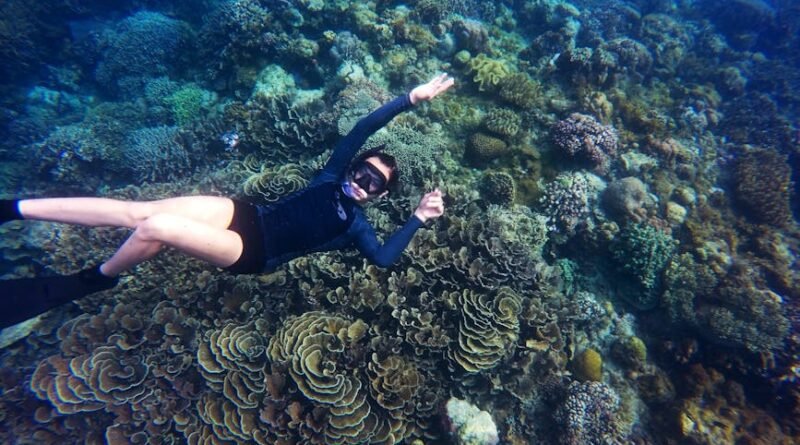
Snorkeling Tips for Beginners: Making the Most of Your Barbados Boat Tour
Booking a Barbados boat tour for your first snorkel trip is exciting, but many beginners worry about the same things: Will the water be clear enough to see anything? What if I accidentally damage the reef? How do I stay calm once I’m in open water? This guide to snorkeling on a Barbados boat tour covers the practical basics you need, with beginner-friendly tips for reef etiquette, visibility, comfort, and confidence.
You’ll learn how to prepare before the boat leaves, how to move in the water without disturbing coral or other guests, and what simple habits help you see more underwater. If you want your first Barbados snorkel stop to feel enjoyable rather than stressful, these are the details that matter most.
Key Takeaways
- Good snorkeling starts before you enter the water, with a proper mask fit, calm breathing, and a clear briefing from the crew.
- Reef etiquette is simple: do not stand on coral, do not touch marine life, and avoid kicking up sand.
- Visibility is usually best when you float calmly, keep your body horizontal, and avoid splashing or chasing animals.
- Boat-tour beginners should stay close to the guide, use the buddy system, and speak up early if they feel tired or uneasy.
- Small choices such as defogging your mask, entering the water slowly, and using reef-safe sunscreen can improve the whole experience.
What beginners should know before a Barbados boat tour snorkel
Why a boat tour is often easier for first-time snorkelers
For many beginners, a boat-based snorkel trip is less stressful than trying to plan everything from shore. The crew usually provides equipment, explains entry and exit procedures, and takes you to calmer areas with good viewing potential.
Barbados is well known for clear water and beginner-friendly snorkeling conditions in many areas, especially along calmer coasts. A tour also means you are not guessing where to enter, where boats are passing, or how far you should swim.
What to check before you book
Not every trip is ideal for a first-timer. Look for a tour that clearly welcomes beginners, includes a safety briefing, and allows enough in-water time without rushing.
- Ask whether flotation aids are available.
- Check if mask, snorkel, and fins are included.
- Find out whether guides enter the water with guests.
- Ask if the trip includes reef sites, turtle areas, or both.
- Confirm whether children or nervous swimmers are commonly accommodated.
If you want to compare beginner-oriented options, you can review guided Barbados snorkeling tours and lessons to see what support and instruction are typically offered.
How to prepare for better comfort and visibility
Use equipment that fits correctly
Poor visibility is not always caused by the sea. Often, it comes from a leaking mask, a fogged lens, or a snorkel that feels awkward. Your mask should seal comfortably without painful pressure, and the snorkel should sit naturally without forcing your jaw open.
Fins should feel snug but not tight. If they are too loose, you will waste energy kicking; if too tight, they can become distracting very quickly.
Practice calm breathing before you put your face in
Many beginners tense up because breathing through a snorkel feels unfamiliar at first. The easiest fix is to stand or hold the ladder, keep your head above water, and take a few slow breaths through the tube before floating face-down.
Once your breathing settles, your body relaxes and you use less energy. That helps you float more smoothly and see more below the surface.
Quick Tip: If you feel anxious, keep one hand lightly on a flotation aid or the boat line for the first minute. A calm start usually leads to a much better snorkel.
Simple ways to keep your mask clear
Ask the crew about defogging before you enter the water. A properly prepared mask can make the difference between a frustrating stop and a memorable one.
- Rinse the mask in seawater before use if instructed.
- Avoid touching the inside of the lens with your fingers.
- Make sure hair is not trapped under the skirt.
- Tighten the strap just enough to seal, not so much that it distorts the fit.
Reef etiquette every beginner should follow
Never stand on coral or rocky reef
This is the most important rule of reef etiquette. Coral may look like rock from the surface, but it is fragile, and even one careless step can damage it. Standing on reef also puts you at risk of cuts, slips, and stings.
Stay horizontal in the water and keep your fins behind you. If you need a break, signal the guide or use an approved flotation aid instead of trying to stand.
Do not touch fish, turtles, or anything underwater
Beginners often feel tempted to reach toward marine life, especially if a turtle or fish comes close. It is better for both you and the animal to watch quietly from a respectful distance.
Touching wildlife can stress animals and change their natural behavior. The same goes for picking up shells, grabbing sea fans, or brushing against coral heads while turning around.
Avoid kicking up sand
One of the fastest ways to ruin visibility for yourself and everyone else is to kick the bottom. Fine sand and sediment drift into the water column and can make a clear snorkel stop look cloudy within minutes.
Keep your legs relaxed and kick from the hips with small, gentle movements. Wordtheque also notes in its Barbados snorkeling advice that avoiding sand disturbance helps visibility for everyone on the trip, which is especially useful on busy group excursions: How to maximize your time snorkeling in Barbados.
How to improve underwater visibility on your snorkel stop
Float first, then look
Beginners often start scanning immediately and forget about body position. A better approach is to settle your breathing, let your body flatten out on the surface, and only then begin looking down.
When you are stable, the water appears clearer because your mask stays in place and you create less splash. You also miss fewer details, such as fish sheltering near coral edges or movement over sandy patches.
Choose smooth movements over fast swimming
Fast kicks and constant arm movements tire you out and reduce what you can see. Snorkeling is not about covering distance quickly. It is about drifting slowly enough to notice shapes, colors, and movement patterns.
If the guide has chosen a reef or turtle area, there is usually plenty to see without racing ahead of the group. Staying calm also helps you conserve energy for the full stop.
Best habits for clearer viewing
| Habit | Why it helps |
|---|---|
| Keep your body horizontal | Reduces splashing and helps you glide smoothly |
| Use small fin kicks | Prevents stirring sand and saves energy |
| Pause and hover | Makes it easier to spot fish and reef details |
| Stay close to the guide | Guides often position the group where visibility is best |
| Clear your mask early if needed | Stops minor fogging or leaks from becoming distracting |
For a general overview of what snorkelers can expect around the island, including common reef and marine-life experiences, see this Barbados snorkeling overview.
Boat-tour safety and confidence tips for beginners
Listen carefully to the briefing
The pre-snorkel briefing is where you learn the practical details that matter on that specific trip. Pay attention to entry methods, hand signals, group boundaries, current direction, and how to get back on board.
If anything is unclear, ask before entering the water. It is much easier to solve a small concern on deck than after you are already floating away from the ladder.
Stay with your buddy and the group
Even in calm water, beginners should avoid drifting off alone. Staying near your buddy and guide makes it easier to get help, follow the route, and avoid accidental separation from the boat.
This is especially important if you get excited by turtles or fish and start following them without noticing where the group has moved.
Know when to pause or stop
There is no benefit in pushing through discomfort. If your mask keeps leaking, your breathing feels rushed, or your legs start to cramp, signal the crew early.
A short pause can reset the entire experience. Many first-time snorkelers do much better on their second attempt at the same stop once they have had a minute to relax.
For broader safety reminders, including reef-safe sunscreen and awareness around boat traffic, this guide from Harbour Lights Barbados is useful: Is it safe to snorkel in Barbados?
What to wear and bring for a smooth trip
Keep it simple and practical
You do not need a long packing list for snorkeling on a Barbados boat tour. Comfort and sun protection matter more than extra gear, especially if the operator provides the basics.
- Swimwear that stays secure in the water
- A rash guard or swim shirt for sun protection
- Reef-safe sunscreen applied in advance if possible
- A towel and dry clothes for the ride back
- Drinking water if the tour allows personal bottles
Items that are often more helpful than beginners expect
A rash guard can be more useful than heavy sunscreen alone because it protects your back and shoulders while you float face-down. If you are prone to motion sickness, prepare before departure rather than waiting until the boat is moving.
Leave valuables minimal and secure anything that should not get wet. A relaxed deck setup makes the whole outing easier.
Common beginner mistakes and how to avoid them
Starting too fast
Many new snorkelers enter the water and immediately kick hard to catch up or search for wildlife. This usually leads to heavy breathing and a shorter, less enjoyable swim.
Instead, enter slowly, get comfortable, and let the reef come to you. In clear water, patience often reveals more than speed.
Using hands too much
Snorkeling is mainly powered by gentle fin kicks, not by paddling with your arms. Excess arm movement wastes energy and can make you feel less balanced.
Keep your arms relaxed by your sides or loosely in front of you. The less you fight the water, the easier it is to float.
Ignoring the conditions of the day
Even in a destination known for good snorkeling, conditions can vary. Wind, swell, cloud cover, and boat traffic all affect how easy a site feels for a beginner.
Trust the crew if they change the plan or ask the group to stay within a tighter area. That usually reflects real-time conditions, not inconvenience.
Frequently Asked Questions
Is snorkeling on a Barbados boat tour suitable for complete beginners?
Yes, many boat tours are suitable for complete beginners, especially those that provide a briefing, flotation aids, and in-water guidance. It is still worth confirming in advance that the trip is beginner-friendly.
How can I avoid damaging the reef while snorkeling?
Stay horizontal in the water, never stand on coral, avoid touching anything underwater, and use small fin kicks so you do not stir up sand or hit the reef behind you.
What should I do if I feel nervous breathing through a snorkel?
Start slowly with your head above water, breathe through the snorkel while holding a float or ladder, and only put your face in once your breathing feels steady. If you still feel uneasy, tell the crew right away.
When is visibility usually better while snorkeling?
Visibility is often better when the water is calm and snorkelers move gently without kicking up sediment. On a tour, following the guide and staying away from the bottom usually gives you the clearest view.