Rome in 3 Days: The Ultimate Itinerary Combining Guided Tours and Self-Guided Exploration
Planning Rome in 3 days can feel overwhelming. The city is packed with major sights, long queues, and neighborhoods that reward slow wandering, so it is easy to either overbook your schedule or waste time zigzagging across town.
This itinerary is designed for travelers who want a smart middle ground: use guided tours for the places where context and skip-the-line access matter most, and keep flexible self-guided time for piazzas, churches, viewpoints, and meals. Below, you will find a practical day-by-day plan, tips on when to book tours, and how to make the most of limited time without turning your trip into a checklist.
Key Takeaways
- Use guided tours for the Colosseum, Roman Forum, Palatine Hill, and Vatican Museums to save time and add context.
- Keep central Rome self-guided so you can move at your own pace between major landmarks like the Pantheon, Trevi Fountain, and Piazza Navona.
- Group sights by area to reduce transit time and avoid unnecessary backtracking.
- Book major timed entries early in the day when possible, then leave afternoons and evenings more flexible.
- Wear comfortable shoes, expect uneven streets, and build in breaks for coffee, lunch, and simple wandering.
Why a guided-plus-self-guided approach works well in Rome
Use tours where history is harder to appreciate on your own
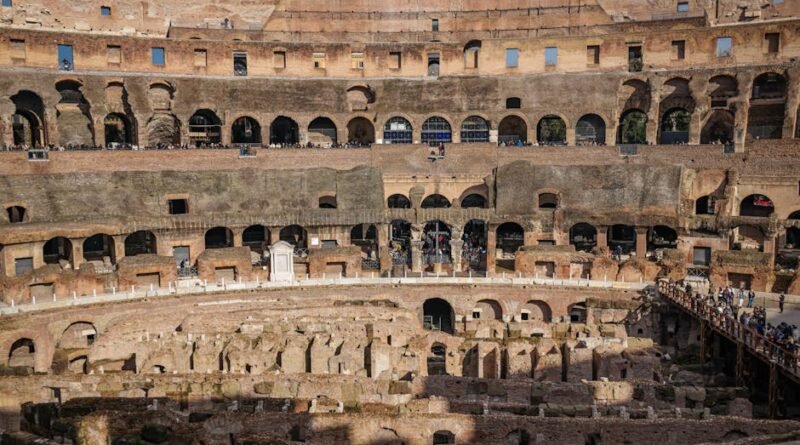
Some Rome sites are far more rewarding with a guide. The Colosseum and Roman Forum are not just photogenic ruins; they are layered archaeological spaces that make more sense when someone explains what you are seeing and how the spaces were used.
The Vatican Museums are another good example. They can be crowded and complex, and a guided visit helps you move through them with purpose instead of spending energy figuring out where to go next.
Keep the historic center flexible
Rome’s historic center is ideal for self-guided exploration. Distances between major sights are manageable, and part of the experience is discovering side streets, fountains, churches, and cafés between the big landmarks.
This balance gives structure to the busiest parts of your trip while still leaving room for spontaneous moments. That is often the difference between a rushed visit and a satisfying one.
Quick Tip: If you only book two paid tours, make them your ancient Rome visit and your Vatican visit. Those are usually the biggest time-savers.
Before you start: how to plan your 3 days in Rome
Choose a central base
For a short trip, staying in or near the historic center makes a big difference. Areas with good access include Centro Storico, Monti, and neighborhoods near Termini if you want stronger transport connections.
The goal is simple: reduce commute time. In a three-day trip, every extra metro ride or taxi transfer adds up.
Book timed entries in advance
For an efficient Rome itinerary, pre-book anything that can sell out or create long waits. That usually means the Colosseum area and Vatican Museums first.
If you want extra itinerary ideas, you can compare your plan with resources such as this Rome in 3 days guide from Romewise and this practical Rome itinerary advice on Rome.net.
Know when to walk and when to use transport
Much of this itinerary is walkable, but Rome is not always easy walking. Cobblestones, heat, stairs, and crowds can slow you down more than expected.
Use walking for the historic center, but be realistic about taking a taxi or public transport when changing districts. Saving energy can be just as valuable as saving money.
| Activity type | Best approach |
|---|---|
| Ancient Rome sites | Guided tour with timed entry |
| Vatican Museums and St. Peter’s area | Guided tour or pre-booked timed visit |
| Pantheon, Trevi, Navona, Spanish Steps | Self-guided walking route |
| Evening neighborhoods | Flexible self-guided time |
Day 1: Ancient Rome with a guided tour, then Monti or Capitoline views
Morning: Colosseum, Roman Forum, and Palatine Hill
Start your first day with a guided tour of the Colosseum, Roman Forum, and Palatine Hill. This is one of the best places to use a guide because the historical context turns scattered ruins into a coherent story.
Try to book the earliest practical slot. Morning visits usually feel more manageable, and you will still have the rest of the day free after the tour ends.
Afternoon: easy lunch and a lighter pace
After the tour, keep the afternoon simpler. Ancient Rome sites can be physically tiring, especially in warm weather, so this is not the best time to cram in another heavy museum visit.
A good option is lunch in Monti, followed by a relaxed walk through the neighborhood. If you still have energy, head toward the Capitoline area for city views and a sense of Rome’s layered urban landscape.
Evening: settle into Rome without overplanning
Your first evening is a good time to avoid strict scheduling. Walk, have dinner, and let the city unfold a bit. Rome often feels best after the main daytime rush, when streets and squares become more atmospheric.
If you prefer extra planning inspiration, this first-timer Rome itinerary offers another useful way to think about pacing a short stay.
Day 2: Vatican in the morning, then self-guided central Rome
Morning: Vatican Museums and St. Peter’s area
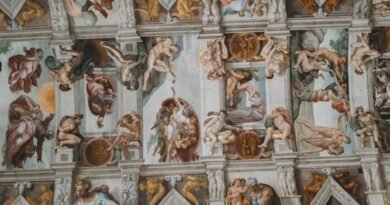
Use your second morning for the Vatican. A guided tour works especially well here because the museums are vast, and many travelers lose time navigating galleries without a clear route.
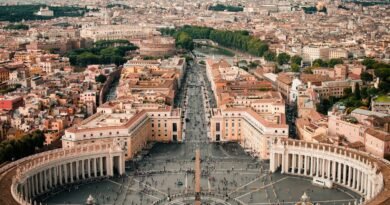
After the museums, continue to St. Peter’s area if it fits your booking and energy level. Keep in mind that security lines and crowd levels can affect timing, so leave some buffer in your schedule.
Afternoon: cross the river and walk central Rome
After lunch, shift into self-guided mode. This is the right moment for a scenic route through central Rome, where the joy comes from moving at your own pace rather than following a fixed group.
A practical sequence is Piazza Navona, the Pantheon, and then Trevi Fountain. These landmarks are close enough to link on foot, and the route naturally passes through some of the city’s most enjoyable streets.
Quick Tip: Visit major fountains and squares twice if possible: once in the afternoon for orientation and once after dinner for a calmer atmosphere.
Evening: Trevi, Spanish Steps, or a long dinner
Continue toward the Spanish Steps if you still have energy, or simply slow down for dinner nearby. This evening works best when it stays flexible, because central Rome is full of small detours that are worth taking.
Do not worry about seeing every church or piazza on the map. In a short visit, the goal is not completeness; it is a smooth route with enough time to enjoy what you do see.
Day 3: Choose between classic highlights and a more local-feeling final day
Option A: classic Rome with Trastevere and key viewpoints
If this is your first visit, use your final day to round out the essentials. Start with a relaxed morning, then explore Trastevere on foot, where the atmosphere is different from the monumental center and better suited to slow wandering.
From there, you can add a viewpoint or a final church, square, or riverside walk. This kind of day complements the more structured first two days well.
Option B: a themed guided outing beyond the core center
If you have already seen many major sights on a previous trip, your third day is a good place for a specialized tour. Some travelers prefer an Appian Way or e-bike experience, which offers a different side of Rome from the dense central districts.
This works especially well if you want a break from museum lines and crowded piazzas. It can also make your three-day Rome itinerary feel less repetitive.
How to decide
Choose the classic option if this is your first time in the city and you still want more iconic atmosphere. Choose the themed option if you value variety, outdoor time, or already know you enjoy history best in a more open setting.
| Day 3 style | Best for |
|---|---|
| Trastevere and central wandering | First-time visitors who want a relaxed final day |
| Appian Way or specialty tour | Travelers who want something less crowded and more distinctive |
| Extra museum or church-focused day | Repeat visitors with specific interests |
What to book, what to leave flexible, and how to avoid common mistakes
Book these in advance
- Colosseum, Roman Forum, and Palatine Hill guided tour or timed entry
- Vatican Museums guided tour or timed entry
- Any specialty tour you strongly want on day 3
Leave these flexible
- Historic center walking time
- Meals and coffee stops
- Evening piazza visits
- Neighborhood wandering such as Monti or Trastevere
Mistakes that make Rome feel harder than it needs to
A common mistake is trying to do the Vatican and ancient Rome on the same day. It is possible, but it often turns into a tiring race between two dense, high-demand areas.
Another mistake is underestimating walking time. Even short distances can take longer because of crowds, traffic crossings, heat, and the temptation to stop every few minutes.
Quick Tip: Build one low-pressure block into each day. That buffer helps if a tour runs long, you need a break, or you discover a place worth staying in longer.
Practical tips for making the most of Rome in 3 days
Pack and pace for comfort
Good shoes matter more than almost anything else in Rome. Streets can be uneven, and a packed sightseeing day becomes much less enjoyable if your feet are already tired by midday.
Carry water, especially in warmer months, and expect your pace to be slower than it looks on a map. Rome rewards patience.
Start early, but do not overfill evenings
Early starts are useful for high-demand sights, but you do not need every hour scheduled. A practical Rome itinerary leaves room for dinner, a final walk, and the possibility that you simply want to sit in a piazza and do nothing for a while.
That unstructured time is not wasted time. In many cases, it is the part of the trip people remember most.
Think in zones, not checklists
The smartest way to see Rome in 3 days is to group your days by area: ancient Rome, Vatican and central Rome, then a flexible final district or themed outing. This reduces transit time and helps the trip feel coherent.
If you approach Rome as a list of isolated landmarks, the city can feel exhausting. If you approach it as connected neighborhoods and experiences, it becomes much easier to enjoy.
Frequently Asked Questions
Is 3 days enough for Rome?
Yes, three days is enough to see Rome’s major highlights if you plan carefully. You will not see everything, but you can cover ancient Rome, the Vatican, and the historic center without feeling completely rushed.
Should I book guided tours in Rome or explore on my own?
The best approach is a mix of both. Guided tours are most useful for the Colosseum area and the Vatican, while central Rome is usually better explored on foot at your own pace.
What is the best area to stay in for a 3-day Rome itinerary?
A central location usually works best, especially around the historic center, Monti, or another well-connected area. The main goal is to reduce travel time between early bookings and evening walks.
Can I do Rome in 3 days without rushing?
Yes, if you limit your must-see list and group sights by location. Focus on two major guided experiences, leave room for self-guided wandering, and avoid trying to fit every famous site into every day.